Step Outside, Cook Something Amazing: How Container Gardens Are Changing the Way Americans Eat
There's a moment that every container gardener knows. You're halfway through making dinner, you realize the recipe calls for fresh basil, and instead of grabbing your keys and driving to the store, you just... walk outside. You snip a handful of leaves, you come back in, and dinner smells incredible. It sounds small. It isn't.
That simple act — stepping out to harvest something you actually grew — rewires the way you think about cooking. And more home gardeners across the US are figuring this out, one pot at a time.
The Flavor Gap Is Real (And Bigger Than You Think)
If you've ever grown a tomato from seed and eaten it still warm from the vine, you already know that store-bought produce and just-harvested produce are not the same thing. But the difference goes deeper than taste.
Many vegetables and herbs begin losing volatile aromatic compounds — the stuff that makes them smell and taste alive — within hours of being picked. By the time that bunch of cilantro travels from a farm in California or Mexico to a distribution center to your local grocery store, days have passed. The flavor is still there, sort of. But it's a muted version of what it could be.
Herbs are especially dramatic in this way. Fresh-snipped lemon thyme has a brightness that hits you immediately. Freshly cut chives have a sharp, grassy bite that softens fast once they're refrigerated. When you grow these things in containers right outside your back door or on your apartment balcony, you're working with ingredients at their absolute peak — and that changes what you can do with them in the kitchen.
Nutritionally, the story is similar. Studies have shown that certain vitamins, particularly vitamin C and some B vitamins, degrade quickly after harvest. Eating something you picked ten minutes ago versus something picked ten days ago isn't just a flavor preference — it's a meaningful nutritional difference.
Positioning Your Pots for Maximum Kitchen Convenience
Here's the honest truth: if your container garden is inconvenient to reach, you won't use it as often as you should. The secret to actually integrating your garden into your cooking routine is placement.
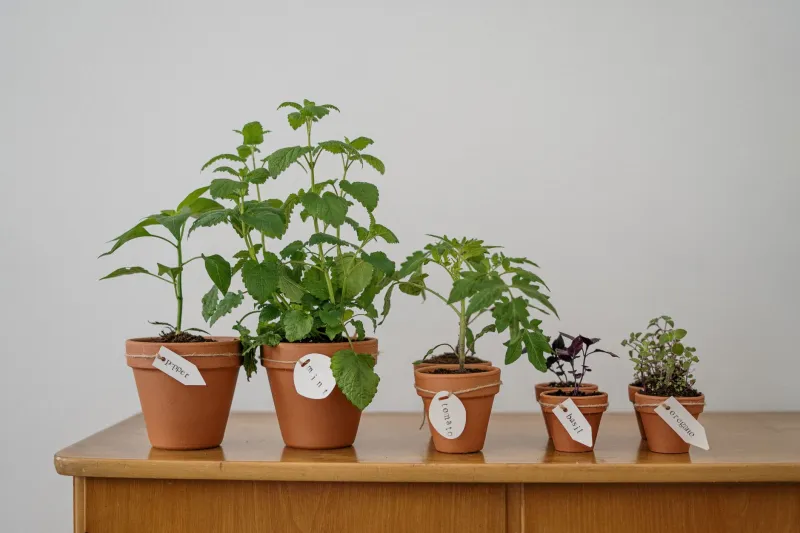
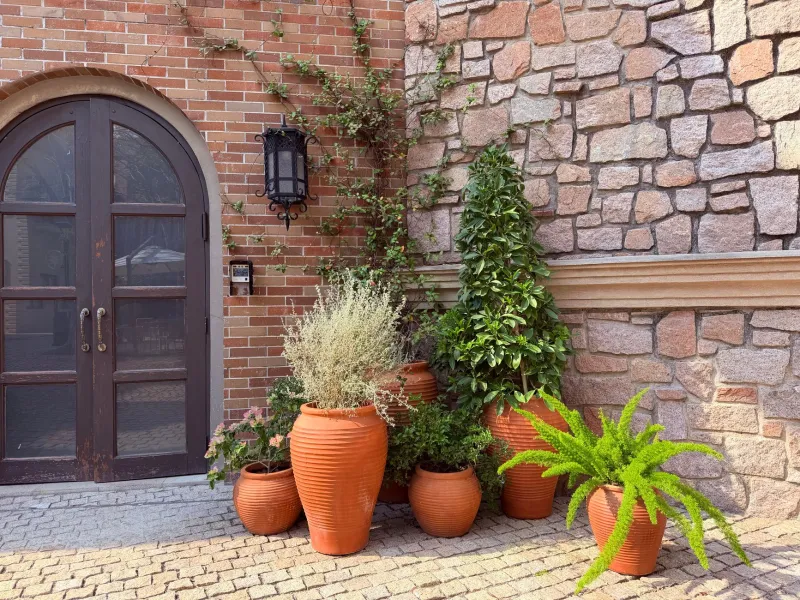
Back door or patio access is the gold standard. If you can step out of your kitchen door and be within arm's reach of your herb pots, you'll harvest constantly — a sprig here, a few leaves there — rather than treating it like a separate gardening activity. A simple grouping of three to five pots right outside a back door can cover your everyday culinary herb needs: basil, flat-leaf parsley, chives, thyme, and maybe a compact rosemary.
Windowsill and countertop pots bring the garden even closer. A sunny south- or west-facing windowsill can support small pots of herbs like basil, mint, or Vietnamese coriander year-round. The key is choosing compact varieties — there are dwarf basil cultivars that stay tidy and productive in a four-inch pot — and making sure your window gets at least six hours of direct light daily.
Balcony and fire escape setups work beautifully for apartment dwellers. A tiered plant stand or a simple railing planter can hold a surprising number of pots. Prioritize what you actually cook with. If you make a lot of Thai food, grow Thai basil and bird's eye chili peppers. If you're always reaching for fresh salsa ingredients, a pot of jalapeños and a pot of cilantro make more sense than a pot of lavender.
Think of your container garden as an extension of your pantry. The closer it is to where you cook, the more naturally it becomes part of how you cook.
Meals That Happen Differently When You Grow Your Own
Container gardeners often describe a shift in their meal planning once their pots start producing. Instead of planning meals first and then shopping for ingredients, they start looking at what's ready to harvest and building meals around that.
That's actually how a lot of great home cooking works. You walk out, see that your shishito peppers are loaded, and suddenly dinner is blistered shishitos with sea salt, a fried egg, and rice — a meal you never would have made if you'd been staring at a grocery store shelf.
Fresh herbs in particular have a way of elevating simple food. A pot of growing chervil — underrated and almost impossible to find fresh at most US grocery stores — can transform a basic potato soup into something that tastes like it came from a French bistro. A container of lemon verbena opens up a whole world of herbal teas, dessert sauces, and cocktail garnishes that most people never explore because the ingredient just isn't available to them.
Growing your own also encourages you to use whole plants more fully. You start using herb stems in stocks. You add nasturtium leaves (yes, they're edible and peppery) to salads because they're growing right there in a pot on your deck. You discover that carrot tops make a decent pesto when you're growing carrots in a deep container and you have a surplus.
Starting a Kitchen-Forward Container Garden
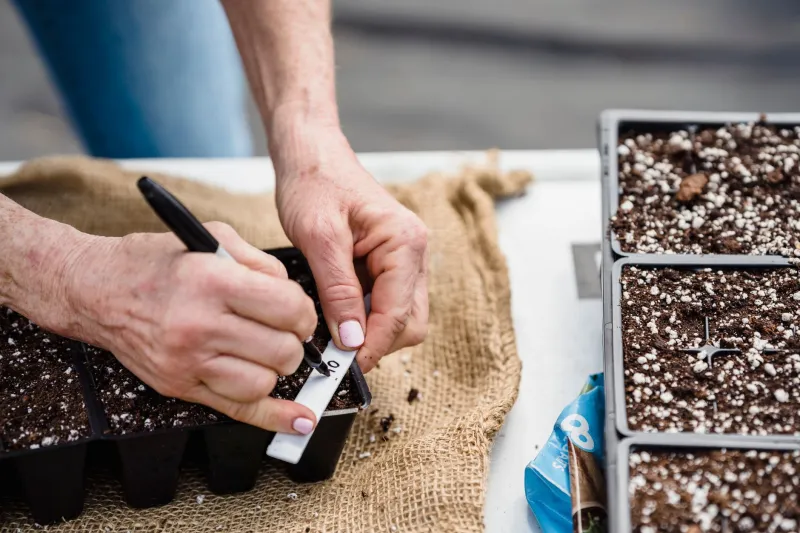
If you're new to this, start with what you actually cook. Pull out three or four of your most-used recipes and make a list of the fresh ingredients they call for. That list is your seed shopping list.
For most American home cooks, that means some combination of basil, parsley, cilantro, chives, thyme, oregano, and maybe a hot pepper or two. These are all excellent container candidates. They don't need enormous pots, they don't need a ton of fussing, and they deliver returns fast — most herbs are harvestable within four to eight weeks of starting from seed.
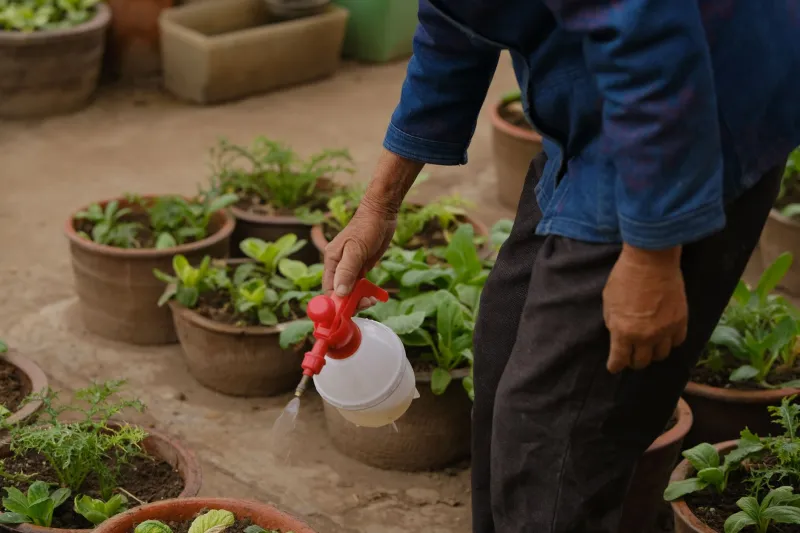
Choose pots with drainage holes, use a quality potting mix rather than garden soil, and place them where they'll get enough sun. Beyond that, the learning curve is gentle. You'll make adjustments as you go — maybe your cilantro bolts too fast in the summer heat and you move it to a shadier spot, or you realize you go through so much basil that you need three pots instead of one.
The cooking part figures itself out. Once you have genuinely fresh ingredients within arm's reach, the inspiration tends to follow.
The Bigger Picture
Growing even a small container garden changes your relationship with food in a way that's hard to fully explain until you've experienced it. You become more curious about ingredients. You waste less. You cook more. You eat better.
It's not about being self-sufficient or growing all your own food — that's a different project entirely. It's about closing the gap between the garden and the plate, even just a little. A few pots, a handful of seeds, and a kitchen door that opens onto something green and growing. That's really all it takes to start cooking differently.