Pots, Seeds, and Smart Spending: Grow Gourmet Veggies for a Fraction of What You'd Pay at the Store
Let's be honest — the produce aisle has gotten brutal. Heirloom cherry tomatoes hovering around $5 a pint, fresh basil wilting in a plastic clamshell for $3.99, and don't even get started on specialty peppers or microgreens. If you've been eyeing those prices and wondering whether growing your own food could actually save you money, the answer is yes — and probably by more than you'd expect.
Container gardening has a reputation for being a hobby for people with disposable income. Fancy glazed pots, designer seed packets, custom potting mixes — it can look expensive from the outside. But strip away the Instagram aesthetic and what you've really got is dirt, seeds, sunlight, and water. None of those things have to cost much at all.
Here's how to build a genuinely productive edible container garden without draining your wallet.
Rethink What Counts as a "Pot"
The single biggest cost in container gardening is usually the containers themselves. A 10-gallon fabric grow bag from a garden center can run $8–$15 each. Decorative terra cotta? Even more. But your vegetables don't care what they're growing in — they care about drainage, volume, and airflow.
Some of the best budget containers aren't containers at all, at least not in the traditional sense:
- Five-gallon food-grade buckets from restaurant supply stores or home improvement chains typically run $3–$5. Drill a few drainage holes in the bottom and you've got a perfectly functional home for tomatoes, peppers, or eggplant.
- Wooden crates and pallets (untreated only — avoid anything stamped with chemical treatment codes) make excellent raised planters for leafy greens and herbs.
- Colanders and old dish tubs from thrift stores are surprisingly well-suited for shallow-rooted plants like lettuce, radishes, and spinach. The built-in drainage is a bonus.
- Grow bags made from burlap or landscape fabric can be sewn together at home for next to nothing if you're handy with a staple gun.
Once you start looking at the world through the lens of "does this hold dirt and drain water," you'll find containers everywhere.
Choose Seeds, Not Starts
This is where the real money is saved. A single tomato seedling at a nursery can cost $4–$7. A packet of 25 tomato seeds? Often $2–$4, and if you choose heirloom varieties, you can save seeds from your harvest and grow for free next year and the year after that.
For container gardeners on a budget, seeds are almost always the smarter buy — especially once you factor in that many crops can be direct-sown right into your containers with zero transplant shock.
High-value crops to prioritize:
- Lettuce and salad greens: Cut-and-come-again varieties like 'Black Seeded Simpson' or 'Buttercrunch' keep producing for weeks. A single $2 packet can yield dozens of salads.
- Cherry tomatoes: Compact varieties like 'Tumbling Tom' or 'Tiny Tim' are bred specifically for containers and produce prolifically all season long. Compare what you'd spend on a summer's worth of store-bought cherry tomatoes — easily $40–$60 — against the $3 cost of a seed packet.
- Hot and sweet peppers: Peppers love containers, tolerate heat, and produce heavily. Specialty varieties like shishito or Padrón peppers fetch premium prices at farmers markets but cost almost nothing to grow.
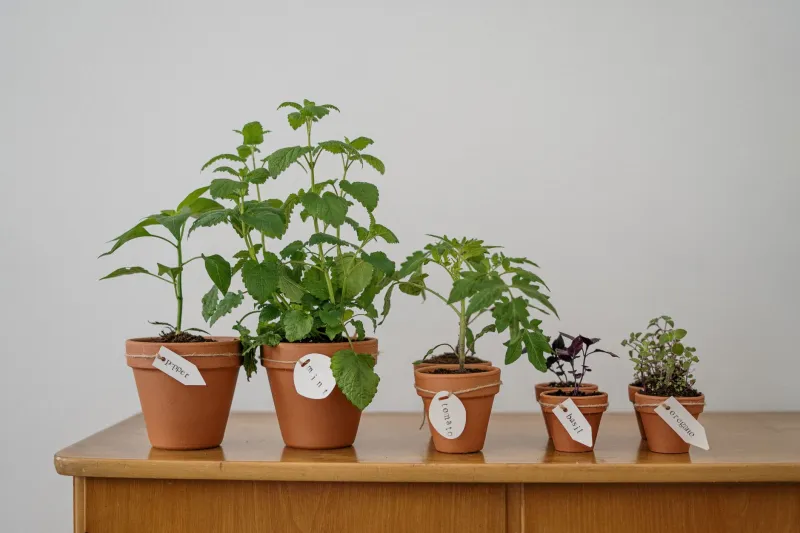
- Herbs: Basil, cilantro, parsley, and chives are among the most expensive herbs by weight at the grocery store and among the easiest to grow in small pots. A single healthy basil plant can replace dozens of those sad plastic grocery store bunches.
Stretch Your Soil Budget
Potting mix is a recurring cost that adds up fast, but there are ways to manage it. First, avoid buying bagged "garden soil" — it compacts in containers and doesn't drain well. You do need a quality potting mix, but you don't need to buy the premium brand.
Store brands at big-box garden centers often perform comparably to name-brand mixes at a lower price per cubic foot. Buying in bulk bags (2 cubic feet versus quart-sized bags) dramatically cuts your per-gallon cost.
You can also stretch your mix by adding homemade compost. Even a small countertop compost bin or a simple outdoor pile can generate enough amendment to enrich several containers each season. Coffee grounds, vegetable scraps, and dried leaves break down into a free soil amendment that improves drainage and feeds your plants.
Water Smarter, Not More
Container gardens do need more frequent watering than in-ground beds, but that doesn't mean your water bill has to spike. A few low-cost strategies make a real difference:
- Mulch the top of your containers with a thin layer of straw, shredded leaves, or even wood chips. This slows evaporation significantly, especially during hot summer months.
- Group your containers together. Plants transpire moisture into the air around them, and a cluster of pots creates a slightly more humid microclimate that reduces moisture loss.
- Bottom watering — setting pots in a shallow tray of water and letting the soil absorb from below — reduces surface evaporation and encourages deeper root growth.
A simple drip irrigation timer from a hardware store ($20–$30) can pay for itself quickly by preventing overwatering waste and protecting plants when you're away.
The Real Return on Investment
Let's run some rough numbers. A $20 investment — covering a five-gallon bucket, a bag of potting mix, and a few seed packets — can realistically produce:
- 10–15 pounds of cherry tomatoes over a full season
- Continuous lettuce harvests for 8–10 weeks
- Multiple flushes of fresh basil through summer
At current grocery prices, that's easily $50–$80 worth of produce, and that's being conservative. The return gets even better in year two, when you're saving seeds, reusing containers, and only replacing the potting mix.
Quality food gardening doesn't require expensive raised beds, elaborate irrigation systems, or designer planters. It requires seeds, something to grow them in, and a little bit of attention. That's always been the truth — and it's exactly why container gardening makes so much sense for anyone looking to eat better without spending more.