No Chemicals, No Problem: Keeping Pests Off Your Patio Vegetables the Organic Way
You've done everything right. You picked out quality seeds, found the perfect pot, and set your little container garden up in the sunniest corner of your balcony or patio. Then one morning you walk out with your coffee and notice your basil looks like it got attacked overnight — because it did.
Pests are relentless, but here's the thing: container gardening gives you a surprising number of tools to fight back without ever touching a bottle of synthetic pesticide. Your plants are portable, your growing space is contained, and you can monitor every single pot up close. That's a big deal. Let's talk about how to use those advantages.
Know Your Enemy: The Most Common Container Garden Pests
Before you can fight something, you need to recognize it. In container vegetable and herb gardens across the US, three culprits show up more than any others.
Aphids are tiny, soft-bodied insects — usually green, black, or white — that cluster on new growth and the undersides of leaves. They suck plant sap and excrete a sticky residue called honeydew that can lead to mold. They reproduce fast, so a small colony can explode in a week.
Spider mites are almost too small to see with the naked eye, but the damage they leave behind is unmistakable: fine webbing on stems and leaves, plus a dusty, stippled appearance on foliage. They thrive in hot, dry conditions, which makes sunny balconies and south-facing patios prime territory in summer.
Whiteflies look like tiny white moths and tend to cloud up in a swarm when you brush against an infected plant. Like aphids, they feed on plant sap and weaken your vegetables over time. They're especially common on tomatoes, peppers, and herbs like basil.
Prevention First: Your Best Offense Is a Good Defense
Organic pest management isn't just about responding to problems — it's about building an environment where problems are less likely to start.
Start with healthy soil. Pests target stressed plants, and stressed plants often come down to soil quality. Use a high-quality potting mix (not garden soil, which compacts in containers) with good drainage. A plant that's well-nourished and getting proper airflow is genuinely harder to infect.
Don't overcrowd your pots. It's tempting to squeeze in one more pepper plant, but tight spacing reduces airflow and creates the humid, sheltered conditions that pests love. Give each plant room to breathe.
Inspect regularly — and we mean really look. Flip leaves over. Check stems near the soil line. Run your fingers along new growth. Catching a five-aphid problem is infinitely easier than dealing with a five-hundred-aphid problem. Because your containers are right there on your patio or windowsill, you can do a quick check every time you water.
Isolate new plants. If you bring a new plant home from a nursery or receive a cutting from a friend, keep it separate from your existing containers for a week or two. Pests hitchhike easily, and quarantine is one of the smartest moves a container gardener can make.
Homemade Sprays That Actually Work
When prevention isn't enough, it's time to intervene — and your kitchen likely has everything you need.
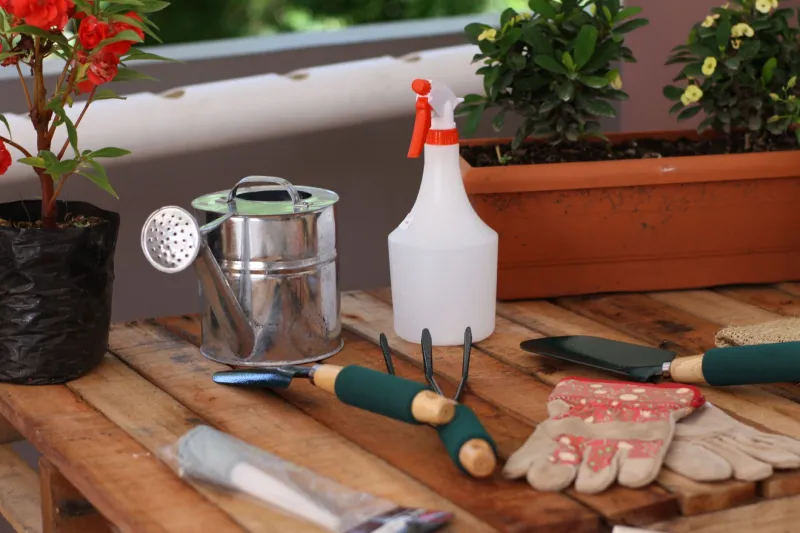
Insecticidal soap spray is the workhorse of organic pest control. Mix one to two teaspoons of pure liquid castile soap (like Dr. Bronner's, which you can find at most US grocery or health food stores) with a quart of water in a spray bottle. Coat the affected plant thoroughly, especially the undersides of leaves. The soap disrupts the outer membrane of soft-bodied insects like aphids and mites. Reapply every few days until the problem clears. Avoid spraying in direct, hot sun to prevent leaf burn.
Neem oil is another heavy hitter. Derived from the seeds of the neem tree, it works as both an insecticide and a fungicide. Mix one to two teaspoons of neem oil with a teaspoon of castile soap and a quart of warm water. Shake well before each use and spray in the early morning or evening. Neem is particularly effective against whiteflies and spider mites, and it disrupts the reproductive cycle of many insects so populations crash over time.
Garlic or hot pepper spray can deter soft-bodied insects as well. Blend a few cloves of garlic or a hot pepper with water, strain the solids completely, and spray the liquid on affected plants. It's not a silver bullet, but it adds another layer of deterrence.
Bring in the Good Guys
Beneficial insects are nature's pest control, and even container gardeners can recruit them — especially if your pots are on a patio or balcony with some outdoor exposure.
Ladybugs are voracious aphid predators. You can purchase them online or at garden centers across the US, but the more sustainable approach is to grow plants that attract them naturally. Dill, fennel, and cilantro are particularly good at drawing beneficial insects in.
Lacewings are less flashy than ladybugs but arguably more effective. Their larvae eat aphids, mites, and whitefly eggs with impressive efficiency. Planting flowering herbs nearby encourages them to stick around.
If your container garden is entirely indoors, beneficial insects aren't really an option — but the sprays above work just as well in that setting.
When to Step In (And When to Wait)
Not every pest sighting is a crisis. A few aphids on a robust tomato plant won't kill it, and spraying a plant unnecessarily can stress it or harm pollinators. A good rule of thumb: if you see isolated pest activity on a healthy plant, monitor it for a day or two before intervening. If the population is growing, spreading to other pots, or visibly damaging the plant, act immediately.
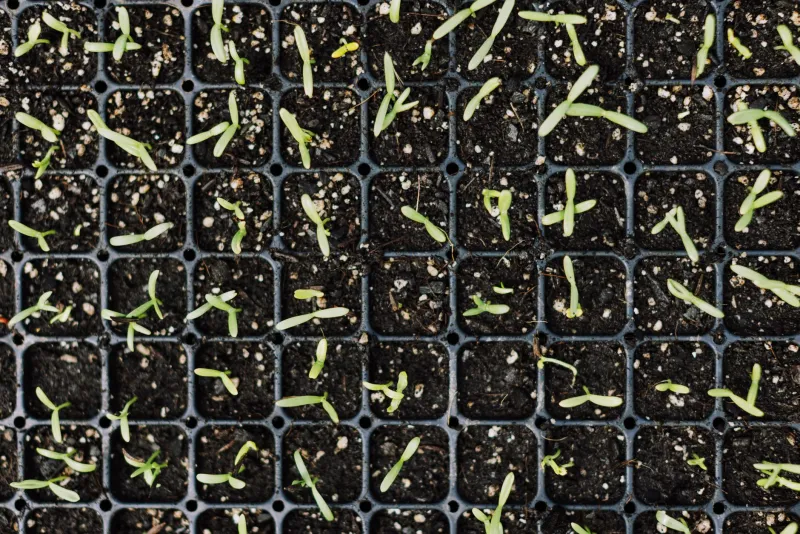
Also pay attention to which plants are affected. Herbs like basil and mint can tolerate a little pest pressure, but seedlings and young transplants are far more vulnerable. Prioritize protecting your most delicate plants first.
One More Advantage You Shouldn't Ignore
Here's something that field gardeners can't do: if one of your containers gets a severe infestation, you can physically move it away from your other pots to stop the spread. You can bring it indoors for treatment, place it in a shaded spot to slow mite activity, or rotate it to improve airflow. That kind of flexibility is genuinely powerful, and it's one of the underrated perks of growing in containers.
Growing clean, organic vegetables in small spaces isn't about having a perfect pest-free garden — it's about staying observant, responding quickly, and working with nature rather than against it. With a spray bottle, a little neem oil, and some well-chosen companion plants, you've got everything you need.