Why Home Gardeners Are Ditching Grocery Store Tomatoes and Growing Their Own Heirlooms
Pick up a tomato at most American grocery stores and you already know what you're getting. It's round, uniformly red, and structurally engineered to survive a cross-country truck ride without bruising. What it probably isn't, if you're being honest, is particularly delicious. The flesh is watery, the flavor is vague, and the whole experience is a pale shadow of what a tomato is actually capable of tasting like.
A growing number of home gardeners have decided they're done settling. Across the country — in suburban backyards, on urban rooftops, and in pots on apartment balconies — people are seeking out heirloom and specialty tomato varieties with names like Brandywine, Cherokee Purple, and Green Zebra. They're trading the predictable for the extraordinary, and many of them are also learning to save their own seeds, preserving genetics that in some cases trace back generations.
This isn't a niche hobby anymore. It's a movement.
What Makes a Tomato "Heirloom" Anyway?
The term gets thrown around a lot, but it has a fairly specific meaning in gardening circles. Heirloom tomatoes are open-pollinated varieties — meaning they're pollinated naturally, by wind or insects, rather than through controlled cross-breeding — that have been passed down through families or communities for at least 50 years, though many are far older than that.
Unlike modern commercial hybrids (labeled F1 on seed packets), heirlooms breed true. Save the seeds from a Mortgage Lifter tomato this year, plant them next spring, and you'll get Mortgage Lifters again. That predictable genetic stability is exactly what makes seed saving possible — and it's a big part of why heirloom enthusiasts get so passionate about preserving specific varieties.
Commercial hybrid tomatoes, by contrast, are bred for traits that benefit large-scale agriculture: uniform sizing, thick skin for shipping, and a long shelf life. Flavor is, at best, a secondary consideration. The result is a tomato optimized for logistics, not lunch.
The Flavor Gap Is Real
Ask anyone who's grown their own tomatoes what the biggest revelation was, and you'll almost always get a version of the same answer: "I didn't know tomatoes could actually taste like that."
It's not hyperbole. The flavor difference between a vine-ripened heirloom and a supermarket tomato is significant enough that it genuinely changes how people cook. Heirlooms tend to have higher sugar-acid balance, more complex aromatic compounds, and a depth of flavor that holds up whether you're eating them raw, roasting them, or reducing them into sauce.
Varieties like Brandywine — a large, pink-fleshed Pennsylvania heirloom with roots going back to the late 1800s — are consistently cited by gardeners as flavor benchmarks. Sun Gold, a cherry tomato variety that's technically a hybrid but beloved by the heirloom community for its intensely sweet, almost tropical flavor, regularly shows up on "best tomato I've ever eaten" lists. Cherokee Purple, with its smoky, complex flavor and striking dusky-rose color, has developed something close to a cult following.
Seed Savers: Keeping Genetics Alive
Mariela Castillo, a home gardener in Austin, Texas, started growing heirloom tomatoes six years ago after a neighbor handed her a few seeds saved from a variety called Zapotec Pleated — a deeply ribbed, bright red tomato with origins in Oaxaca, Mexico.
"I didn't even know what I was planting at first," she says. "But when those tomatoes came in, I was completely hooked. The flavor was incredible, and there was something meaningful about growing a variety with that kind of history."
Now Castillo saves seeds from eight or nine varieties each season, carefully labeling and storing them in small paper envelopes in her refrigerator. She's part of a loose network of Austin-area seed savers who trade varieties at local swap events and through online communities. "Once you start saving seeds, you start thinking differently about plants," she says. "You're not just growing food. You're maintaining something."
This sense of stewardship is common among seed savers. Organizations like the Seed Savers Exchange, based in Decorah, Iowa, have spent decades documenting and preserving heirloom varieties — including thousands of tomato cultivars — that would otherwise disappear entirely. Their work has helped bring varieties like Mortgage Lifter back from the edge of obscurity and into home gardens across the country.
The Genetic Diversity Argument
Beyond flavor and personal connection, there's a broader case for heirloom tomatoes rooted in agricultural science. Modern commercial agriculture relies heavily on a narrow range of crop genetics — a practical necessity for industrial-scale farming, but a long-term vulnerability. When diseases or pests evolve to attack a widely planted variety, the damage can be catastrophic.
Heirloom varieties represent a vast reservoir of genetic diversity, including traits like disease resistance, drought tolerance, and adaptability to specific regional climates that have been quietly selected for over centuries of cultivation. Seed savers who maintain these varieties aren't just preserving flavor — they're preserving options.
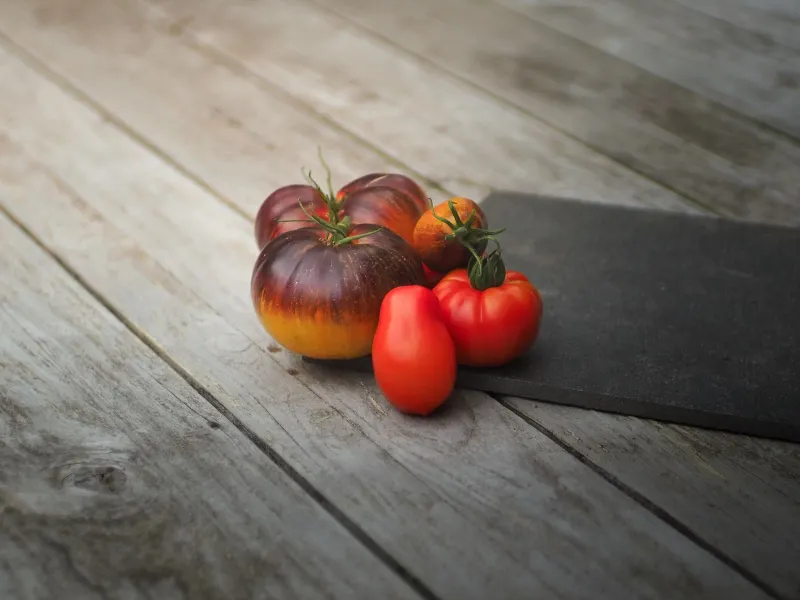
For home gardeners, this diversity shows up in the remarkable range of heirloom tomatoes available: from tiny, sweet currant tomatoes the size of marbles to massive, deeply lobed slicing tomatoes that can weigh over a pound. Colors range from the deep purple-black of Indigo Rose to the bright yellow of Lemon Boy to the vivid striped skin of Tigerella. There's an heirloom tomato for virtually every taste, climate, and growing situation.
Great Heirloom Varieties for Beginners (Including Container Growers)
If you're new to heirloom tomatoes, the variety selection can feel overwhelming. Here are a few reliable starting points:
Tumbling Tom (Red or Yellow): Specifically bred for containers, this compact determinate variety produces clusters of cherry-sized tomatoes on trailing stems that look great spilling over a pot's edge. Excellent flavor for a container variety and very forgiving for beginners.
Sun Gold: Technically a hybrid, but widely grown alongside heirlooms for its extraordinary sweetness. Produces abundantly and does well in large containers (at least 5 gallons).
Brandywine: The gold standard for flavor among large slicing tomatoes. Needs space — a minimum 10-gallon container or a garden bed — but the payoff is worth it. Expect a longer time to maturity (around 80 days), so start seeds indoors 6 to 8 weeks before your last frost date.
Cherokee Purple: A mid-sized slicing tomato with complex, smoky-sweet flavor and a gorgeous deep rose color. More compact than Brandywine and a solid choice for large pots or raised beds.
Principe Borghese: An Italian drying tomato with small, meaty fruits and very low moisture content — ideal for slow-roasting or making sun-dried tomatoes at home. Compact plants that do well in containers.
Starting Your Own Heirloom Journey
The best entry point into heirloom tomatoes is simply planting one. Pick a variety that interests you — whether that's based on flavor profile, color, or the story behind it — start your seeds indoors about 6 to 8 weeks before your last frost date, and see what happens. Save a few seeds at the end of the season from your best fruits, and you'll have the foundation of your own seed collection.
At All Pot Seeds, we carry a curated selection of heirloom and open-pollinated tomato seeds, including container-optimized varieties for urban growers who are working with pots instead of beds. Because whether you've got a full garden or just a sunny spot on a fire escape, you deserve a tomato that actually tastes like one.