Sow Smart: A Season-by-Season Seed Starting Calendar for Container Gardeners
There's something almost magical about dropping a dry, papery seed into a pot of soil and watching it eventually become food. But timing? Timing is everything. Start too early and your seedlings get leggy and stressed before they can go outside. Start too late and you've lost weeks of growing season you can't get back.
The good news is that seed starting for container gardens follows a pretty logical rhythm once you understand a few key principles. Let's walk through it season by season.
The Core Concept: Indoor Sowing vs. Direct Sowing
First, a quick clarification on the two main approaches.
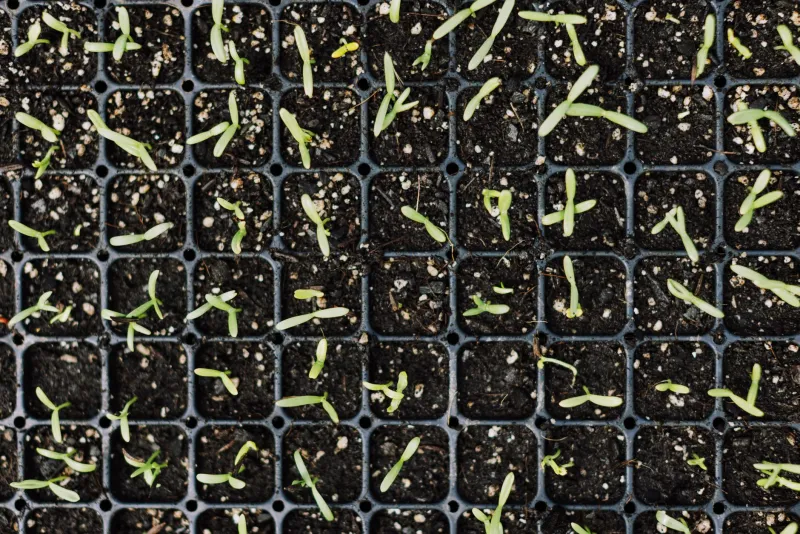
Starting seeds indoors means sowing into small pots or seed trays inside your home, under grow lights or near a bright window, weeks before outdoor conditions are suitable. This gives slow-maturing crops a head start and protects delicate seedlings from late frosts.
Direct sowing means putting seeds straight into their final container — or a larger outdoor pot — outside or in a sheltered space like a covered patio. This works best for crops that don't transplant well, grow quickly, or prefer cooler conditions.
For container gardeners specifically, the line between these two methods is a bit blurry. Your containers are moveable, which means a pot you direct sow in March can live on a covered porch until frost risk passes, then move to a sunnier spot as weather warms. Keep that flexibility in mind as you plan.
The Soil Mix Question (Get This Right First)
Before we get into timing, let's talk about what you're sowing into — because it matters more than most beginners realize.
For seed starting indoors, use a dedicated seed-starting mix, not standard potting soil. Seed-starting mixes are finer, lighter, and designed to hold just the right amount of moisture without waterlogging fragile roots. Brands like Espoma Seed Starter and Jiffy are widely available at Home Depot, Lowe's, and most garden centers across the US.
Once seedlings are ready to move into larger containers for outdoor growing, switch to a quality potting mix — something with good drainage and ideally some slow-release fertilizer built in. Never use straight garden soil in containers; it compacts and suffocates roots.
Month-by-Month Seed Starting Guide
January – February: The Early Movers
For most of the US (excluding the deep South and Southern California), January and February feel too early to think about gardening. But if you want peppers and eggplant ready to go outside after your last frost date, now is the time to start them indoors.
Both crops are notoriously slow to germinate and need a long growing season. Sow into small seed-starting pots, keep soil temperature between 75–85°F (a seedling heat mat makes a huge difference here), and place under grow lights for 14–16 hours a day. Don't expect to see sprouts for 10–21 days — peppers in particular take their time.
If you're in USDA Zones 9–11 (Southern California, South Texas, South Florida): You can direct sow cool-season crops like lettuce, spinach, and radishes directly into outdoor containers right now.
March: Tomatoes, Herbs, and Cool-Season Direct Sowing
March is the busiest seed-starting month for most US gardeners.
Start indoors: Tomatoes (6–8 weeks before your last frost date), basil, and annual flowers for companion planting. Tomatoes germinate in 5–10 days with warm soil and are much more forgiving than peppers.
Direct sow outdoors (in containers): If you're in Zone 6 or warmer and your nights are staying above 40°F consistently, lettuce, spinach, arugula, kale, cilantro, and peas can go directly into outdoor pots. These cool-season crops actually prefer chilly temperatures and can handle a light frost.
For the northern US (Zones 4–5), hold off on outdoor direct sowing until April.
April: The Transition Month
April is when things start moving fast. Tomato and pepper seedlings started in February and March are growing steadily indoors, and it's time to think about hardening them off — the process of gradually introducing indoor-grown seedlings to outdoor conditions.
Hardening off is simple but important. Start by setting your seedling pots outside in a sheltered, partially shaded spot for just an hour or two on a mild day. Over 7–10 days, gradually increase their outdoor time and sun exposure. Skipping this step shocks plants and sets them back significantly.
Direct sow outdoors in April: Zones 6–8 can now direct sow beets, carrots (in deep containers), chard, and more cool-season greens. Zones 9–11 can start warm-season crops like cucumber and squash directly in containers.
May: Peak Planting Season
For most of the continental US, May is when the real action happens. Last frost dates for the majority of Zone 5–7 gardens fall somewhere between late April and mid-May, which means it's finally safe to move tomatoes, peppers, and basil outside into their permanent containers.
Direct sow in May: Beans, cucumbers, summer squash, and zucchini all prefer to be sown directly where they'll grow rather than transplanted. These are fast germinators — most will sprout within a week in warm soil — and they don't love having their roots disturbed.
Northern gardeners (Zones 4–5): May is your March. Start tomatoes and peppers indoors now and plan to transplant in June.
June – July: Succession Sowing and Heat-Lovers
Don't stop sowing just because spring planting is done. June and July are great for succession sowing — starting new rounds of fast-maturing crops like lettuce and radishes so you have a continuous harvest rather than a single glut.
In July, you can also start a second round of tomatoes from seed in warmer climates for a fall harvest, and get cool-season crops going indoors in preparation for fall container gardening.
August – September: The Fall Garden Setup
Fall container gardening is underutilized by most home gardeners, and it's a shame — the cooler temperatures of late summer and fall are ideal for many crops.
In August, start kale, broccoli, and Brussels sprouts indoors (yes, even in containers — dwarf broccoli varieties work beautifully in large pots). In September, direct sow spinach, arugula, and lettuce directly into outdoor containers for harvests that can stretch well into November in many parts of the country.
Troubleshooting Common Germination Problems
Seeds not sprouting: The most common culprit is soil temperature, not age. Most vegetable seeds want soil temps between 65–85°F to germinate. A cheap soil thermometer (under $10 at most garden centers) takes the guesswork out.
Seedlings flopping over (damping off): This fungal problem is caused by overwatering and poor airflow. Water seedlings from the bottom by setting pots in a tray of water rather than pouring over the top, and run a small fan nearby to keep air moving.
Leggy, stretched seedlings: Not enough light. Move seedlings closer to your grow light (2–3 inches from the bulb for most setups) or to your brightest window, and rotate pots regularly.
Germination is uneven: Some seeds in a tray are up, others aren't. This usually means inconsistent moisture or temperature across the tray. Check that your heat mat is working evenly and that your seed-starting mix didn't dry out at the edges.
The Container Gardener's Secret Weapon
Here's a timing advantage that in-ground gardeners simply don't have: you can extend your season in both directions by moving containers. A pot of lettuce started in early March can live on a covered porch through late frosts. A pot of basil threatened by an early September cold snap can spend a night indoors. That flexibility changes what's possible on your growing calendar, and it's worth building into your planning from the start.
Seed starting is a skill that gets easier every year. Keep notes on what you sowed, when, and how it turned out — your own records are ultimately more valuable than any generic calendar, because they'll be tuned to your specific space, your specific climate, and the specific varieties you love to grow.