Stop Throwing That Away: How Kitchen Scraps Become a Living Container Garden
Most of us have been there — you slice the base off a bunch of green onions, toss the roots in the trash, and move on. But what if that scrap was actually the beginning of your next harvest? Regrowing vegetables from kitchen leftovers is nothing new, but it's having a serious moment among home gardeners who want fresh food without constantly reaching for the seed packet.
The best part? You don't need a backyard, a raised bed, or even much counter space. A few small pots, some potting mix, and the scraps you're already generating in your kitchen are all it takes to get started. Think of it as a low-stakes entry point into container gardening — one that costs almost nothing and pays off every single week.
Why Scraps and Pots Are a Natural Match
Container gardening has always been about working with what you have. Small spaces, limited soil, a sunny windowsill — none of that stops a determined home grower. Regrowing kitchen scraps fits right into that same mindset. You're not waiting on seed germination timelines or fussing over grow lights. Many of these plants are already partially developed, which means they bounce back fast and reward you quickly.
This approach also pairs beautifully with traditional seed starting. While you're waiting for your tomato seedlings to mature or your basil seeds to sprout, a pot of regrown green onions or a celery stub sitting on your kitchen windowsill is already producing. It's the ultimate bridge crop.
The Vegetables That Regrow Like Champions
Not every scrap is worth saving, but a handful of common culinary staples are genuinely excellent candidates for container regrowing. Here's where to focus your efforts:
Green Onions (Scallions)
This is the one everyone should start with, full stop. When you use green onions in a recipe, leave about an inch of the white root end intact. Drop those little stubs root-side down into a glass of water, or nestle them into a small pot filled with damp potting mix. Within a week — sometimes less — you'll see new green growth shooting up. Harvest the tops as needed and they'll keep pushing out new growth for weeks. In potting mix, they tend to last even longer and stay more flavorful than the water method.
Celery
Cut celery stalks down to use in your cooking, but save that flat base. Place it cut-side up in a shallow dish with about an inch of water, and set it somewhere with decent light. In just a few days, tiny pale leaves will emerge from the center. Once those leaves are an inch or two tall, transplant the whole base into a pot with good potting mix. You won't regrow a full grocery-store bunch, but you'll get a steady supply of tender inner stalks and leaves — perfect for soups, stocks, and seasoning.
Lettuce and Other Leafy Greens
Romaine, butter lettuce, and even bok choy will regrow from their base stumps using the same water method as celery. The regrowth is more compact than a full head, but the leaves are tender and flavorful. Once roots develop (usually within a week), transplant into a pot. Keep it in a bright spot and harvest outer leaves as they grow. This works especially well through winter months when you want something green growing indoors without committing to a full seed-starting setup.
Garlic
A single clove of garlic that's starting to sprout green in your pantry? Don't throw it out — pot it. Plant the clove about an inch deep in a small container with the pointed end up. Water lightly and set it in a sunny window. You may not grow a full bulb indoors (garlic needs a long season and cold exposure for that), but the green shoots that emerge — called garlic greens or garlic sprouts — are genuinely delicious. Think of them like a milder, garlicky version of chives. Snip them into scrambled eggs, pasta, or salads.
Ginger and Turmeric
If you cook a lot of Asian or Indian-inspired food, you probably keep fresh ginger or turmeric root around. Any piece with a visible bud or eye can be potted up in a deep container with rich, well-draining soil. These are slower growers, but they're rewarding — and the plants themselves are genuinely beautiful. Keep them warm, water consistently, and you'll eventually be able to harvest fresh rhizomes right from your pot.
Setting Up Your Scrap Garden: What You Actually Need
You don't need to overcomplicate this. Here's a simple setup that works:
- Small pots or containers: Four- to six-inch pots work well for green onions, lettuce, and garlic. Celery and ginger appreciate something a bit deeper — go for eight inches or more.
- Good potting mix: Don't use garden soil in containers. A standard potting mix with some perlite for drainage is ideal. The scraps are already partly developed, so they don't need anything fancy.
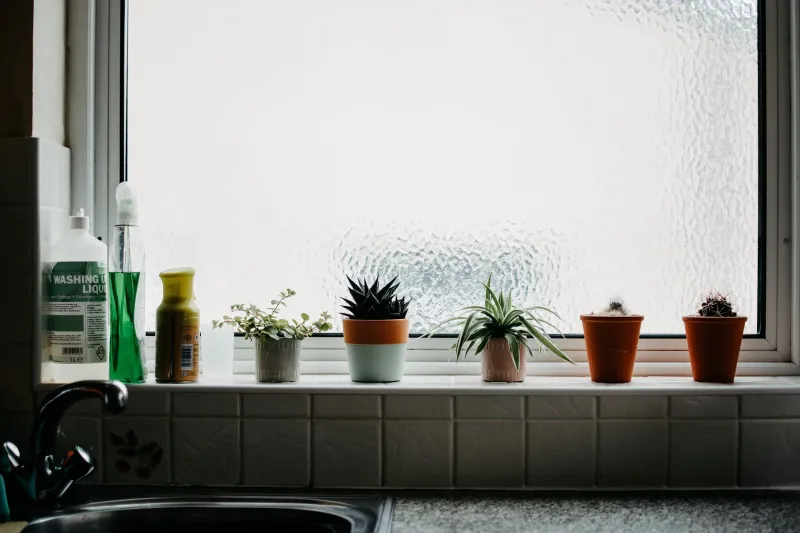
- A bright window: South- or west-facing windows are best for most of these plants. If your light is limited, a small grow light on a timer works great and won't run up your electric bill.
- Consistent watering: Scraps regrowing in pots need steady moisture, but not soggy soil. Check daily and water when the top inch feels dry.
That's genuinely it. No special equipment, no expensive amendments, no hardening-off schedules.
Making It Part of Your Regular Kitchen Routine
The shift in mindset is the biggest thing here. Instead of scraps going straight to the trash or compost bin, you start eyeing them differently. That celery bottom becomes a candidate. Those sad garlic cloves with green shoots get a pot instead of the garbage. You start keeping a small jar of water on the counter for green onion roots almost automatically.
Once you get into the rhythm, regrowing scraps becomes less of a project and more of a kitchen habit — one that quietly keeps fresh food cycling through your home without much effort at all. It complements everything else you might be doing in your container garden, from seed starting to succession planting, and fills in the gaps when you're between harvests.
And honestly? There's something deeply satisfying about pulling a handful of green onion tops for your morning eggs, knowing they came from something you almost threw away. That's the whole spirit of growing your own food, right there in miniature — turning the overlooked into something genuinely useful, one pot at a time.