Menus Built From the Balcony: How Container Harvests Are Rewriting the Way Cooks Think
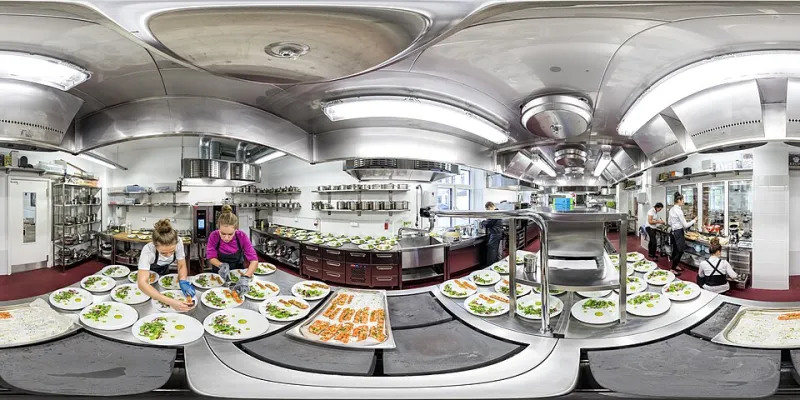
Photo: Lauri Veerde, CC BY-SA 4.0, via Wikimedia Commons
There's a moment that a lot of serious home cooks describe in almost identical terms. You're standing over the stove, you've got a handful of basil or a few cherry tomatoes you just clipped from the pot on your back steps, and you realize the recipe you were planning to make feels suddenly wrong. Not because anything went wrong — but because what you're holding smells so good, so concentrated, that you don't want to bury it in a sauce. You want to let it do something.
That shift in thinking — from the recipe leads to the harvest leads — is what a growing community of cooks across the country is calling the container-to-table approach. And it's changing not just what people cook, but how they think about flavor itself.
Why Container-Grown Produce Tastes Different in the First Place
Before getting into how cooks are changing their methods, it helps to understand why container-grown produce behaves differently in the kitchen at all.
When a plant grows in a pot, it's working within defined limits — limited root space, limited water retention, limited nutrient volume. That stress, managed well, tends to concentrate the compounds that create flavor. Essential oils in herbs become more intense. Sugars in tomatoes and peppers get denser. The cellular structure of leafy greens holds up differently under heat.
It's not magic. It's just biology responding to constraints. And those constraints produce something that store-bought produce, grown for volume and durability, rarely delivers: intensity.
That intensity is what cooks are starting to design around.
The Home Cook Who Stopped Following Recipes
Take the approach that a lot of experienced container gardeners fall into naturally after a few seasons. You stop buying herbs at the grocery store. You stop planning meals a week out. Instead, you walk outside, see what's at peak, and build from there.
This isn't a new concept in professional kitchens — farm-to-table cooking has been mainstream for years. But container-to-table has a different character. The scale is smaller. The variety is more personal. And because you're the one who grew it, you're paying attention in a way that's hard to replicate when you're shopping.
Chefs who've started integrating container gardening into their home cooking routines describe a similar evolution. They start growing a few pots of herbs to save money. Then they notice the flavor difference. Then they start thinking about what else they could grow, and what they'd do with it. Within a season or two, the garden is informing the menu rather than the other way around.
Designing Dishes Around What Thrives in Pots
Not every vegetable or herb performs equally well in containers, and the cooks who've leaned into this approach have figured out which plants give the most culinary return for the pot space.
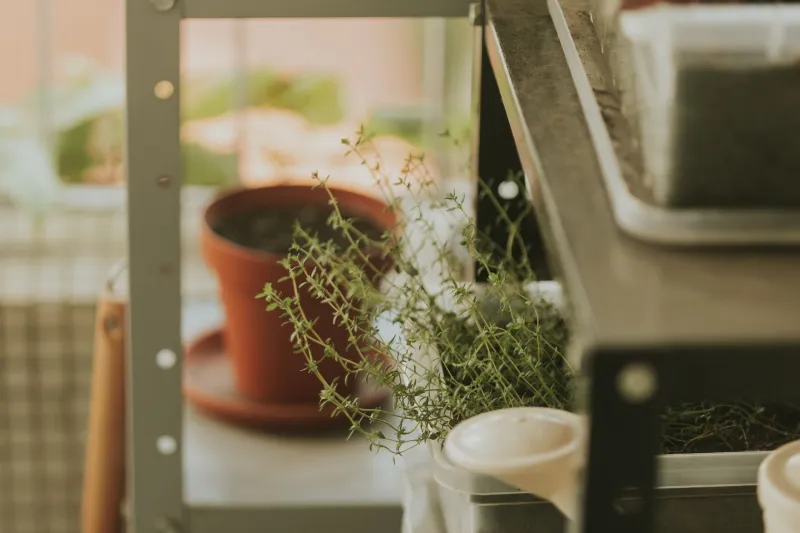
Herbs are the obvious starting point — basil, thyme, oregano, chives, and cilantro all do exceptionally well in containers and produce with an aromatic intensity that changes how you use them. Instead of adding a tablespoon of chopped basil to a dish, you might build a whole vinaigrette around six leaves. The ratio shifts because the flavor concentration is different.
Cherry tomatoes are another container staple that cooks have started treating as a primary ingredient rather than a garnish. Roasted slowly, they become something closer to a condiment — sweet, acidic, almost jammy. A container gardener who grows three or four varieties has a palette to work with.
Hot peppers, greens like arugula and mustard, and compact varieties of eggplant and zucchini round out what experienced container cooks call their "working pantry" — the plants they grow every season because they know exactly what to do with them.
Smaller Yields Force Better Technique
One thing that surprises cooks new to container gardening is how quickly they get better in the kitchen once they're working with smaller quantities of high-quality produce.
When you've got two pounds of supermarket tomatoes, you can afford to be a little careless. When you've got eight perfect cherry tomatoes from your patio pot, you think more carefully about what to do with them. That constraint builds skill. It forces you to think about how to extract maximum flavor from a small amount of ingredient — which, not coincidentally, is one of the fundamental skills of good cooking.
Professional cooks often describe this as the difference between cooking with abundance and cooking with intention. Container gardens, almost by definition, push you toward intention.
How to Start Cooking From Your Pots Instead of Your Grocery List
If you want to try this approach, the shift is simpler than it sounds.
Start by growing two or three things you actually cook with regularly. Not things you think you should grow — things you genuinely use. If you make pasta twice a week, grow basil and maybe a cherry tomato. If you cook a lot of eggs and grain bowls, grow chives and arugula.
Once you've got something growing, make a habit of checking your pots before you plan meals, not after. What's at peak today? What needs to be harvested before it bolts or goes bitter? Build your meal around that answer.
Keep a simple running list of what worked — both in the garden and in the kitchen. Which variety of tomato roasted better? Which herb held up to heat and which was better raw? That knowledge compounds fast, and within a season or two, you'll have a personal container-to-table system that's completely your own.
The Bigger Shift
What's interesting about this movement isn't really about technique or recipes. It's about the relationship between the person who grows food and the person who cooks it — and in the case of container gardening, those are usually the same person.
When you've watched something grow from a seed in a four-inch pot to a plant producing fruit on your apartment balcony, you pay attention to it differently. You taste it at different stages. You notice when it's peaking. And you bring that knowledge into the kitchen in a way that no amount of recipe-reading can replicate.
That's the real reason container gardening is changing how people cook. Not because the produce is automatically better — though it often is — but because the grower becomes a more attentive cook in the process.
Your pots are already teaching you something. The question is whether your kitchen is listening.