Grow More Together: How Swapping Pots and Seeds With Your Neighbors Transforms Every Container Garden on the Block
The Loneliest Garden Doesn't Have to Be Yours
There's something quietly isolating about container gardening. You haul your pots onto the patio, obsess over your potting mix, nurture your seedlings, and then troubleshoot every problem completely alone. If your basil bolts or your cherry tomatoes crack, you Google it. You guess. You maybe fix it, maybe don't.
But here's a thing that doesn't get talked about nearly enough: your neighbor three doors down probably has the same cracked tomatoes. And the woman on the corner has been growing a stunning Thai basil in a terracotta pot for four years and would absolutely tell you her secret if you asked.
Neighborhood container gardening networks — sometimes organized, sometimes just casual — are quietly changing the way home growers in places like Portland, Austin, Chicago, and Raleigh approach their pots. And the results are genuinely impressive.
Why Going Solo Has Real Limits
When you garden alone, you're working with a single data point: your own experience. You've got one patio, one microclimate, one set of pots, and one season's worth of trial and error. That's valuable, but it's narrow.
Microclimates are hyperlocal. The south-facing balcony on the second floor of your building behaves completely differently from the shaded courtyard two units over. What works brilliantly for one person can completely flop for another, even when they're using the same seeds from the same packet.
When you start trading information — and actual plants — with a handful of nearby gardeners, you suddenly have access to a much richer pool of observations. Someone on your block has already figured out which tomato variety handles your shared summer heat without blossom drop. Someone else has cracked the code on keeping mint contained and thriving in small pots. That knowledge doesn't cost anything. It just requires showing up.
What a Neighborhood Garden Network Actually Looks Like
These don't have to be formal. In fact, the most successful ones usually aren't.
In Denver, a group of apartment dwellers on one block started leaving labeled seedlings on their stoops each spring with a handwritten note: "Take one, leave one." What started as a casual gesture turned into a loose but surprisingly sophisticated swap system. By the third season, people were coordinating who would grow what so the whole block could trade at harvest time — one household growing a surplus of Shishito peppers, another focusing on salad greens, another specializing in culinary herbs.
In New Orleans, where the growing season is long but the humidity is brutal, a neighborhood Facebook group evolved into an in-person monthly gathering where container gardeners compared notes on mold, drainage, and which heirloom varieties could handle the wet summers. The group started sharing not just seeds but actual rooted cuttings — rosemary starts, sweet potato slips, lemon verbena divisions — plants that are expensive to buy but easy to propagate once someone in the group has a thriving specimen.
These examples aren't outliers. They're the natural result of what happens when people who share a geography start comparing notes.
The Practical Upside: Variety Access You Can't Buy
Seed catalogs are wonderful. But there's a specific category of plant material that doesn't show up in any catalog: the stuff that's been grown and selected specifically for your local conditions over multiple seasons.
When a neighbor has been saving seeds from the same Cherokee Purple tomato for six years in your exact zip code, those seeds carry something commercial packets don't. They've been through your summers. They've adapted, subtly, to your soil temperature, your water quality, your particular pest pressure. Planting them in your pots gives you a head start that money genuinely cannot buy.
This is one of the strongest arguments for connecting with local gardeners rather than just ordering everything fresh each spring. The plants that have proven themselves in your immediate neighborhood are often better performers than anything you could source from a distant supplier, no matter how reputable.
Trading Isn't Just About Plants — It's About Problem-Solving
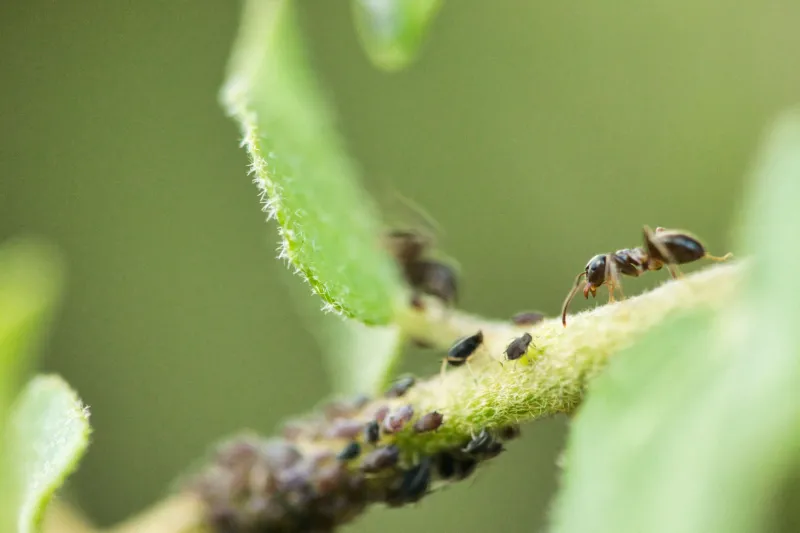
Every container gardener hits walls. The aphid infestation that won't quit. The mystery yellowing that no amount of fertilizer seems to fix. The herbs that thrive indoors all winter but immediately sulk when moved outside in May.
These problems are much easier to solve when you have a community to ask. And the answers you get from someone who gardens in the same conditions as you — same water source, same general climate, same regional pest populations — are almost always more useful than generic advice from the internet.
Beyond troubleshooting, there's a deeper psychological benefit that's worth naming. Container gardening can feel like a lot of effort for a modest reward, especially in the early seasons when you're still figuring things out. Doing it alongside other people changes that math. The shared excitement when someone's overwintered pepper plant produces its first spring fruit, the commiseration when everyone's lettuce bolts in the same heat wave — these experiences make the whole endeavor feel less like a solitary project and more like something worth investing in.
How to Start Your Own Swap Network (Without It Becoming a Job)
You don't need a committee, a budget, or a formal structure. Here's what actually works:
Start with one conversation. Tell a neighbor you're growing tomatoes in containers this year and ask if they're doing anything similar. That's it. One conversation plants the seed.
Offer something first. If you're starting seedlings, start a few extras. Leave them on your porch with a note. Give without expecting an immediate return. The reciprocity usually follows naturally.
Use existing platforms casually. Nextdoor, neighborhood Facebook groups, or even a simple group text work fine. You don't need a dedicated app or a fancy setup.
Focus on seeds and cuttings, not just mature plants. Seeds are easy to share in small envelopes. Cuttings from herbs like mint, lemon balm, and rosemary root quickly in a glass of water and make excellent trade items.
Keep a simple log of what you tried and what worked. Even a notes app entry at the end of each season becomes incredibly valuable to share with a neighbor who's just starting out.
The Harvest You Can't Grow Alone
There's a version of your container garden that exists beyond what any single patio can produce. It's built from the collective knowledge of everyone on your block who has ever tried to grow something in a pot — their failures, their accidental discoveries, their hard-won variety preferences.
Accessing that knowledge doesn't require anything complicated. It just requires being willing to knock on a door, leave a seedling on a stoop, or say yes when someone offers you a cutting of something you've never grown before.
Your best harvest might not come from a better seed or a fancier pot. It might come from a conversation with the person who's been quietly growing incredible food ten houses away.