Bugs Love Your Pots More Than Your Garden Beds — Here's Why
Here's something most container gardening guides skip right over: the bugs bothering your potted basil and your neighbor's in-ground basil are probably not the same bugs. Container gardens create their own little world — and that world has a very specific pest population that thrives in ways an open garden bed simply doesn't support.
If you've ever wondered why your patio tomatoes get hammered by aphids while the raised bed down the street seems fine, or why fungus gnats seem to move into your pots every single fall, you're not imagining things. The way containers hold water, trap heat, and sit isolated from the surrounding soil ecosystem makes them genuinely different territory for insects. And once you understand that, you can start making smarter choices — starting with the seeds you plant.
Your Pot Is a Pest Magnet in Ways You Haven't Considered
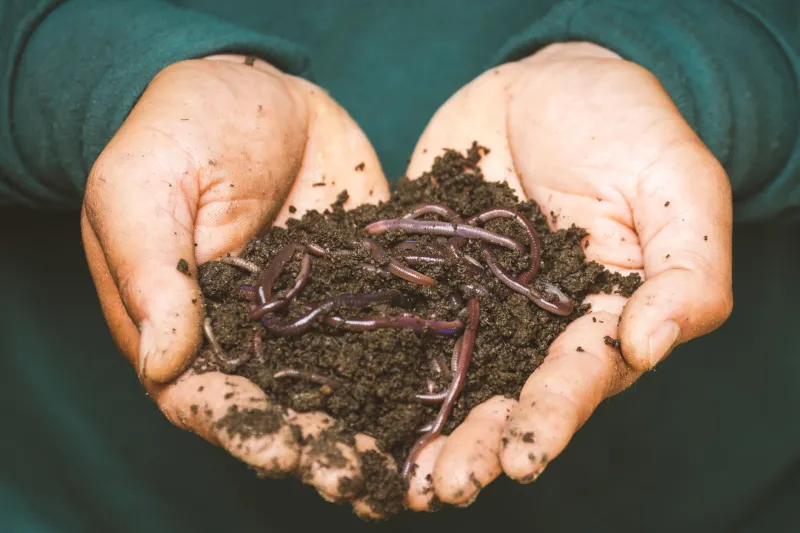
Let's start with moisture, because that's where a lot of this begins. Container soil tends to stay wetter near the bottom and drier near the top, which creates a layered microclimate that certain pests absolutely love. Fungus gnats, for example, are drawn to that damp, organic-rich zone just below the surface. They lay eggs in moist potting mix, and their larvae feed on root hairs — which means by the time you notice the adults hovering around your plants, there's already a generation underground doing damage.
In-ground beds drain more evenly and connect to a broader soil structure. Containers don't have that luxury. Every watering event is a contained event, and that consistency of moisture — especially if you're using saucers — creates conditions that certain insects have learned to exploit.
Then there's heat. Dark-colored pots sitting on a concrete patio can get shockingly hot on the outside walls, sometimes hitting temperatures that stress roots and alter the chemistry of the plant itself. Stressed plants emit different volatile compounds than healthy ones, and some insects — particularly soft-bodied ones like aphids and spider mites — can actually detect that stress and preferentially target those plants. Your pot, in a weird way, can be advertising weakness.
The Isolation Problem
In-ground gardens benefit from something container gardeners often don't think about: biodiversity in the soil itself. Ground beds are connected to a living network of predatory insects, beneficial nematodes, and microorganisms that help keep pest populations in check. A container is an island. Whatever you put in that potting mix is mostly what you've got.
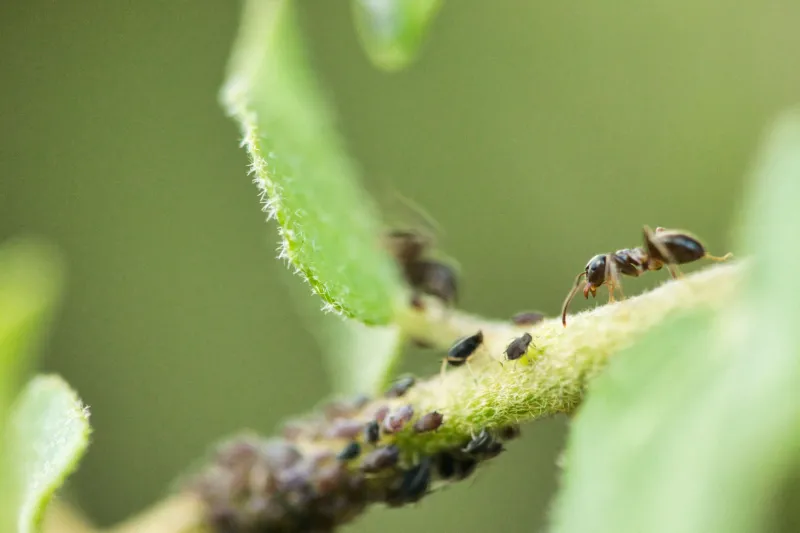
That isolation works in a few frustrating ways. Beneficial predators — ground beetles, certain wasps, lacewing larvae — often don't make it up to a second-floor balcony or even a raised deck. But aphids? Whiteflies? Spider mites? They travel on wind, on clothing, on the plants you bring home from the nursery. They find your pots just fine.
The result is that container gardens tend to see faster pest escalation. Without natural predators nearby to knock populations back, a small aphid colony can double in days. This is especially true in urban and suburban settings where the surrounding landscape is mostly hardscape rather than diverse plantings.
Saucers, Shelters, and Hiding Spots
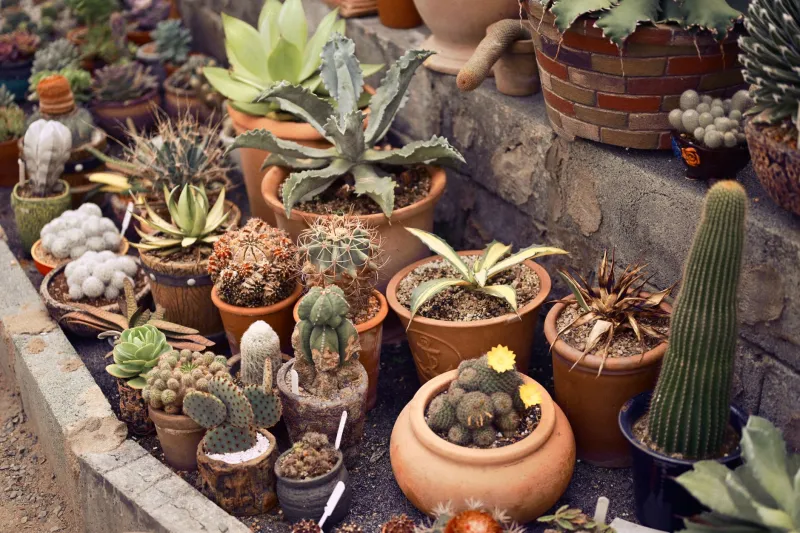
Container setups also create physical pest habitat that open beds don't. The gap between a pot and its saucer? That's prime real estate for pill bugs, earwigs, and slugs. The underside of a wide container rim? Spider mites and scale insects love that sheltered microclimate. If you've got several pots clustered together — which most of us do because it looks great and helps with humidity — you've basically built a pest apartment complex with excellent cross-property access.
None of this means container gardening is a bad idea. It just means the pest strategy has to be a little different.
Seed Selection as Your First Line of Defense
Here's where things get genuinely interesting, and where a lot of container gardeners leave real value on the table. Pest resistance isn't just a trait for commercial farmers to think about — it matters enormously in a small-scale container setup where a single infestation can wipe out your entire harvest.
Many heirloom and open-pollinated varieties carry natural resistance traits that modern hybrid varieties bred for yield or shelf life have lost. A few worth knowing:
Tomatoes: Look for varieties noted for resistance to spider mites and aphids, which tend to spike in hot, dry container conditions. Some older varieties like 'Brandywine' have thicker leaf cuticles that make them harder for soft-bodied insects to pierce. Varieties with dense, fuzzy foliage (called trichomes) physically deter aphids and whiteflies — 'Bloody Butcher' is a good example.
Basil: Purple basil varieties tend to attract fewer aphids than green-leafed types. The anthocyanins that give them their color may play a role, though the exact mechanism isn't fully understood. Either way, it's a pattern experienced container growers notice.
Peppers: Hot peppers in general are less attractive to many chewing insects — capsaicin isn't just hot for humans. If you're growing in a space where caterpillar damage is common, leaning into spicier varieties can be a passive deterrent.
Lettuce and greens: Loose-leaf varieties tend to recover better from aphid pressure than head-forming types, simply because you're harvesting continuously and removing affected leaves as you go. Look for varieties described as 'slow-bolting' — plants under less heat stress are less chemically attractive to insects.
Practical Adjustments That Actually Help
Beyond seed selection, a few container-specific habits can shift the pest dynamic significantly:
Elevate your pots. Getting containers off the ground — even a few inches — reduces access for crawling pests and eliminates the saucer-gap shelter problem. Pot feet are cheap and genuinely useful.
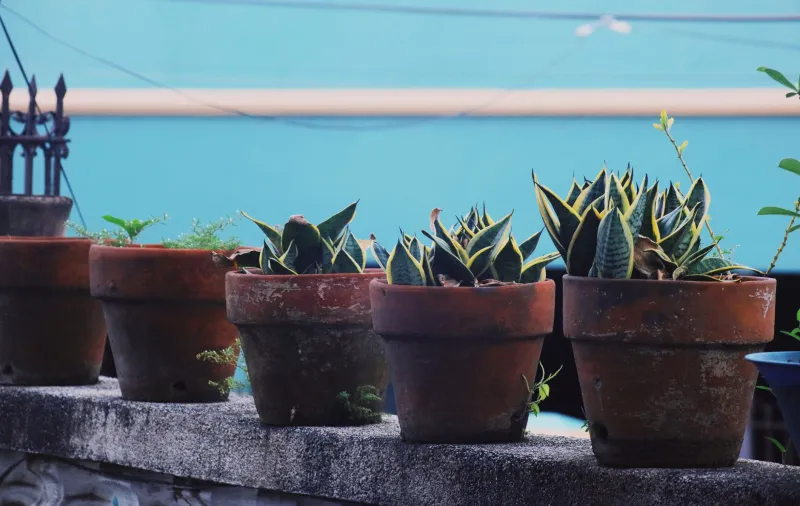
Go lighter on the pot color. Light-colored or terracotta containers run cooler than black plastic, which means less heat stress on your plants and fewer distress signals going out to the insect world.
Water in the morning. Evening watering leaves your potting mix wet overnight, which is exactly what fungus gnats are looking for. Morning watering gives the surface time to dry out before temperatures drop.
Cluster strategically. Instead of grouping all your pots tightly together, leave a few inches of airflow between them. It disrupts the microclimate that spider mites and whiteflies thrive in and makes it harder for pests to move from plant to plant.
The Bigger Picture
Container gardening is worth every bit of the effort — there's nothing quite like stepping outside and cutting fresh herbs or pulling a sun-warmed tomato off a plant you started from seed. But the pest reality is different than what you'd deal with in the ground, and pretending otherwise just sets you up for frustration.
The good news is that starting with the right seeds, understanding what your pots are actually doing to the environment around them, and making a few small adjustments to your setup puts you way ahead of most home container gardeners. The bugs are always going to show up. The goal is just to make sure they don't stay long.