One Wrong Call at the Start of the Season Can Haunt Every Pot on Your Patio
Here's something most new container gardeners don't realize until mid-July, when their tomatoes are sulking and their basil has gone sideways: growing in pots isn't just a scaled-down version of in-ground gardening. It's a completely different system, and that system is surprisingly unforgiving. Every decision you make at the beginning of the season — what pot you choose, what you fill it with, where you put it — sets off a chain of consequences that plays out over the next four to six months.
The good news is that once you see how the domino effect works, you can actually use it to your advantage. You stop firefighting problems in August and start preventing them in April.
It All Starts With the Pot Itself
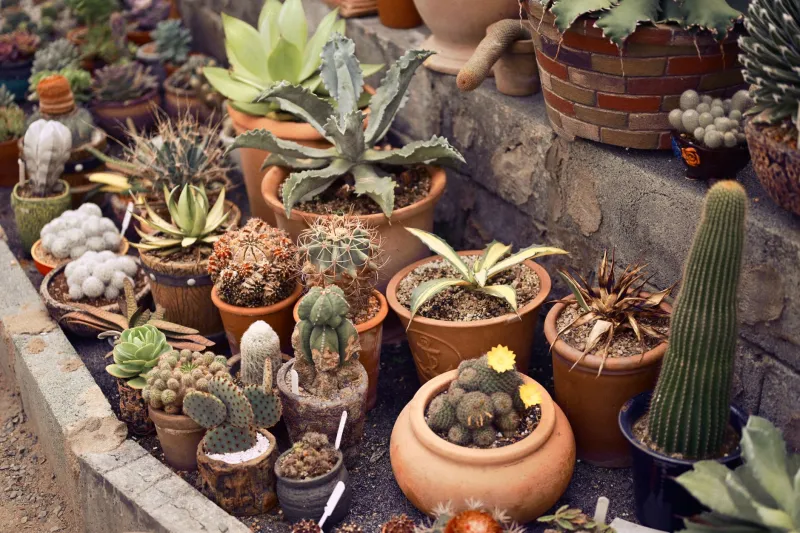
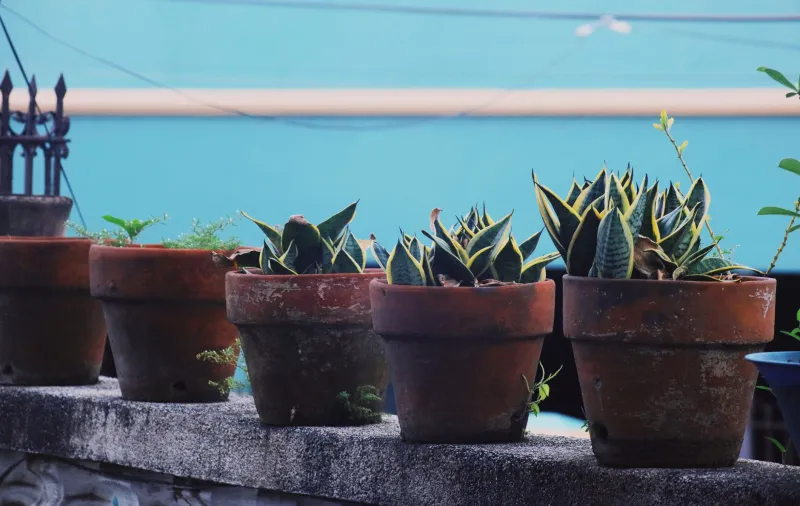
Let's begin with material, because this is where a lot of people make a choice they don't think twice about. Terra cotta pots are classic, cheap, and beautiful. They're also porous, which means moisture evaporates through the walls, not just the soil surface. That's not inherently bad — it actually helps prevent overwatering — but it means a terra cotta pot in a sunny spot on a Texas or Arizona patio might need watering twice a day in peak summer. If you didn't account for that, you're suddenly locked into a watering schedule that's basically a part-time job.
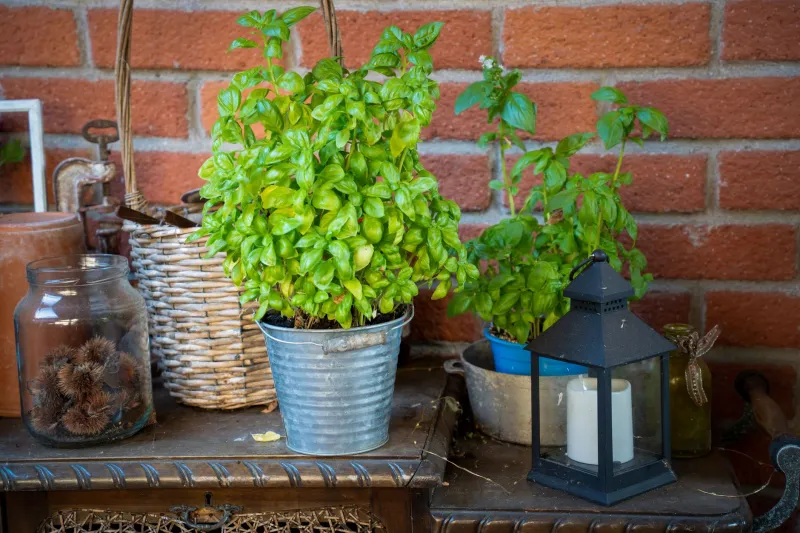
Plastic and resin pots retain moisture much longer. That sounds like a win until you're growing herbs that hate wet feet — think rosemary, thyme, or lavender — and the roots start rotting in August while everything looks fine from the outside. The pot material you chose in March quietly determined whether your herbs thrived or slowly fell apart.
Glazed ceramic sits somewhere in the middle, and fabric grow bags are their own category entirely, promoting air pruning of roots in a way that actually encourages denser, more productive root systems. The point isn't that one material is always right. The point is that whatever you pick has downstream consequences you need to plan around.
Drainage: The Decision That Touches Everything
If pot material is the first domino, drainage is the second — and it knocks over more of what follows than almost anything else.
A pot without drainage holes, or one where those holes are too small or clogged with compacted soil, creates a waterlogged zone at the bottom that plant roots actively avoid. This is called a perched water table, and it effectively shrinks your usable soil depth. A 12-inch pot with poor drainage might only give your plant roots 7 or 8 inches of workable space. For a determinate tomato or a deep-rooted pepper plant, that's a serious limitation.
Less usable depth means shallower roots. Shallower roots mean the plant can't buffer itself against temperature swings or dry spells. That makes it more vulnerable to heat stress, which opens the door to pest pressure — because stressed plants emit chemical signals that attract aphids and spider mites like a dinner bell. So the drainage hole decision you made in April is directly connected to the aphid problem you're dealing with in June.
Fix the drainage from the start and the whole chain shifts. Roots go deep, the plant stays resilient, stress stays low, and pests have less reason to move in.
Soil Depth and Root Architecture
This one catches people off guard because the relationship between soil depth and flavor isn't obvious at first. But it's real.
Roots do more than anchor a plant and pull up water. They're the interface between your plant and everything you've put in the soil — nutrients, beneficial microbes, minerals. A plant with a well-developed root system has better access to all of it. A cramped root system means the plant is essentially working with a smaller pantry.
For something like a cherry tomato, shallow roots often mean the plant redirects energy into survival mode rather than fruit production. You might get tomatoes, but they'll be watery and bland compared to what a properly rooted plant in a deeper pot would give you. The flavor difference between a tomato grown in a 5-gallon pot and one grown in a 15-gallon pot — with the same variety, same soil, same sun — can be genuinely surprising.
Soil depth also affects temperature regulation. Deeper pots insulate roots from the extreme heat that builds up in container walls on hot afternoons. That thermal stability keeps the plant in a productive growth state longer into summer, which again circles back to flavor and yield.
The Watering Schedule Spiral
Once your pot material and drainage situation are locked in, your watering schedule is largely determined for you. And your watering schedule, in turn, shapes almost everything else.
Overwatering in a poorly draining pot dilutes the nutrient concentration in the soil, which leads to pale, fast-growing but flavorless leaves. Underwatering in a porous pot under direct sun causes the plant to prioritize survival over flavor compound production. Either extreme and you're fighting against your own setup.
This is why experienced container gardeners don't just water on a fixed schedule. They learn to read their specific pots — the material, the depth, the drainage — and adjust accordingly. That knowledge comes from understanding the chain reaction, not from a one-size-fits-all app reminder.
Pot Placement: The Last Big Domino
Where you physically put your container affects light exposure, wind, temperature, and how often you need to water. A pot tucked against a south-facing brick wall gets radiated heat from two directions — above from the sun and sideways from the wall — which can push soil temperatures well above what roots can handle comfortably.
But placement also affects something subtler: whether you actually interact with your plants regularly. Pots that are inconvenient to reach get checked less often. Problems go unnoticed longer. A pest infestation that would've been caught early becomes a full-blown situation by the time you get around to looking.
Put your containers somewhere you walk past every day. That visibility is a form of plant care that doesn't show up in any gardening guide, but it matters enormously over a full season.
Getting the Chain Working For You
None of this is meant to make container gardening feel overwhelming. It's actually the opposite. Once you see how the decisions connect, you realize that getting a handful of things right at the start makes the rest of the season dramatically easier.
Choose your pot material based on your climate and what you're growing. Make sure drainage is genuinely adequate before you add a single scoop of soil. Match pot depth to root requirements — not just the plant's height, but how deep it wants to go. Fill it with a quality mix that holds moisture without getting soggy. Put it somewhere you'll see it every day.
Do those things and the dominoes start falling in your favor. Your roots go deep, your plant stays healthy, your watering schedule becomes manageable, pests don't get a foothold, and come harvest time, you're actually tasting what that variety was supposed to taste like all along.
That's the real payoff of thinking in systems rather than individual decisions. One good call in April is still paying dividends in September.