Your Pot Is a Tiny Oven (And It's Cooking Your Flavor Away)
Most home gardeners obsess over seeds, soil mix, and watering. Fair enough — those things matter. But there's a force working inside every container on your patio that almost nobody talks about, and it's probably doing more to shape the flavor of your vegetables and herbs than anything else you're doing (or not doing).
That force is temperature. Not air temperature. Soil temperature.
The dirt inside your pot can swing 30, 40, even 50 degrees Fahrenheit between an early morning in late spring and a scorching July afternoon. And every one of those degrees is doing something to the chemistry happening in your plants' roots, stems, and leaves — chemistry that ultimately lands on your tongue.
Why Soil Temperature Is a Flavor Machine
Plants are chemical factories. They're constantly producing sugars, acids, volatile aromatic compounds, and essential oils — the stuff that makes a homegrown tomato taste like a tomato instead of a pink tennis ball from a grocery store shelf. All of that production is enzyme-driven, and enzymes are notoriously temperature-sensitive.
When soil is too cold — say, below 50°F — root activity slows dramatically. Nutrient uptake drops. Sugar transport stalls. Plants go into something like a low-power mode, and flavor development basically pauses. You'll see this in early spring when impatient gardeners (we've all been there) put seedlings out too soon. The plants survive, but they sulk. They don't produce much of anything worth tasting.
When soil gets too hot — and in a dark-colored pot sitting in full afternoon sun in Phoenix or Atlanta, soil temps can push past 95°F — a different problem kicks in. Beneficial soil microbes start dying off. Fine root hairs that do most of the nutrient-absorbing work get damaged. Stress hormones flood the plant, and instead of putting energy into flavor compounds, the plant pivots to survival mode. The result? Bitter greens. Woody herbs. Tomatoes that taste thin and acidic instead of rich and balanced.
The sweet spot for most culinary vegetables and herbs sits somewhere between 65°F and 80°F in the root zone. Keeping your soil in that range — as consistently as possible — is one of the highest-leverage things you can do for flavor.
Dark Pot vs. Light Pot: It's Not Just an Aesthetic Choice
Walk through any garden center and you'll see containers in every color imaginable. Most people pick based on looks. That's totally valid, but you should also know what you're signing up for thermally.
Dark-colored pots — black, navy, deep brown — absorb solar radiation aggressively. On a sunny summer afternoon, the outside wall of a black plastic pot can hit temperatures that would be genuinely uncomfortable to hold your hand against. That heat conducts inward. Soil near the pot walls can be dramatically warmer than soil at the center, creating uneven root environments and stress zones that affect the whole plant.
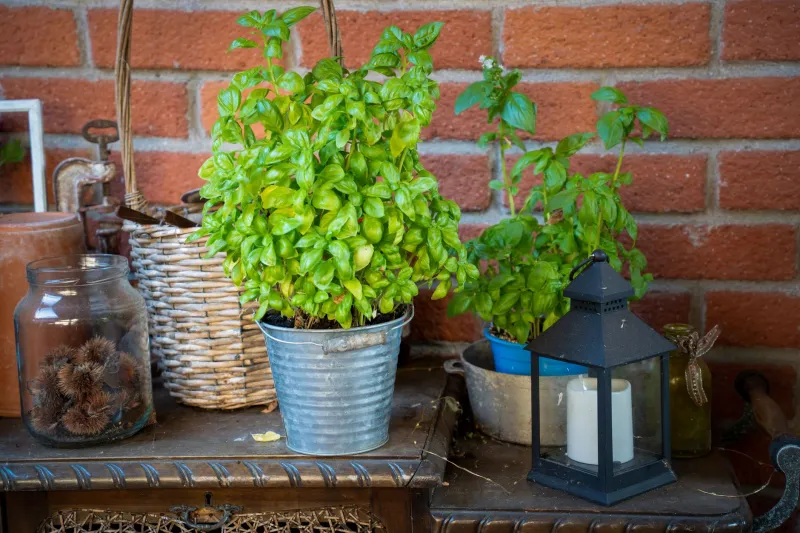
Light-colored or white containers reflect a significant portion of incoming solar energy. Soil temps in a white pot can run 10 to 15 degrees cooler than in an identical black pot sitting right next to it in the same sun. For heat-sensitive crops like lettuce, cilantro, spinach, and basil, that difference is enormous. It's often the reason one pot of basil stays lush and aromatic while another bolts and turns bitter seemingly overnight.
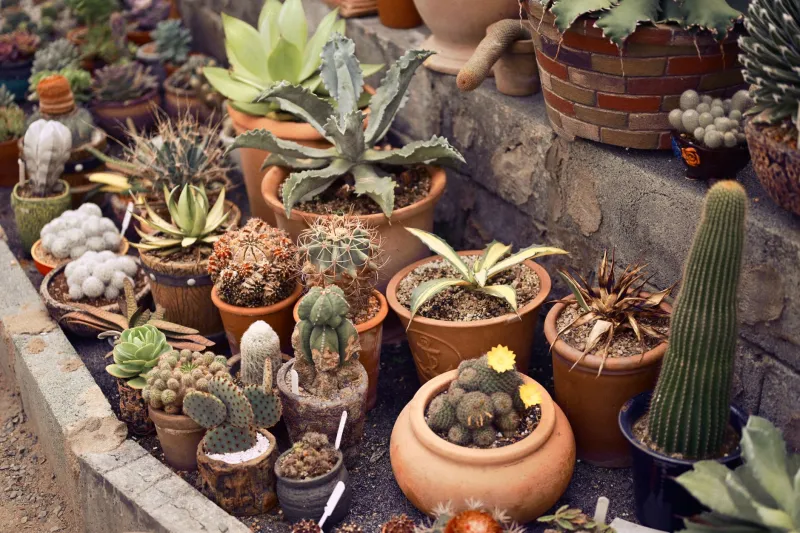
Terracotta is its own interesting case. It's porous, which means water evaporates through the walls — and evaporation is a cooling process. Unglazed terracotta pots naturally run cooler than plastic or glazed ceramic, which is great in summer but can work against you in spring when you actually want the soil to warm up faster.
Metal containers — the trendy galvanized tubs you see all over Instagram — are essentially solar collectors. Beautiful, yes. Thermally brutal for roots in direct sun, also yes. If you love the look, line the inside with insulating material or keep them in partial shade.
The Afternoon Spike Problem
Even if you've chosen a light-colored pot and good soil, you still have to deal with what happens between about 1 PM and 5 PM on a hot summer day. That's when ambient air temperatures peak, reflected heat from patios and walls compounds the effect, and direct sun exposure is often at its most intense angle.
This is when container soil temperatures spike hardest and fastest. And because pots have limited soil volume compared to in-ground beds, they heat up (and cool down) much more quickly than garden soil. There's less thermal mass to buffer the swings.
A few practical moves that actually help:
Double-potting — placing your growing container inside a slightly larger decorative pot — creates an insulating air gap between the two walls. That gap dramatically slows heat transfer from the outer surface to the root zone.
Mulching the soil surface with a thin layer of straw, wood chips, or even shredded paper keeps direct sun off the top of the soil and slows evaporation. It won't drop your soil temp dramatically, but it smooths out the spikes.
Strategic placement matters more than most people realize. Moving a pot from full afternoon sun to a spot that gets afternoon shade — even just from a fence, a taller container, or a patio umbrella — can mean the difference between thriving herbs and stressed-out ones.
Watering timing is also a thermal lever. Watering in the morning gives moisture time to distribute before heat peaks. The evaporation that happens through the day has a gentle cooling effect on the root zone. Evening watering can leave roots sitting in warm, wet soil overnight, which isn't ideal for disease resistance or root health.
Cold Swings Count Too
It's easy to think of this as a summer problem, but the cold side of the temperature equation matters just as much. In fall and early spring — the seasons when so many great culinary plants are at their peak — nighttime temps can drop fast, and container soil follows right along.
Here's the interesting flip side: controlled cold exposure can actually boost flavor in some plants. Kale, carrots, and certain root vegetables famously sweeten up after a frost. The plant converts starches to sugars as a kind of antifreeze mechanism, and you get to eat the result. Growers who understand this will deliberately leave kale out through light frosts to trigger that sweetness. It's not an accident — it's thermal flavor management.
The key word is controlled. A hard freeze that penetrates deep into a container can kill roots. A light frost on the foliage of a cold-hardy plant? That's a flavor upgrade.
Think of Your Pot as a Climate Chamber
Once you start seeing your containers this way — as small, manageable climate chambers rather than just dirt-filled vessels — a lot of things click into place. Why did that batch of basil taste flat? Probably a thermal spike. Why did the fall lettuce taste so much better than the summer lettuce? The cooler, more stable soil temps in September. Why does the herb pot near the white wall produce more aromatic leaves than the identical one near the brick wall? Reflected heat.
You don't need a soil thermometer to start paying attention to this stuff (though a cheap probe thermometer from the hardware store is genuinely useful). You just need to start noticing what your pots are doing throughout the day and season, and making small adjustments that keep the root zone in that productive, flavor-building sweet spot.
Your seeds are doing their part. Give them a thermal environment worth growing in.