Tall, Short, or Somewhere in Between: How Container Shape Changes Everything About Your Harvest
Walk into any garden center and you'll find yourself staring at a wall of pots. Terracotta, plastic, fabric, glazed ceramic — they come in every color and finish imaginable. But here's what most people never stop to think about: the shape of the container might matter more than anything else on that shelf.
Not the material. Not even the volume, exactly. The geometry.
Tall and narrow versus short and wide. Tapered versus straight-sided. Deep and cylindrical versus squat and bowl-shaped. These distinctions aren't just aesthetic. They fundamentally change how roots grow, how water moves through the soil, and — yes — how food actually tastes when it finally lands on your plate.
Let's break this down in a way that actually helps you make smarter decisions at the pot store.
Why Shape Affects Roots (And Roots Affect Everything Else)
Plant roots are opportunists. They follow water, they chase oxygen, and they spread wherever the soil allows them to go. Put a plant in the wrong-shaped container and its root system gets forced into an unnatural pattern — cramped in one direction, overextended in another, or sitting in moisture it never asked for.
Here's the key concept: water doesn't drain evenly in a container the way it does in open ground. There's always a layer of saturated soil at the very bottom of any pot, regardless of how good your drainage is. Plant scientists call this the "perched water table," and it exists in every container you've ever owned.
In a short, wide pot, that saturated zone takes up a bigger proportion of the total soil depth. In a tall, narrow pot, the same saturated layer exists but represents a much smaller slice of the overall root zone. The rest of the column stays aerated and well-drained.
For some plants, that extra aeration is everything. For others, the wide lateral spread of a squat container is exactly what they need.
The Case for Going Tall: Deep-Rooted Vegetables
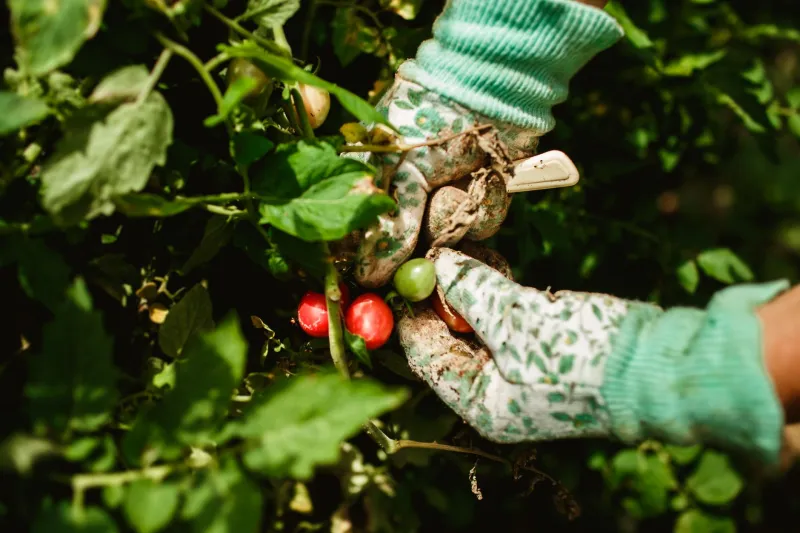
Tomatoes are the poster child for tall containers, and for good reason. Their root systems are aggressive vertical explorers. Given the chance, a tomato plant will send roots down 18 to 24 inches or more. That depth does two things: it anchors the plant against wind and the weight of heavy fruit, and it gives roots access to more consistent moisture and nutrients deeper in the column.
When you plant tomatoes in a shallow or wide pot, those downward-reaching roots hit the bottom and start circling. Circling roots are stressed roots, and stressed roots produce stressed fruit — think bland flavor, cracking skin, and inconsistent ripening.
Carrots have an obvious reason to go tall: the edible part is the root. Try growing a Danvers or Nantes variety in a 6-inch-deep pot and you'll pull up stubby, forked little fingers that look nothing like what's on the seed packet. Aim for containers at least 12 to 14 inches deep, and 16 is better.
Peppers also benefit from depth more than width. They develop a surprisingly robust taproot system and tend to struggle in wide, shallow containers where that perched water table stays too close to the crown of the plant.
Best crops for tall, narrow containers:
- Tomatoes (especially indeterminate varieties)
- Carrots and parsnips
- Peppers
- Eggplant
- Green onions and leeks
The Case for Going Wide: Shallow-Rooted Spreaders
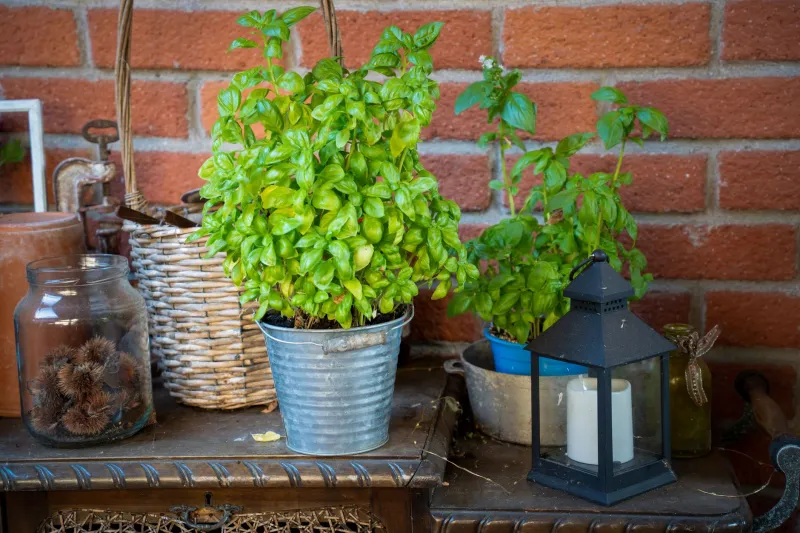
Not every plant is trying to dig to China. Basil is a perfect example of a crop that grows wide before it grows deep. Its root system stays relatively shallow — rarely going below 8 to 10 inches — but spreads laterally in search of space and nutrients. A tall, narrow pot wastes all that vertical depth and actually creates a problem: too much unused, waterlogged soil below the root zone, which can lead to root rot and fungal issues.
A wide, squat container gives basil room to spread naturally. More root surface area means more water and nutrient uptake, which translates directly into those big, fragrant leaves you're after. Crowded basil in a tall pot is one of the most common reasons home growers end up with small, bitter-tasting leaves.
Lettuce and other leafy greens follow the same logic. Their roots are fine and fibrous, spreading outward rather than downward. A wide window box or a broad, shallow planter lets you grow a whole salad's worth of greens in a single container because you're working with the plant's natural root habit instead of against it.
Herbs like thyme, oregano, and marjoram are Mediterranean natives that evolved in rocky, shallow soil. They're almost offended by deep containers. Give them a wide, low pot with excellent drainage and they'll thrive. Put them in something tall and narrow and you're essentially drowning their lower roots while the top stays dry.
Best crops for wide, shallow containers:
- Basil and most culinary herbs
- Lettuce and salad greens
- Spinach and arugula
- Thyme, oregano, and marjoram
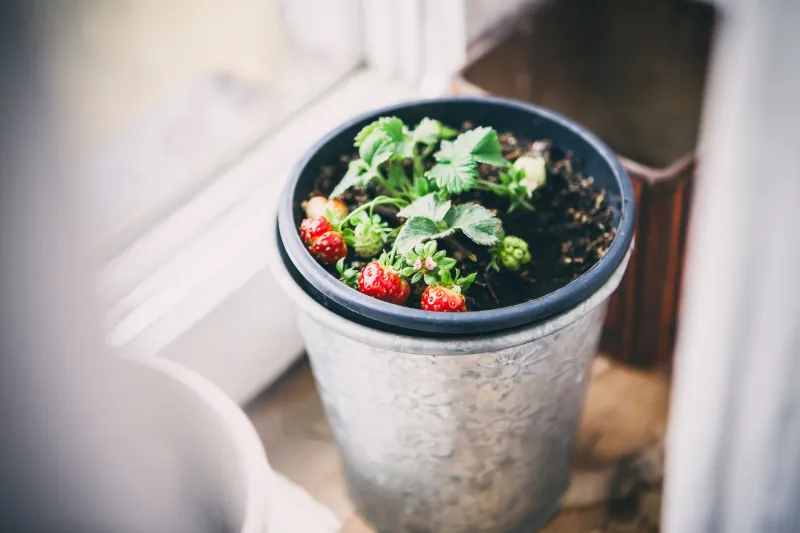
- Strawberries
- Radishes
The Middle Ground: Crops That Aren't Picky (But Still Have Preferences)
Some plants are flexible enough that shape matters less than overall volume. Bush beans, for instance, do fine in a container that's roughly as wide as it is tall — something in the 10-to-12-inch range in both dimensions. Cucumbers want depth but also appreciate lateral spread for their sprawling root system, so a medium-depth, medium-width container (think a classic 15-gallon nursery pot shape) tends to work well.
Zucchini is a space hog by nature and will basically take whatever you give it, but it performs best in something wide enough to support that massive leaf canopy — at least 18 inches across — with enough depth (12 inches or more) to keep it anchored.
A Few Practical Tips Before You Buy
If you're shopping for containers with shape in mind, here are a few things worth keeping in your back pocket:
Fabric pots are shape-flexible. Because they're soft-sided, they naturally "breathe" through the walls and prevent the perched water table problem more effectively than rigid containers. If you're using fabric, you have a bit more leeway on shape.
Tapered pots (wider at the top) work better for most shallow-rooted crops than straight-sided ones because the root zone is naturally concentrated near the surface where most of the soil volume is.
Don't confuse volume with shape. Two pots can hold the same amount of soil but have completely different root environments. A 5-gallon container that's 18 inches wide and 6 inches deep is a totally different growing environment than a 5-gallon container that's 10 inches wide and 14 inches deep — even though both hold 5 gallons.
When in doubt, check root depth at maturity, not just plant height. Seed packets often list mature plant height but rarely mention root depth. Do a quick search before you buy your pot, and you'll save yourself a season of underperformance.
The Bottom Line
Container gardening is all about working within constraints and making smart decisions with the space and resources you have. Shape is one of those decisions most gardeners skip — and it shows up in the harvest. A tomato plant fighting for root depth in a shallow bowl, or a basil plant drowning in a tall narrow column of waterlogged soil, is never going to give you its best.
Match the geometry to the plant, and you're not just gardening smarter — you're growing food that actually tastes like it's supposed to.