Your Patio Has a Personality: How to Read Your Microclimate and Grow for Maximum Flavor
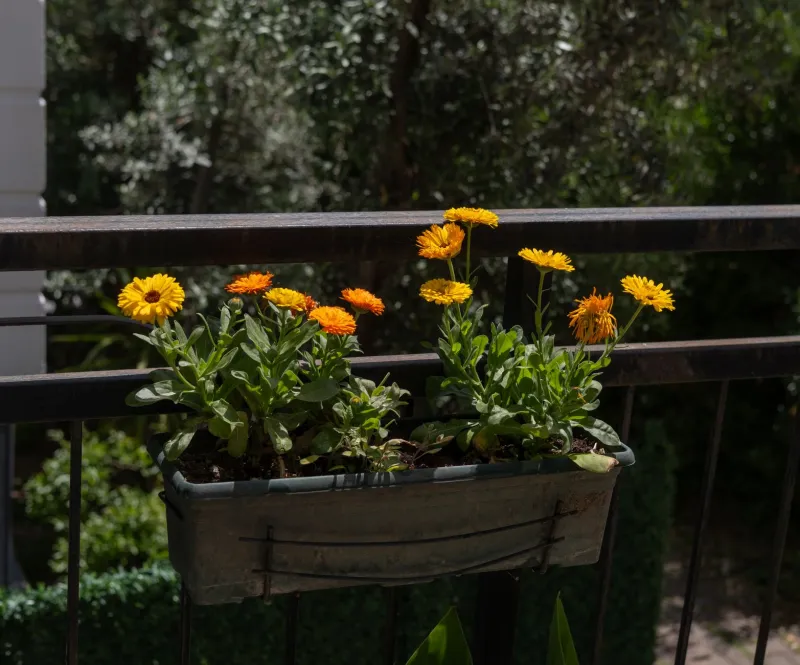
Walk into any garden center and you'll see the same labels plastered on every seed rack: Full Sun. Part Shade. Well-Drained Soil. They're not wrong, exactly. But they're written for some imaginary average garden in some imaginary average location — not for your third-floor Brooklyn balcony that gets blasted by afternoon wind off the river, or your Phoenix patio that reflects so much heat off the stucco wall it basically becomes a second grow light.
Here's the thing nobody tells you when you're standing in that garden center aisle: your specific outdoor space has its own microclimate. And that microclimate — the unique combination of sunlight intensity, airflow, humidity, and temperature swings happening right where your pots sit — has a bigger influence on what you grow and how it tastes than almost any other variable. Not the seed brand. Not even the potting mix.
Understanding it changes everything.
What a Microclimate Actually Is (And Why Yours Is Unique)
A microclimate is just a localized set of conditions that differ from the broader regional climate around it. Your city might average 85°F on a July afternoon, but your south-facing concrete balcony could be running 15 degrees hotter than that thanks to radiant heat bouncing off the floor and walls. Meanwhile, your neighbor one floor up might be catching a consistent breeze that drops their effective temperature and evaporates soil moisture twice as fast.
These aren't small differences. For a container plant, they're enormous. Roots in a pot are already more exposed to ambient temperature than roots in the ground, which means a superheated microclimate can push soil temps into ranges that actively shut down nutrient uptake, slow germination, or turn a sweet pepper bitter. A wind-heavy spot desiccates seedlings before they even get established.
The flip side is also true. A sheltered corner with a light-colored wall can extend your growing season by weeks, keeping nighttime temperatures just warm enough for basil or cherry tomatoes to keep producing into October in zones where they'd normally give up in September.
The Four Forces Shaping Your Flavor
Sunlight Intensity vs. Duration
This is the one most container gardeners get wrong. "Full sun" on a label means roughly six or more hours of direct light per day. But there's a big difference between six hours of gentle morning sun in the Pacific Northwest and six hours of high-altitude desert sun in Albuquerque, where UV intensity is dramatically higher. More intense light accelerates photosynthesis, which sounds great — until it also speeds up the stress responses in plants that produce volatile aromatic compounds.
That's actually where flavor comes from. Herbs like thyme, oregano, and rosemary produce more concentrated essential oils when they experience moderate stress from intense light. Tomatoes develop richer, more complex sugars under the same conditions. But push it too far — especially without adequate water — and those same plants start converting sugars into bitter compounds as a survival mechanism. There's a sweet spot, and your microclimate determines where it lands.
Wind and Airflow
Wind is underrated as a flavor variable. Consistent airflow does two things: it strengthens stems (which is mostly fine) and it accelerates transpiration, the process by which plants move water from roots through leaves. In a high-wind spot, your containers dry out faster, which concentrates soil nutrients and can stress plants in ways that either enhance or degrade flavor depending on the crop and the severity.
For hot peppers, a little wind-induced water stress near harvest actually boosts capsaicin production — meaning your balcony's breezy reputation might be an asset. For lettuce and most leafy greens, the same conditions push them toward bitterness and early bolting. Knowing which way the wind blows on your specific patio isn't just poetic — it's genuinely useful data.
Humidity
Humidity affects both germination and flavor development. Seeds germinate best within specific moisture ranges, and a very dry microclimate (common in arid climates or on high-rise balconies with lots of wind) can pull moisture from the soil surface before seeds ever sprout. On the other end, a humid, poorly ventilated space invites fungal issues that compromise plant health and, eventually, taste.
For culinary herbs especially, humidity plays into the concentration of flavor compounds. Basil grown in consistently humid conditions tends to have a milder, almost watery flavor profile compared to the same variety grown in drier air with careful watering at the root zone.
Temperature Swings
Night-to-day temperature variation — what growers call the DIF — is one of the most underappreciated flavor drivers in container gardening. Many vegetables, especially tomatoes and peppers, develop significantly better flavor when nighttime temperatures drop 20°F or more below daytime highs. That swing triggers sugar accumulation in the fruit tissue. It's why tomatoes grown in Colorado often taste better than the same variety grown in Florida, where nights stay warm and sugars keep getting metabolized.
If your patio retains heat overnight (common with concrete floors and brick walls), you may want to seek out varieties bred for warmer nighttime conditions, or experiment with positioning pots where they get more air circulation after dark.
How to Actually Assess Your Space
You don't need expensive equipment. Spend a few days paying attention to these things:
- Track sun movement hourly on a clear day. Note when direct light hits your growing area and when it disappears. A free sun-tracking app like Sun Seeker can help if your space is complicated by neighboring buildings or overhangs.
- Check your surface temperature mid-afternoon on a hot day. An inexpensive infrared thermometer (available for under $20 online) will tell you whether your pots are sitting on a surface that's radiating significant extra heat.
- Notice wind patterns at different times of day. Many urban spaces get calmer winds in the morning and stronger gusts in the afternoon as city heat rises.
- Watch your soil moisture for a week without adjusting your watering schedule. If containers dry out in 24 hours, you're in a high-evaporation microclimate. If they stay wet for three or four days, you may have humidity and drainage challenges to address.
Choosing Seeds for the Space You Actually Have
Once you have a read on your microclimate, you can start matching seed varieties to it instead of fighting against it. Hot, intense-sun spots are ideal for Mediterranean herbs — thyme, oregano, marjoram — and compact pepper varieties. Breezy, moderate-sun spaces tend to favor cool-season crops like cilantro, parsley, and greens. Sheltered, humid corners are where mint and chives absolutely thrive.
For tomatoes, look at heat-tolerant varieties if your patio runs hot (Solar Fire and Heatmaster are popular choices in the South), or focus on varieties bred for short seasons if your space is shaded part of the day. For herbs, seek out descriptions that mention drought tolerance or Mediterranean origin if your microclimate is dry and intense.
The labels at the garden center are a starting point. Your patio is the actual story. Learn to read it, and you'll stop fighting your conditions and start growing with them — which is when the real flavor starts showing up in the pot.