Potted Herbs Hit Different: The Real Science Behind Why Homegrown Blows Store-Bought Out of the Water
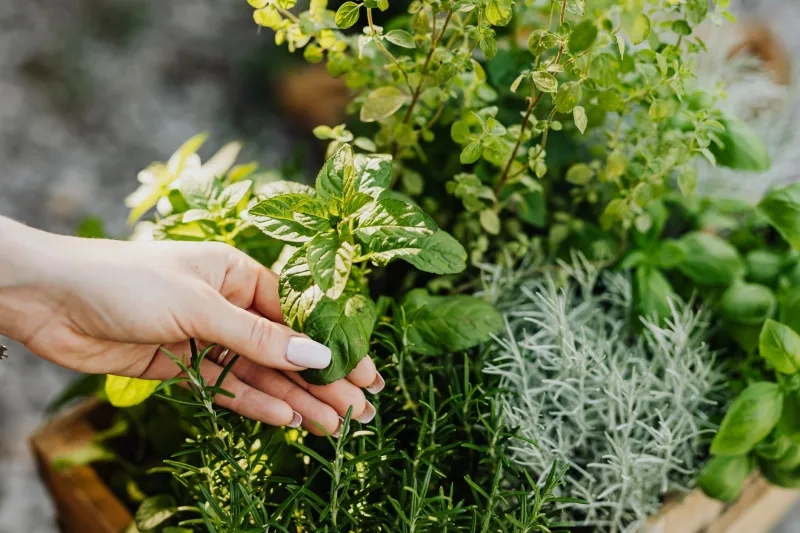
You've probably noticed it without fully registering what was going on. You tear a leaf off your patio rosemary, rub it between your fingers, and suddenly the air smells like a Tuscan hillside. Then you open a grocery store clamshell of the same herb and get... something that vaguely suggests rosemary. Technically the same plant. Completely different experience.
This isn't your imagination, and it isn't just freshness. The flavor gap between homegrown container herbs and commercial versions comes down to some genuinely fascinating plant biology — and once you understand it, you can use it to grow herbs that taste even more intense than what you're already pulling off your windowsill.
The Essential Oil Connection
Herb flavor is essentially a delivery system for volatile aromatic compounds — essential oils that plants produce in tiny glands on their leaves and stems. Basil's punch comes from linalool and eugenol. Thyme brings thymol and carvacrol to the table. Mint's kick is almost entirely menthol. These compounds don't just taste good; they're the plant's defense mechanism against insects, heat, and environmental stress.
Here's the key insight: plants produce more of these compounds when they're mildly stressed. Not killed-off stressed. Just pushed a little. Commercial herb growers optimize for yield, speed, and visual appeal — lush, full, green bunches that photograph well and hold up in cold transport. To get that, they use nutrient-rich growing media, frequent irrigation, and controlled greenhouse environments. The plants grow fast, look great, and produce relatively diluted essential oils because they never had to work very hard.
Your container herb on the back porch? That plant is dealing with variable temperatures, direct sun, the occasional dry spell between waterings, and a pot that limits how far its roots can spread. It responds by doubling down on the chemical compounds that protect it. Which means it doubles down on flavor.
Why Pot Size Actually Changes the Taste
This is one of those container gardening facts that surprises people: the size of your pot influences how your herbs taste, not just how big they grow.
Herbs grown in smaller, slightly rootbound conditions tend to concentrate their essential oils more intensely than the same plant given unlimited space. A basil plant in a 6-inch pot is going to taste sharper and more complex than the same variety grown in a 14-inch container with rich, loose soil and plenty of room to sprawl. The restricted root zone creates a mild stress signal that kicks essential oil production into gear.
That doesn't mean you should torture your herbs in tiny pots — there's a balance. But if you've been upsizing every herb into the biggest container you own, thinking bigger is always better, you might actually be working against yourself flavor-wise. For culinary herbs like thyme, oregano, and marjoram, keeping them on the snug side tends to pay off at the dinner table.
The Watering Effect Nobody Talks About
Overwatering is the most common container gardening mistake, and it doesn't just kill plants — it actively waters down their flavor. Literally.
When herb roots sit in consistently moist soil, the plant doesn't need to conserve resources or mount any kind of chemical defense. It stays comfortable and produces fewer aromatic compounds. Letting the soil dry out slightly between waterings — not to the point of wilting, but to where the top inch or two feels dry to the touch — signals to the plant that conditions aren't perfect. That signal triggers essential oil production.
Mediterranean herbs like rosemary, thyme, lavender, and oregano evolved in dry, rocky soil with infrequent rain. When you grow them in containers and water them constantly, you're essentially tricking them into thinking they live somewhere lush and easy. Back off the watering schedule a bit and you'll notice the difference in your next batch of roasted chicken.
Harvest Timing Is a Flavor Decision
When you harvest matters as much as how you grow. Essential oil concentrations in most culinary herbs peak just before the plant flowers. Once a basil or cilantro plant bolts and puts energy into seed production, the leaves lose a significant portion of their aromatic punch.
For peak flavor, harvest in the morning after the dew has dried but before the afternoon heat. Volatile aromatic compounds are most concentrated at that time of day. Pinching stems back regularly — rather than stripping leaves — also encourages bushier growth and keeps the plant in that pre-flowering, high-oil state longer.
If you want to get a little nerdy about it, try a side-by-side taste test: harvest basil from the same plant first thing in the morning versus late afternoon on a hot day. The difference is subtle but real, especially in a fresh preparation like a Caprese salad where nothing is cooking off the aromatics.
The Herb Flavor Rankings: Which Ones Surprise You Most
Not all herbs show the same dramatic gap between homegrown and commercial. Here's a rough ranking based on how big the difference tends to be:
Biggest flavor gap:
- Basil — Store-bought is almost always grown for size, not flavor. Homegrown, especially varieties like Genovese or Napoletano, is a different plant entirely.
- Cilantro — Commercial cilantro is harvested young and shipped cold. Homegrown from seed, allowed to develop properly, has a much more complex, citrusy character.
- Tarragon — French tarragon from your own pot has an anise intensity that grocery store bunches almost never deliver.
Significant but slightly smaller gap:
- Oregano — Especially true of Greek oregano varieties. Dried homegrown oregano from a container plant grown in lean, dry conditions is incomparable to the stuff in a grocery store spice jar.
- Thyme — The difference is most noticeable when you use it fresh. Homegrown thyme has a floral, almost lemony quality that commercial versions rarely retain.
- Mint — Homegrown peppermint or spearmint is noticeably more potent. A little goes a long way.
Noticeable but more modest difference:
- Chives — Good either way, but homegrown has a sharper, more oniony bite.
- Parsley — The gap exists, but flat-leaf parsley from a container is more about freshness than dramatically different flavor chemistry.
Simple Tweaks to Push Flavor Even Further
If you want to actively maximize essential oil production in your container herbs, a few practical adjustments go a long way:
Go easy on the fertilizer. Heavy nitrogen feeding produces lush, fast growth — and diluted flavor. Use a balanced, slow-release fertilizer at half the recommended rate for culinary herbs. Less is genuinely more here.
Give them sun. Most culinary herbs want six to eight hours of direct sun per day. Low light means less photosynthesis, less energy for essential oil production, and blander flavor. South or west-facing spots on a patio or balcony are ideal.
Choose the right varieties. Seed selection matters enormously. 'Spicy Globe' basil and 'Fino Verde' are packed with more essential oils than standard sweet basil. 'Greek' oregano outperforms Italian varieties for intensity. When you're sourcing seeds, look for variety names that specify culinary performance, not just yield or appearance.
Let them experience the seasons. Container herbs that go through mild temperature swings — warm days, cooler nights — often develop more complex flavor profiles than those kept in a perfectly climate-controlled environment. Don't rush to bring them inside at the first hint of fall cool.
The Takeaway
Growing your own container herbs isn't just about convenience or cost, though it delivers on both. It's about accessing a flavor intensity that the commercial supply chain is structurally unable to provide. By understanding what drives essential oil production — mild stress, lean soil, appropriate watering, smart harvest timing — you're not just growing herbs. You're dialing in a flavor system that makes everything you cook taste more like you actually meant it.
That rosemary on your patio isn't just fresher than the grocery store version. It's chemically, fundamentally, measurably more delicious. And with a few small adjustments, it can be even better.