Why Your Container Tomatoes Taste Flat (And What's Really Going On Inside That Pot)
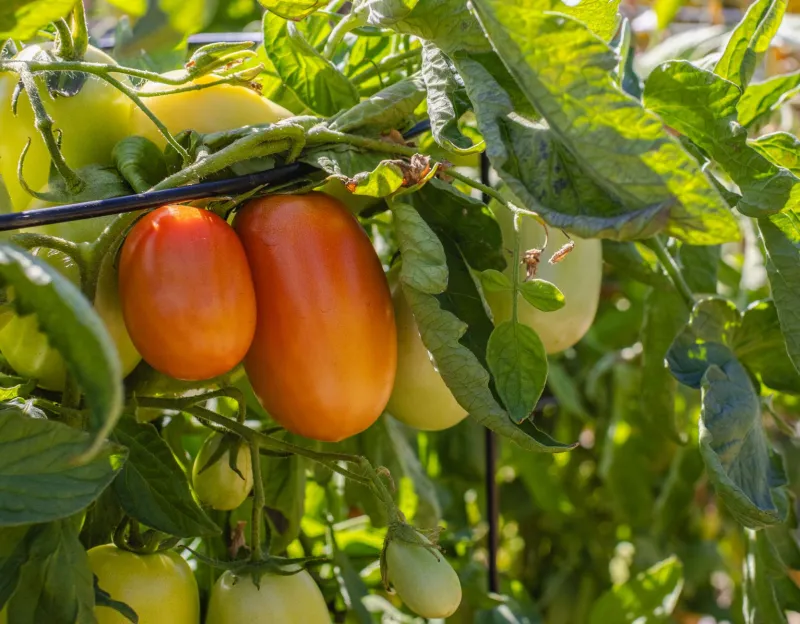
You bit into one of your homegrown tomatoes last August and felt… underwhelmed. Meanwhile, your neighbor pulled one off her vine and handed you a slice that tasted like summer in concentrate — sweet, a little tangy, with that deep savory thing happening in the background that's almost impossible to describe.
Same city. Same general climate. Completely different tomatoes.
This is one of the most common frustrations among container gardeners, and the good news is that it almost always comes down to a handful of fixable factors. Tomato flavor isn't random. It's chemistry — and once you understand what's driving it, you can start engineering your pots to produce fruit that makes people stop mid-conversation.
The Flavor Science You Actually Need to Know
Tomato taste is built from a combination of sugars, acids, and volatile aromatic compounds. When those three things are in balance, you get complexity. When any one of them is off, the whole experience falls flat.
Sugars give you sweetness. Acids give you that bright, lip-smacking quality. And the volatiles — there are hundreds of them — are what create the difference between a tomato that tastes like a tomato and one that tastes like a slightly red ball of water.
Here's the kicker: all three of those flavor components are directly influenced by what's happening inside your pot. Soil composition, container volume, how you're feeding your plants, and even your watering schedule all play measurable roles in how your harvest ends up tasting.
Container Size Is Doing More Than You Think
A lot of gardeners pick the smallest pot they can get away with because they're working with limited space. That's understandable. But undersized containers create a cascade of problems that hit flavor hard.
When roots run out of room, the plant experiences chronic stress. A little stress at the right moment can actually concentrate sugars — more on that in a second — but ongoing, unrelenting root restriction suppresses the plant's ability to uptake nutrients efficiently. The result is fruit that looks fine on the outside but lacks depth.
For most standard tomato varieties, you want at least a 5-gallon container, and 10 gallons is better. Indeterminate varieties — the ones that keep climbing all season — really want 15 to 20 gallons if you're serious about flavor. Yes, those are big pots. But they give roots the space to spread out, regulate moisture more consistently, and access the full range of nutrients you're providing.
Smaller determinate varieties and cherry tomatoes can do well in 5-gallon pots, but even they benefit from the extra real estate.
What's Actually in Your Potting Mix
This is where a lot of gardeners quietly go wrong. Bagged potting soil is not all created equal, and the generic stuff from a big-box store is often more filler than function.
Flavor-forward tomatoes need soil that drains well but retains enough moisture to prevent the plant from cycling between drought stress and overhydration. That moisture consistency matters because erratic watering directly affects sugar concentration. It also affects whether your plant can access the calcium it needs — and calcium deficiency doesn't just cause blossom end rot, it also dulls flavor.
A solid container mix for tomatoes usually looks something like this:
- A quality peat or coco coir base for structure and moisture retention
- Perlite for drainage (around 20-25% of the total volume)
- Aged compost for baseline nutrition and microbial activity
- A small amount of worm castings, which are quietly one of the best flavor-boosters you can add to a container
That last ingredient gets overlooked constantly. Worm castings introduce beneficial microbes that help break down nutrients into forms the plant can actually use, and they improve the bioavailability of trace minerals that contribute to flavor complexity.
The Fertilizer Trap Most Gardeners Fall Into
Nitrogen is the nutrient that makes plants grow fast and look lush. It's also the one that, when overused, produces big leafy plants with watery, bland fruit.
A lot of beginner-friendly fertilizers are nitrogen-heavy because nitrogen produces visible, satisfying results quickly. Your plant gets big. It looks healthy. You feel like you're doing everything right.
But tomato flavor develops during fruiting, and that's when you want to shift toward phosphorus and potassium while backing off nitrogen. Phosphorus supports root development and fruit set. Potassium is the big one for sugar production and overall fruit quality — it's often called the "quality nutrient" for exactly this reason.
Once your tomato plants start flowering, switch to a fertilizer with a lower first number (nitrogen) and higher second and third numbers (phosphorus and potassium). Something in the range of 5-10-10 or similar. A lot of tomato-specific fertilizers are formulated with this in mind, so reading the label actually matters here.
Calcium and magnesium are also worth supplementing in containers, where they deplete faster than in ground soil. A diluted Epsom salt solution once or twice a month handles magnesium, and a calcium supplement (or crushed eggshells worked into the top layer of soil) addresses the other.
Watering: The Flavor Dial You're Probably Misusing
Here's something most growing guides don't tell you plainly: consistent, slightly restrained watering produces better-tasting tomatoes than generous, frequent watering.
When tomatoes get a lot of water right before harvest, they take it up rapidly, which dilutes the sugars and acids already concentrated in the fruit. It's the same reason tomatoes picked after a long rainy stretch often taste bland — the plant just absorbed too much water too fast.
The goal is even, moderate moisture throughout the growing season. Let the top inch of soil dry out before watering again. During the final two weeks before you expect to harvest, you can back off slightly to encourage sugar concentration. Not to the point of wilting — that's a different kind of stress — but a gentle reduction in water at the end of the season can noticeably improve flavor.
Mulching the top of your container with straw or wood chips helps regulate soil temperature and slows moisture loss between waterings, which makes it easier to maintain that consistent moisture level without constant attention.
One More Thing: Variety Actually Matters
All the soil science in the world won't fully compensate for starting with a variety that isn't bred for flavor. A lot of commercial tomato varieties are selected for shelf life, uniformity, and disease resistance — not taste.
If you want flavor as your primary goal, look for heirloom varieties known for complexity: Brandywine, Cherokee Purple, Black Krim, and Sun Gold cherry tomatoes are all consistently rated highly for taste. These varieties tend to have higher sugar-to-acid ratios and more of those aromatic volatile compounds that make a tomato actually taste like something.
At All Pot Seeds, we're big believers in starting with seed varieties chosen specifically for flavor — because the best soil prep in the world is still working with what the seed gives you.
Pull It All Together
Your neighbor's tomatoes aren't better because she got lucky. They're better because something in her setup — her pot size, her soil, her feeding schedule, her watering habits — is hitting closer to the conditions that produce genuinely flavorful fruit.
The good news is that every one of those variables is within your control. Upgrade your container size, build a better soil mix, shift your fertilizer strategy as the season progresses, water with intention, and choose varieties that were actually bred to taste good. Do all of that, and next summer, you might be the one handing out slices that stop conversations.