Pots That Pay You Back: How to Build a Year-Round Container Vegetable Garden That Actually Saves You Money
The Math Most Gardeners Never Do
Here's a question worth sitting with: how much did you spend on fresh vegetables last month? According to the USDA, the average American household drops somewhere between $50 and $100 on produce every single week. That's a lot of money walking out the door for things you could genuinely grow yourself — even without a backyard.
Container gardening gets dismissed as a hobby. Something you do for fun, for the Instagram photo, for the novelty of it. But when you start running the numbers, a well-planned potted vegetable garden stops looking like a pastime and starts looking like a smart financial decision. The trick is knowing which vegetables to grow, when to plant them, and how to keep something in the ground (or rather, in the pot) during every season of the year.
Let's break it all down.
Start With the High-ROI Vegetables
Not every vegetable earns its pot space equally. If your goal is to meaningfully reduce what you're spending at the grocery store, you want to focus on crops that meet a few criteria: they're expensive to buy, they grow fast, they produce repeatedly, and they don't demand enormous containers.
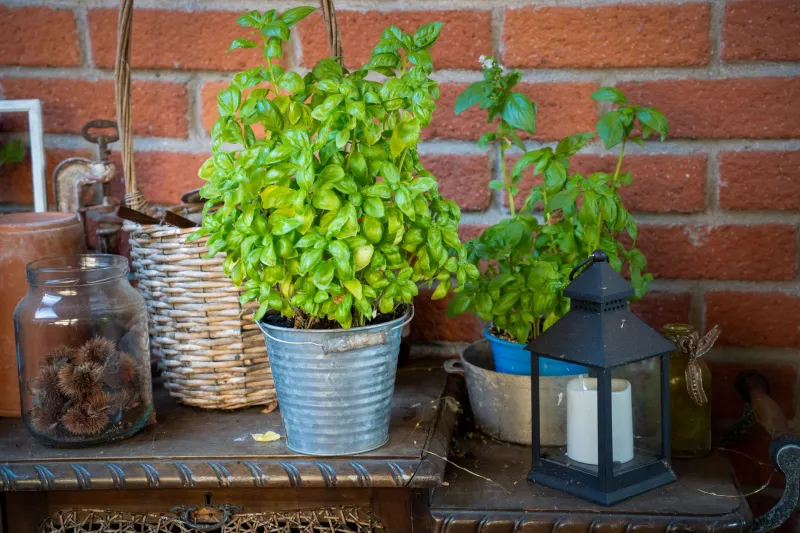
Herbs are the undisputed champions here. A single basil plant — started from seed for pennies — can produce enough leaves all summer to replace $3–$5 weekly grocery store bunches. Multiply that across a season, and you're looking at $50 to $80 in savings from one six-inch pot. Parsley, chives, cilantro, and mint follow similar logic. These are also among the easiest seeds to start, making them a perfect entry point if you're new to growing from seed.
Salad greens and lettuce are another powerhouse. A 12-inch pot can yield cut-and-come-again harvests for weeks. Loose-leaf varieties like 'Black Seeded Simpson' or 'Red Sails' keep producing as long as you don't let them bolt. Organic mixed greens at a typical US grocery store run $4–$6 for a small clamshell. Grow your own and that cost drops to nearly nothing after the first season.
Cherry tomatoes are arguably the best investment for container growers willing to go slightly bigger. A five-gallon pot with a compact variety like 'Tumbling Tom' or 'Sweet Million' can produce several pounds of fruit across the season. At $4–$6 per pint at the store, that output adds up fast.
Bush beans, radishes, and spinach round out the high-value list. All three grow quickly, tolerate containers well, and show up at grocery stores with price tags that make homegrown versions feel like a steal.
The Real Cost of Starting Up
Let's be honest about the upfront investment, because transparency matters here. Getting a container garden going does cost money. Here's a realistic starter breakdown for a modest setup:
- Seeds: $2–$4 per packet, with most packets containing far more seeds than you'll use in a single season
- Pots (4–6 containers, mixed sizes): $30–$60 if you buy new, significantly less if you repurpose buckets, colanders, or thrift store finds
- Potting mix: $15–$25 for a good-quality bag
- Basic supplies (watering can, trowel, labels): $15–$25 if you don't already own them
All in, you're looking at roughly $60–$115 to get started from scratch. That sounds like a lot until you remember that a well-maintained container setup lasts for years. Pots don't expire. Seeds from a saved packet can stretch across multiple seasons. Your second year costs a fraction of your first.
Most gardeners who stick with it report breaking even within their first full growing season — and coming out clearly ahead by year two.
A Month-by-Month Planting Calendar
The real secret to a container garden that pays for itself is keeping something growing at all times. Here's a simplified seasonal roadmap for US gardeners in most temperate zones. Adjust by a few weeks depending on whether you're in the Southeast, Pacific Northwest, or upper Midwest.
January–February: Start seeds indoors. Tomatoes, peppers, and herbs like basil need 6–8 weeks of indoor growing time before outdoor temps cooperate. Use a sunny windowsill or a basic grow light. This is also the right time to order seeds so you're not scrambling in spring.
March–April: Cool-season crops go into pots as soon as nighttime temps stay above freezing. Lettuce, spinach, kale, radishes, and peas all thrive in spring's mild weather. These are fast growers — you'll be harvesting some of them in as little as 30 days.
May–June: Transition to warm-season crops. Tomatoes, peppers, cucumbers, and beans go outside once frost risk has passed. Keep your herb pots going strong — this is peak basil season.
July–August: Midsummer is prime harvest time, but it's also when you sow a second round of fast-growing greens for a fall crop. Direct sow lettuce, arugula, and radishes into emptied pots.
September–October: Fall is underrated. Cooler temps bring back the same crops that thrived in spring. Kale actually gets sweeter after a light frost. Keep harvesting until temperatures drop consistently below freezing.
November–December: In warmer zones (USDA zones 8–10), cold-hardy greens keep producing through winter with minimal protection. In colder climates, move pots to a garage or covered porch and overwinter herbs like rosemary and thyme that can handle the chill.
Stretching Every Seed Further
One habit that dramatically improves your return on investment: succession planting. Instead of sowing an entire packet of lettuce at once, plant a small amount every two to three weeks. That way, you're not drowning in greens one week and then waiting a month for the next harvest. Continuous small plantings mean continuous harvests — and that's what actually replaces grocery store trips.
Saving seeds also compounds your savings over time. Many vegetables — tomatoes, peppers, beans, and most herbs — produce seeds you can collect, dry, and replant the following year. One good heirloom tomato can give you seeds for dozens of future plants at zero additional cost. It's the kind of return that makes a financial planner smile.
The Bigger Picture
A container vegetable garden probably won't replace every trip to the produce aisle. But that's not really the goal. The goal is to meaningfully cut costs while eating fresher, better-tasting food than anything sitting under fluorescent lights at the supermarket.
For most households, a well-tended setup of six to ten containers — rotating through seasonal crops with intention — can realistically trim $30 to $60 off the monthly grocery bill. Over a full year, that's $360 to $720 back in your pocket. From pots on a patio.
Not bad for a hobby.