One Pot, All the Heat: Growing Hot Peppers in Containers and Turning the Harvest Into Your Own Signature Hot Sauce
There's something deeply satisfying about shaking a few drops of hot sauce onto your eggs and knowing you grew every single pepper in that bottle. Not on a farm, not in a sprawling backyard garden — in a pot on your patio. Hot peppers are practically made for container gardening. They're compact, they love heat, and when you grow them yourself, you control the flavor profile from the ground up.
Whether you're chasing a fruity habanero heat or the slow, smoky burn of a dried ancho, this guide will walk you through picking the right varieties, getting them thriving in containers, nailing your harvest window, and turning that fresh crop into sauces you'll actually want to put on everything.
Why Hot Peppers Are a Container Gardener's Best Friend
Let's be honest — not every vegetable loves life in a pot. But hot peppers? They genuinely thrive. Most varieties stay relatively compact, have manageable root systems, and produce fruit over a long season, which means a single plant can keep feeding your sauce habit for months.
Peppers also love warmth, and containers have a natural advantage here. Pots absorb heat during the day and release it slowly, creating a slightly warmer root environment than in-ground beds. In most parts of the US, that translates to faster maturation and a longer productive window — especially if you're growing in a sunny spot on a south-facing balcony or patio.
Another bonus: you can bring them inside when temperatures drop in fall, extending the season well past what your climate might otherwise allow. Some container pepper growers keep their plants alive for two or three years, overwintering them indoors and getting a jump on the next growing season.
Choosing Your Pepper Varieties
This is where the fun begins. The variety you choose will define the flavor of every sauce you make, so it's worth thinking about what kind of heat and taste profile you're after before you start.
For fruity, tropical heat: Habanero and Scotch bonnet peppers bring intense heat alongside a distinctive citrusy, almost floral flavor. They're fantastic in Caribbean-style sauces and pair beautifully with mango or pineapple. Plants stay compact and do very well in 3–5 gallon containers.
For classic hot sauce flavor: Cayenne peppers are the workhorse of the hot sauce world. Thin-walled, easy to dry, and consistently spicy, they're the backbone of many beloved American hot sauces. They're also incredibly prolific — one plant can produce dozens of peppers over a season.
For smoky depth: Poblano and ancho peppers (they're the same variety — ancho is the dried form) bring a rich, earthy heat that's lower on the Scoville scale but huge on flavor. Perfect for roasted sauces and salsas.
For the heat-seekers: Ghost peppers and Carolina Reapers are absolutely doable in containers if you know what you're getting into. Handle with gloves, use sparingly in sauces, and expect your friends to be simultaneously impressed and terrified.
When shopping seeds, look for open-pollinated or heirloom varieties when possible — they tend to have more complex flavor profiles than commercial hybrids, and you can save seeds from your best plants at the end of the season.
Getting Your Peppers Started
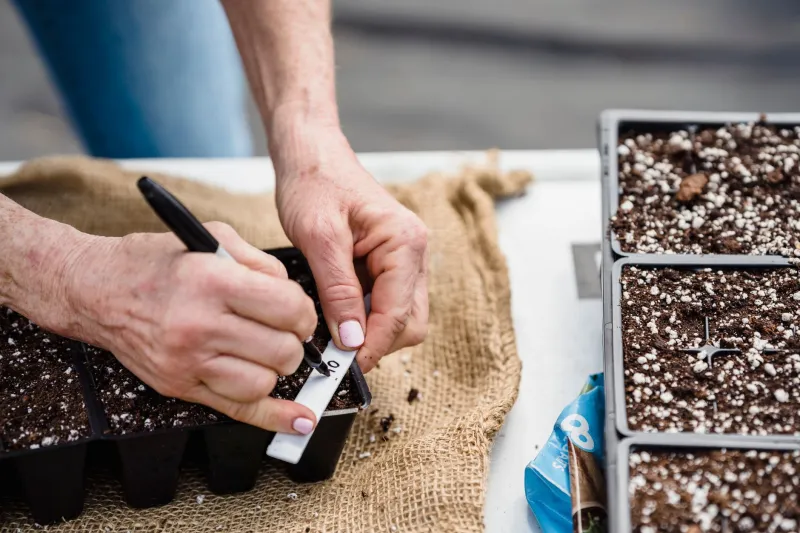
Hot peppers need a long growing season, so start seeds indoors 8–10 weeks before your last expected frost date. Use a good seed-starting mix in small cells or trays, keep the soil consistently warm (a heat mat helps a lot here — peppers really want soil temps around 80–85°F to germinate well), and be patient. Germination can take 10–21 days depending on the variety.
Once seedlings have two sets of true leaves, it's time to pot up. For most hot pepper varieties, a 3–5 gallon container is the sweet spot. Go too small and you'll stress the plant; go too large and you'll end up managing more soil than necessary. Use a well-draining potting mix — not garden soil — and add a slow-release fertilizer at planting time.
Place your containers in the sunniest spot you have. Peppers want at least 6–8 hours of direct sun daily. Water consistently but don't overdo it; peppers prefer to dry out slightly between waterings. Once the plants start flowering, switch to a fertilizer that's lower in nitrogen and higher in phosphorus and potassium to encourage fruiting over leafy growth.
Knowing When to Harvest
Here's where a lot of first-time pepper growers make a mistake: they pick too early, or they wait too long trying to get maximum heat and end up with overripe, mushy fruit.
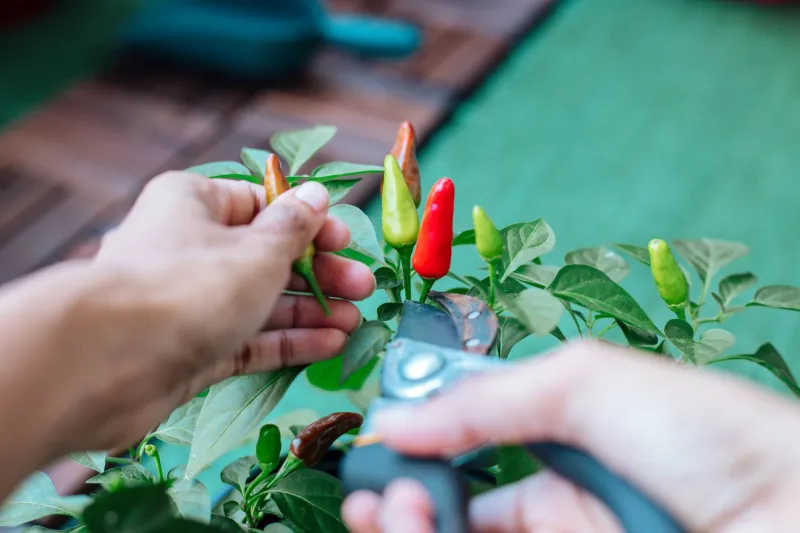
As a general rule, peppers can be harvested at any color stage, but flavor and heat develop as they ripen. Green peppers are milder and more vegetal. As they move through yellow, orange, and red (depending on variety), they get sweeter, fruitier, and often hotter. For sauce-making, fully ripe peppers typically give you the most complex flavor.
Pick regularly — even if you're not ready to make sauce yet. Frequent harvesting signals the plant to keep producing. If you let peppers sit on the plant until they start to wrinkle, you're leaving productivity on the table.
Making Your First Fresh Hot Sauce
Fresh sauces are the easiest entry point and a great way to get immediate satisfaction from your harvest. Here's a simple formula to get you started:
Basic Fresh Hot Sauce:
- 1 cup fresh hot peppers (stems removed, roughly chopped)
- 3–4 cloves garlic
- ½ cup white vinegar
- ½ teaspoon salt
- Optional: a squeeze of lime, a pinch of cumin, or a few roasted tomatillos for body
Blend everything until smooth, taste and adjust salt or vinegar, then strain if you want a thinner consistency. Store in the fridge for up to two weeks. This is your canvas — swap the vinegar for apple cider vinegar for a mellower tang, add roasted carrots for sweetness, or toss in a handful of fresh cilantro for a bright green sauce.
Going Deeper: Fermented Hot Sauce
Fermentation is what separates truly complex hot sauces from the simple stuff. The process is straightforward, but it takes patience — and the results are genuinely worth it.
Simple Fermented Pepper Mash:
- 1 pound fresh peppers, stems removed
- 1 tablespoon non-iodized salt (kosher or sea salt)
Blend or process the peppers into a rough mash, mix in the salt, and pack tightly into a clean glass jar. Press the mash down so it's below the liquid level. Cover loosely (a cloth secured with a rubber band works well) and leave at room temperature for 5–7 days, pressing the mash down daily. You'll start to see bubbles — that's fermentation doing its thing. Once it smells tangy and complex, blend with a splash of vinegar and strain to your preferred consistency.
Fermented sauces keep for months in the fridge and develop even more flavor over time.
Keeping the Sauce Going Year-Round
If you want fresh peppers in December, you have two main options: freeze your harvest (peppers freeze beautifully — just wash, dry, and toss them in a bag) or overwinter your plants indoors. A sunny south-facing window or a grow light setup will keep a pepper plant alive and even productive through the colder months.
With a little planning, your container pepper garden becomes a year-round operation — and your hot sauce shelf never runs dry.
Start with one or two varieties this season. Get a feel for the plants, experiment with a basic fresh sauce, and go from there. Once you taste the difference between something you grew and crafted yourself versus anything you'd grab off a store shelf, there's really no going back.