Stop Harvesting Too Late: The Surprisingly Narrow Sweet Spot for Peak Flavor in Your Container Garden
Here's something most gardening guides gloss over: the difference between a vegetable that's edible and one that's extraordinary often comes down to a matter of hours. Not days. Hours.
If you've been growing herbs and vegetables in containers and wondering why your homegrown stuff doesn't always taste dramatically better than the grocery store version, harvest timing might be the culprit. You put all that work into choosing the right seeds, finding the perfect pot, and keeping your plants watered through a brutal July. Don't let the finish line trip you up.
Let's get into the actual science—and the surprisingly simple cues you can use to nail it.
Why Appearance Is a Terrible Flavor Guide
We're trained to eat with our eyes. A tomato looks red, we pick it. Basil looks big and lush, we snip it. But flavor chemistry inside a plant doesn't always sync up with what the outside looks like.
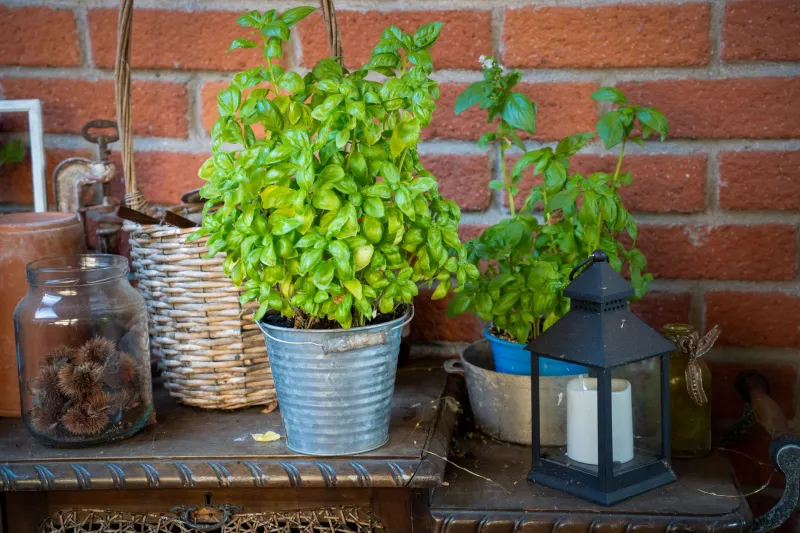
Take basil as a classic example. A big, beautiful basil plant in full bloom looks like the peak of its life. In terms of flavor, though, it's already past it. Once basil starts flowering, the plant redirects its energy from leaf production toward reproduction. The essential oils that give basil its punchy, almost peppery sweetness start to decline. You're harvesting the appearance of peak basil, but you're actually getting the tail end of peak flavor basil.
The same principle plays out across almost every culinary plant you're likely to grow in a container. Understanding what's happening chemically—and what visual or physical cues actually track those changes—is the skill that separates a good container gardener from a great one.
The Morning Harvest Rule (And Why It Actually Works)
You've probably heard that you should harvest herbs in the morning. Maybe it sounded like old-fashioned folklore. It's not.
Herbs produce their essential oils as a byproduct of photosynthesis and as a defense against heat and pests. By the time you're into a warm afternoon, those volatile oils have been partially released into the air—literally evaporating off the leaves. What's left behind is a less concentrated, less aromatic version of what was sitting on that plant at 8 a.m.
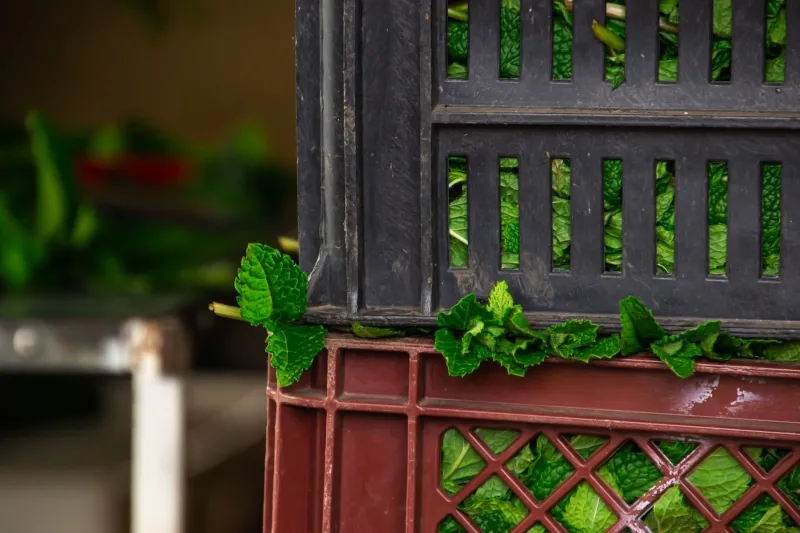
For high-impact culinary herbs like basil, cilantro, tarragon, and mint, harvesting in the morning—after the dew has dried but before the heat of the day sets in—can make a genuinely noticeable difference in flavor intensity. If you're cooking something where an herb is a star ingredient (think pesto, chimichurri, or a fresh salsa), this timing matters.
For container growers specifically, this is easy to take advantage of. Your pots are right there on the patio or balcony. Step outside with your coffee, grab what you need, and you're already ahead.
Cherry Tomatoes: The Sugar Clock Is Ticking
Cherry tomatoes are one of the most rewarding things you can grow in a container, but they're also one of the most commonly harvested too early—or, surprisingly, too late.
As a tomato ripens, starches convert to sugars. That process accelerates as the fruit fully colors up, but it doesn't stop the moment the tomato looks red (or yellow, or purple, depending on your variety). There's a short window after full color development where sugar content continues to climb before the fruit starts to soften and the skin begins to split.
The sweet spot? A cherry tomato that gives just slightly under gentle pressure, has fully developed its mature color all the way to the stem end, and comes off the vine with almost no resistance. If you're tugging, it's not ready. If it falls into your hand, it might be a touch past prime.
For container growers, checking your tomato plants daily during peak season isn't obsessive—it's just smart. A tomato that's perfect on Tuesday can be splitting by Thursday, especially if you've had rain or an uneven watering schedule.
Leafy Greens and the Bitterness Threshold
Lettuce, arugula, spinach, and other leafy greens have a flavor trajectory that most people experience accidentally rather than intentionally. Young leaves are sweet and mild. Mature leaves develop more complexity—and eventually, more bitterness.
For mild salad greens like butterhead lettuce, harvesting outer leaves when they're roughly the size of your hand gives you the best balance of flavor and tenderness. Wait until the head is fully formed and you risk bitterness, especially in warmer weather when bolting becomes a threat.
Arugula is a different animal. Its signature peppery bite actually intensifies as leaves mature, which some people love and others find overwhelming. If you're after a gentler flavor, harvest young. If you want that sharp, almost mustardy kick in a salad or on a pizza, let it go a bit longer.
In containers, you have the advantage of being able to practice cut-and-come-again harvesting—taking outer leaves regularly while the center keeps producing. This approach also keeps plants in that productive, flavorful younger-leaf stage longer than if you let them grow unchecked.
Cucumbers, Zucchini, and the Danger of Waiting
With cucumbers and zucchini, the flavor window isn't about peak ripeness—it's about avoiding over-ripeness. These crops are best when harvested young and frequently.
A cucumber left on the vine too long develops a tough skin, hollow seedy interior, and a bitterness that comes from compounds called cucurbitacins. A zucchini that was palm-sized last Monday can be the size of a baseball bat by Friday, and at that point the flesh is watery, the seeds are large and chewy, and the flavor is flat.
For container varieties—which tend to be compact and productive—check every single day once fruiting starts. Harvest cucumbers when they're firm and bright green, before any yellowing appears at the blossom end. Harvest zucchini when they're 6 to 8 inches long, no longer. You'll get more fruits overall, and every single one will taste better.
The Cue Cheat Sheet for Your Container Garden
Here's a quick reference for the crops most people are growing in pots right now:
- Basil: Harvest before any flower buds open. Pinch tops regularly to delay flowering.
- Cilantro: Harvest leaves when the plant is 6 inches tall, before it bolts. Once it flowers, flavor turns soapy and flat.
- Cherry tomatoes: Full color, slight give, releases easily from vine.
- Lettuce/salad greens: Outer leaves at hand-size for mild flavor; harvest whole heads before any bolting signs appear.
- Cucumbers: Firm, bright, no yellowing. Daily checks during peak season.
- Zucchini: 6–8 inches, no exceptions. Check daily.
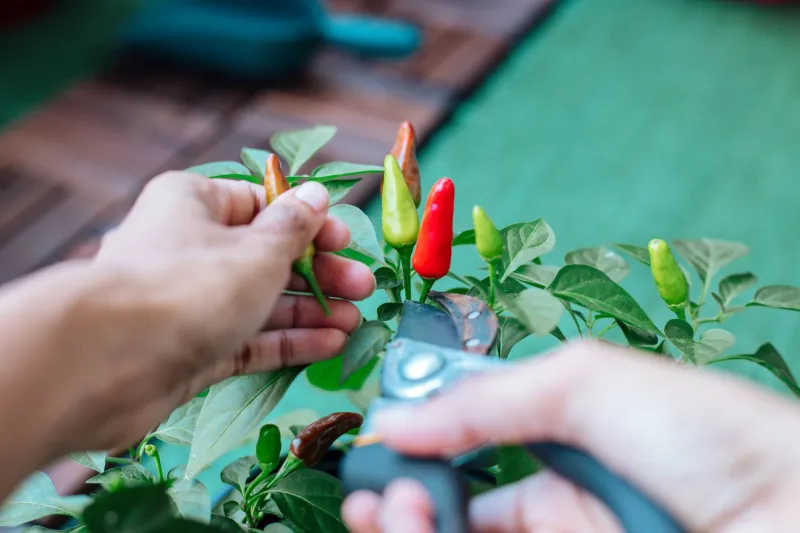
- Peppers: Depends on your goal. Green = grassy and bright. Fully colored = sweeter and more complex. Both are valid, but different flavor profiles entirely.
The Bigger Picture
Growing your own food in containers is one of the most satisfying things you can do as a home cook. But the seed-to-plate journey isn't over when you see something that looks ready. The flavor you've been working toward is waiting in a specific window—sometimes a wide one, sometimes surprisingly narrow.
Pay attention to the cues your plants are giving you beyond color. Feel the firmness. Notice the time of day. Check your tomatoes before the afternoon heat sets in. Pick your basil before it decides to become a flower. Once you start harvesting with flavor in mind instead of just appearance, the difference on your plate will be immediate—and you'll never go back to guessing.