Gone for the Weekend? How to Keep Your Container Garden Alive Without Babysitting It Every Day
Let's be honest: the fantasy version of container gardening involves a peaceful morning routine, a watering can in hand, birds chirping, coffee still hot. The reality? You forgot to water Tuesday, went to visit your sister in Columbus Thursday through Sunday, and came home to a pot of sad, crispy basil and a tomato plant doing its best impression of a tumbleweed.
This is the part nobody talks about enough. Pests get all the attention. Soil pH gets its own Reddit threads. But the single biggest reason container gardens fail—especially for people with busy, irregular schedules—is inconsistent watering. And the fix isn't willpower. It's systems.
Why Containers Are So Unforgiving About Water
When you grow in the ground, plants have some wiggle room. Soil volume is large, root systems spread out, and moisture lingers longer. In a pot, you've changed all the rules. That 10-inch container holds maybe two gallons of soil. On a hot July afternoon in Atlanta or Phoenix, that soil can go from moist to bone dry in under 24 hours.
The problem isn't just drought stress—it's the cycle. Soil that dries completely and then gets drenched, then dries again, creates a stressful environment that stunts growth, causes blossom drop in peppers and tomatoes, and makes leafy greens bolt faster than they should. Consistency isn't just convenient. It's agronomically important.
The good news: you don't need to become a different person. You need a better setup.
Start With the Soil: Build in Moisture Retention Before You Even Plant
The cheapest watering upgrade you can make costs almost nothing and happens before your seeds ever go in the ground. Amending your potting mix to hold moisture longer is the foundation of a low-maintenance container garden.
Coconut coir is one of the best amendments for this. It's a byproduct of coconut processing, holds water well without compacting, and releases moisture slowly back to roots. Mix it into your potting soil at roughly a 20–25% ratio.
Perlite does the opposite—it improves drainage—so you want both working together. Too much moisture retention without drainage leads to root rot. The goal is a mix that holds water like a sponge but never gets waterlogged.
Water-retaining granules (sometimes called hydrogel crystals or soil moisture crystals) are another option. You add a small amount dry, they absorb water and slowly release it. They're not magic, but they genuinely extend the time between waterings by a noticeable margin. Just don't overdo it—too many and your soil becomes a strange gel situation.
Self-Watering Pots: The Upgrade That Actually Changes Everything
If you're serious about reducing watering stress, self-watering containers are the single most impactful investment you can make. These pots have a water reservoir built into the base. A wicking system draws moisture up into the soil as the plant needs it—meaning your tomatoes are essentially watering themselves from below.
This method, called sub-irrigation, is particularly effective for heavy-feeding, moisture-sensitive plants like tomatoes, peppers, eggplant, and leafy greens. Plants grown in self-watering containers consistently outperform those in standard pots during heat waves and dry spells.
You can find decent self-watering pots at most garden centers and big box stores. Brands like EarthBox, Lechuza, and GreenStalk (for vertical growing) are popular with home gardeners and have solid reputations. Budget options exist too—look for basic self-watering inserts that convert regular pots into reservoir systems for under $10.
The reservoir typically needs refilling every few days rather than every day, and during cooler weather, sometimes once a week is enough. For weekend travelers, that's often the difference between a thriving garden and a funeral.
DIY Solutions for the Budget-Conscious Grower
Not ready to buy new pots? No problem. A few clever low-cost hacks can stretch your watering window significantly.
The plastic bottle drip trick is as old-school as it gets, but it works. Take a clean 1- or 2-liter plastic bottle, poke a few small holes in the cap, fill it with water, and bury it neck-down in your container soil. The water seeps out slowly over 24–48 hours. Not glamorous, but absolutely functional for a long weekend away.
Wine cork wicking systems are another DIY favorite. Thread a cotton rope or strip of fabric through a wine bottle filled with water, stick the bottle upside-down at an angle into the soil, and let capillary action do the work. It looks a little art-project-ish, but your herbs won't care.
Grouping containers together is a passive trick that's easy to overlook. When pots are clustered close together, they create a slightly more humid microclimate around each other, reducing evaporation from both the soil surface and the leaves. It won't replace watering, but it genuinely helps on hot days.
Mulching the soil surface in your containers—yes, even in pots—also slows moisture loss dramatically. A thin layer of straw, shredded leaves, or even a handful of wood chips over the top of the soil can cut evaporation by a meaningful amount.
Drip Irrigation for the Truly Committed
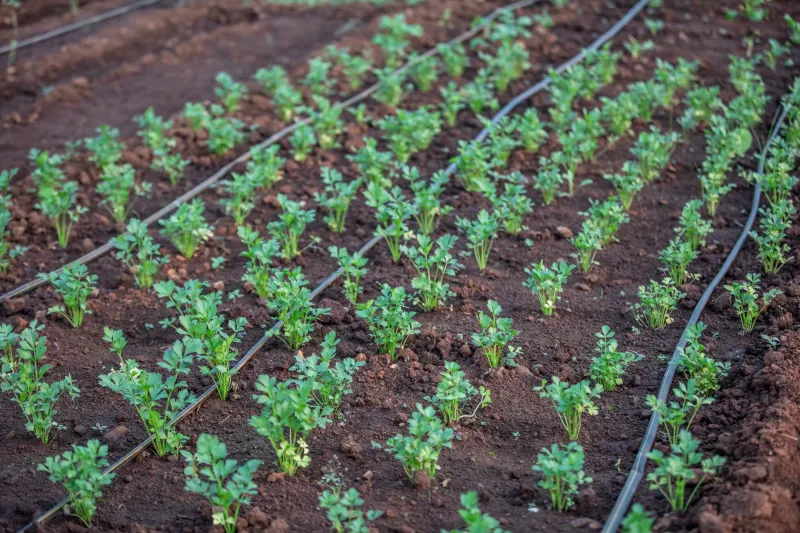
If you have multiple containers on a patio or deck and you're tired of the daily shuffle, a simple drip irrigation setup connected to a timer is genuinely life-changing. This sounds more complicated than it is.
Basic drip systems designed for container gardens are available at most garden centers and online retailers for $30–$80. You connect a main line to your outdoor spigot, run small drip lines to each pot, set a battery-powered timer, and walk away. Your garden waters itself at 6 a.m. every morning whether you're home or not.
Raindrip, DIG, and Orbit make affordable starter kits that are genuinely beginner-friendly. A Sunday afternoon is enough time to set up a system for 10–15 containers.
For apartment balcony growers without outdoor spigot access, some people connect drip systems to large water jugs or gravity-fed reservoirs, though this requires more planning and refilling.
Reading Your Plants Before a Crisis Hits
Even with systems in place, it helps to know the early signs of water stress before things get critical. Wilting in the early morning (before the sun heats things up) is a red flag—midday wilt in summer heat is sometimes normal, but morning wilt means your soil is genuinely dry. Yellowing lower leaves and dry, pulling-away-from-the-pot-edges soil are other cues to act fast.
A cheap soil moisture meter (under $15 at most garden stores) takes the guesswork out entirely. Stick it in, read the number, water if it's low. Simple.
Build the System, Then Enjoy the Garden
The whole point of growing your own food in containers is the joy of it—the fresh tomatoes, the herbs you snip right before dinner, the tiny miracle of a seed becoming something edible. That joy disappears fast when you're anxious about whether your plants survived your work trip or your weekend camping with the kids.
The answer isn't to give up container gardening. It's to set up your pots so they don't need you every single day. Start with better soil. Add a self-watering pot or two where it matters most. Grab a timer and a basic drip kit if your setup justifies it. Your plants will be happier, your harvests will be bigger, and honestly? You'll enjoy the garden a lot more when it's not a source of guilt.
Grow something delicious. Just make sure it's still alive when you get home.