What's Actually in That Bag? The Truth About Potting Mix and Why It Could Be Killing Your Seeds
You did everything right. You picked quality seeds, chose a decent pot, set it in a sunny spot, and watered consistently. But your seedlings still came up spindly, damped off, or just never showed up at all. Here's the uncomfortable truth most gardening content skips over: the problem might have been in the bag before you even opened it.
Commercial potting mixes are one of the least regulated products in the gardening world. The ingredient lists are vague by design, quality varies wildly between batches and brands, and the marketing on the front of the bag has almost zero relationship to what's actually inside. For container gardeners growing culinary herbs and vegetables — where healthy root development is everything — this is a genuinely big deal.
Let's dig in.
The Ingredient List Is Designed to Confuse You
Flip any bag of potting mix around and you'll likely see terms like "composted forest products," "aged bark fines," or "processed poultry litter." These phrases sound earthy and wholesome, but they're catch-all terms that can mean almost anything. "Composted forest products" might be well-aged wood chips — or it might be partially broken-down lumber mill waste that's still hot with nitrogen, which can literally burn seedling roots.
The truth is that potting mix manufacturers aren't required to disclose exact ratios or ingredient sources the way food companies are. You're essentially trusting the brand. And while some brands earn that trust, a lot of budget and mid-range mixes are built around whatever raw materials are cheapest at the time of production. That means the bag you bought in April might be noticeably different from the same brand you bought in July.
For seed starting specifically, this inconsistency is a serious problem. Seeds need a specific balance of moisture retention and drainage to germinate successfully. Too much peat with not enough perlite? You get a soggy, anaerobic environment where fungal pathogens thrive. Too much bark matter that hasn't fully composted? You get nitrogen drawdown as microbes continue breaking down organic material — stealing the very nutrients your tiny seedlings need.
The Fertilizer Trap
One of the sneakiest marketing moves in the potting mix world is the "feeds plants for up to X months" claim. Sounds great, right? The problem is that those slow-release fertilizer pellets — usually synthetic — are calibrated for established plants, not germinating seeds.
High fertilizer concentrations in the root zone of a just-sprouted seedling can cause salt stress, which draws moisture out of the root cells instead of into them. You'll see this show up as brown, curling leaf edges, stunted growth, or seedlings that sprout and then just... stop. It looks like underwatering. It's often actually fertilizer burn.
If you're starting seeds — tomatoes, peppers, basil, cilantro, or any other culinary plant you're planning to grow in containers — look for mixes that are explicitly labeled as seed-starting formulas, or mixes that list little to no added fertilizer. You can always feed later. You can't un-burn a seedling.
What a Good Potting Mix Actually Looks Like
Once you know what to avoid, it's easier to spot what you actually want. Here's a quick field guide to reading those ingredient labels with fresh eyes:
Peat moss or coco coir — These are your primary moisture-retention components. Coco coir is the more sustainable option and tends to have a more neutral pH, which is helpful since peat is naturally acidic. Both are fine; just know that peat-heavy mixes may need lime added to balance pH for vegetables.
Perlite or pumice — These are the white or gray chunky bits that improve drainage and prevent compaction. You want to see these listed. A mix without them is going to compact over time, suffocating roots in a container.
Compost — Genuinely composted material (not just "forest products") adds beneficial microbial life and slow-release nutrients. This is a good thing, as long as it's fully finished compost. Unfinished compost introduces pathogens and can heat up in your pot.
Wetting agents — Some mixes include surfactants to help dry mix absorb water evenly. These are generally fine, but they can degrade over time, which is one reason a bag that's been sitting in a warehouse or store for months may behave differently than a fresh one.
What you don't want: Excessive synthetic fertilizer pellets in seed-starting contexts, vague "wood products" without clarification, or anything that smells sour or like ammonia when you open the bag. That off smell usually means the composting process wasn't complete.
Building Your Own Custom Mix (It's Easier Than It Sounds)
Here's where container gardening gets genuinely fun: once you understand the components, you can build mixes tailored to exactly what you're growing. This is something commercial bags can never do for you.
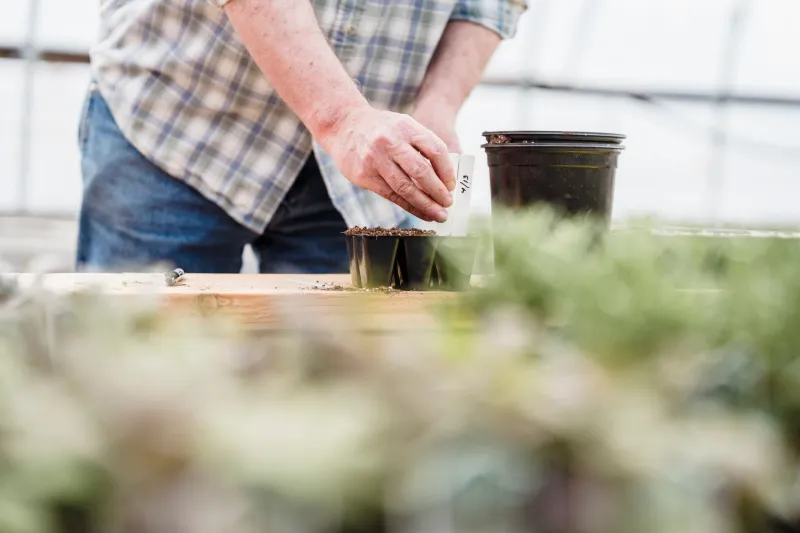
For seed starting, a simple and reliable mix is two parts coco coir to one part perlite. No fertilizer. Just clean, well-draining, moisture-retentive material that gives seeds the neutral environment they need to germinate without interference.
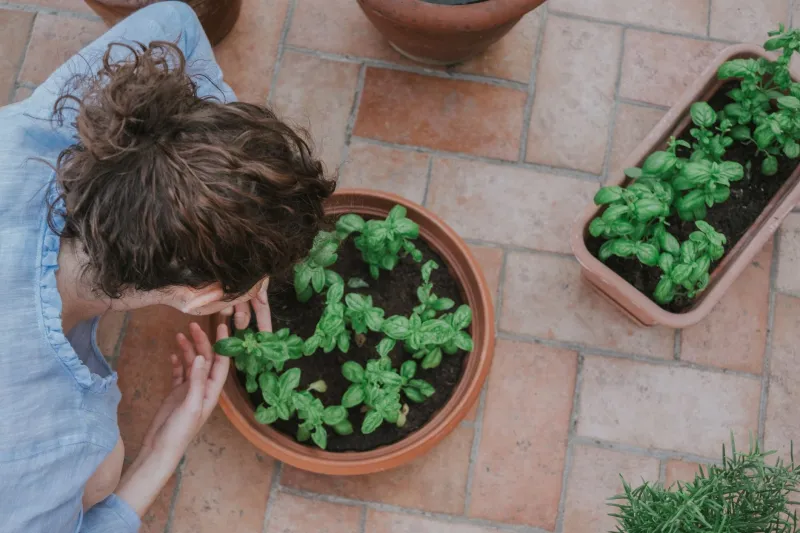
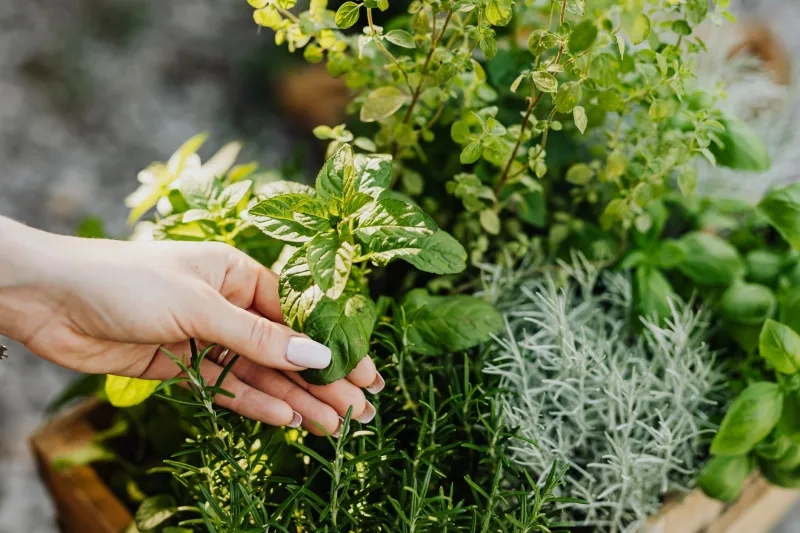
For herbs like basil, thyme, oregano, and rosemary, lean into drainage. A mix of one part coco coir, one part perlite, and one part coarse sand or pumice works beautifully. Mediterranean herbs especially hate wet feet, and most commercial mixes hold far too much moisture for them.
For heavy feeders like tomatoes, peppers, and squash, you want more organic matter and water retention. Try two parts quality compost, two parts coco coir, and one part perlite. This gives you the nutrient depth those plants need while still draining well enough to prevent root rot.
Mixing your own does require buying ingredients separately, but a bag of coco coir, a bag of perlite, and a bag of quality compost will make significantly more mix than three equivalent bags of premixed product — and you'll know exactly what's in it.
The Premium Price Doesn't Always Mean Premium Quality
One last thing worth saying out loud: expensive potting mixes are not automatically better. Some of the priciest bags on the shelf at big-box garden centers are trading on brand recognition and packaging design rather than superior ingredients. Meanwhile, a few mid-range brands consistently outperform them in actual growing tests.
The best move? Read reviews from actual gardeners, not just star ratings. Look for people describing what they grew, how it performed, and whether seedlings thrived or struggled. And when you find a mix or a combination of components that works well for your containers and your climate, stick with it. Consistency matters more than chasing the newest premium product.
Your seeds are doing their part. Make sure the soil you give them is doing its part too.