Bigger Isn't Better: The Container Size Mistake That's Quietly Ruining Your Harvest
There's a moment almost every container gardener knows well. You're standing in the garden center aisle, eyeing a row of pots, and something in your brain whispers: go bigger, just to be safe. It feels responsible. Generous, even. Like you're giving your plants room to breathe and thrive.
Here's the uncomfortable truth: that instinct is probably hurting your garden more than helping it.
Oversizing containers is one of the most common — and least talked about — mistakes among home growers. It doesn't kill plants dramatically. It just quietly undermines them, draining flavor, slowing growth, and wasting the nutrients you're spending money on. If your container vegetables have ever tasted a little flat or your herbs have seemed sluggish despite doing everything right, pot size might be the culprit nobody told you to check.
Why We Default to Bigger (And Why That's a Problem)
The logic seems sound on the surface: more soil means more room for roots, more room for roots means more growth, more growth means more food. But container gardening doesn't follow the same rules as in-ground planting, and the soil volume equation flips in ways that catch a lot of people off guard.
When you plant a small seedling in an oversized container, the root system simply can't keep up with the volume of soil surrounding it. That excess soil stays wet long after the plant has absorbed what it needs. Waterlogged zones develop around the root ball, oxygen gets pushed out, and the anaerobic conditions that follow are a welcome mat for root rot and fungal issues.
Beyond moisture, there's a nutrient availability problem. Plant roots release natural compounds that interact with nearby soil microbes to unlock nutrients. When the root-to-soil ratio is off — too much soil for too few roots — those microbial communities don't get activated efficiently. Nutrients sit in the mix, essentially locked away, while your plant shows signs of deficiency even in a freshly amended container.
The Flavor Connection Nobody Talks About
Here's where it gets really interesting for culinary growers. Mild stress is actually your friend when it comes to flavor development.
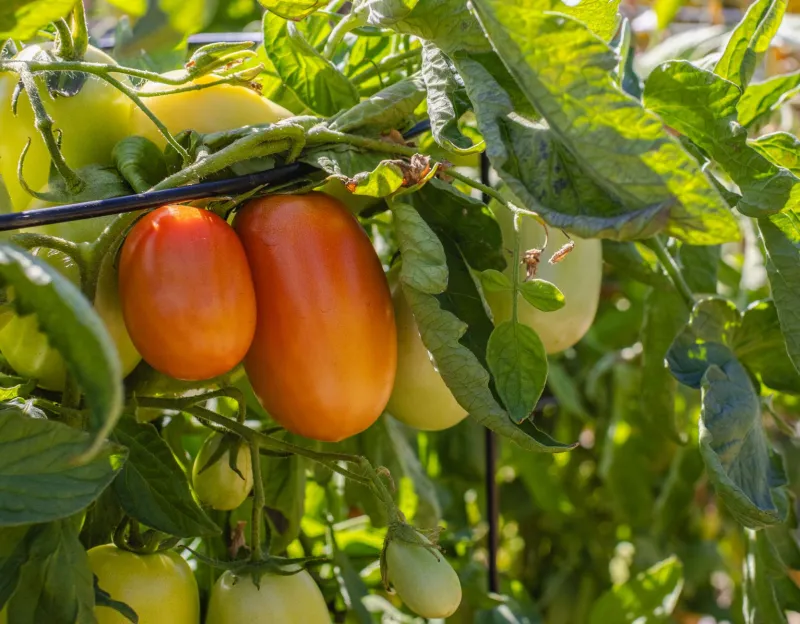
Many herbs and vegetables produce their most intense aromatic compounds — the oils, sugars, and acids that make food taste alive — in response to slightly constrained growing conditions. Basil grown a little snug develops more of those volatile oils that make it smell like a farmers market in July. Cherry tomatoes in a right-sized pot concentrate their sugars more effectively than the same variety sprawling in a 20-gallon tub with room to spare.
This isn't about torturing your plants. It's about understanding that container growing, done right, mimics the kind of productive stress that gives heirloom varieties their reputation for flavor depth. When a plant has to work a little to explore its root zone, it tends to put more energy into the parts you actually eat.
What the Root System Is Actually Telling You
Different crops have fundamentally different root architectures, and matching pot size to root behavior is where the real gains happen.
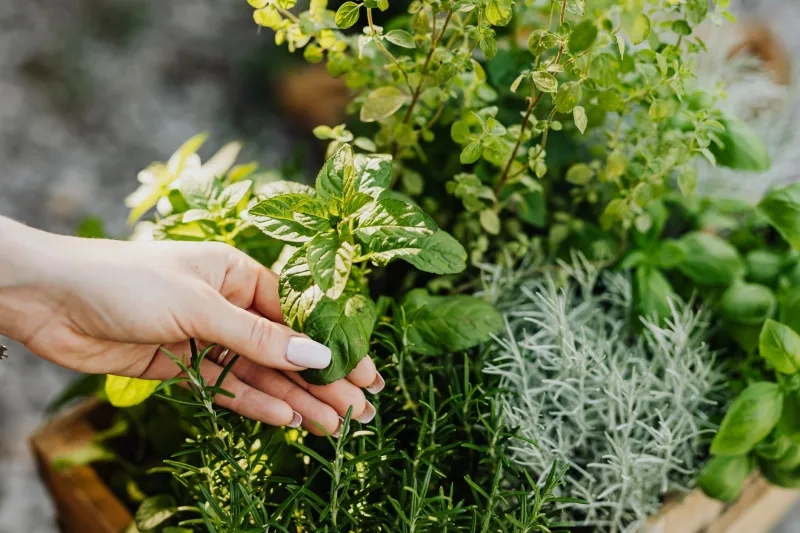
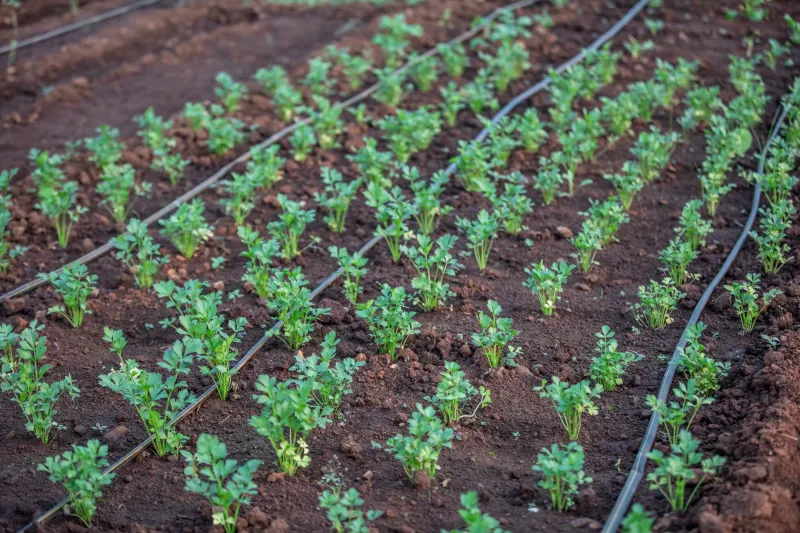
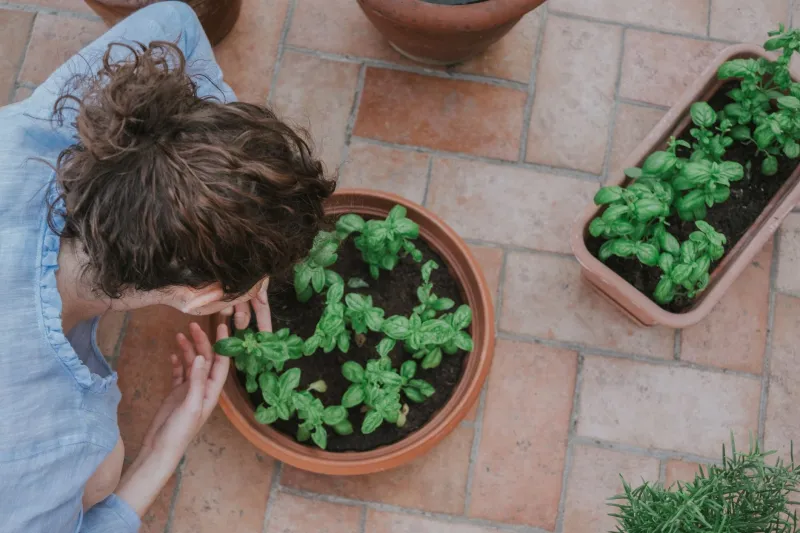
Herbs like basil, cilantro, and parsley are surprisingly shallow-rooted. Most of their active feeder roots operate in the top 6 to 8 inches of soil. A 6-inch pot is genuinely sufficient for a single basil plant. An 8-inch pot gives you room for two or three plants with good airflow. Going wider than 10 inches for a basil setup? You're just creating a moisture management problem for yourself.
Leafy greens — lettuce, arugula, spinach, mustard greens — follow a similar pattern. Their roots don't go deep; they spread laterally. A wide, shallow container (think window box style, 8 to 10 inches deep) outperforms a tall, narrow pot every time for these crops. Depth beyond 10 inches is essentially dead space that holds water and nothing else.
Determinate tomatoes, the compact bush varieties bred specifically for containers, are a different story but still often over-potted. A 5-gallon container — that's roughly a 12-inch diameter pot — is the sweet spot for most patio tomato varieties. You'll see recommendations for 15 or even 20 gallons floating around online, but those specs are built around indeterminate heirloom giants, not the compact cultivars most container growers are actually working with.
Peppers, both sweet and hot, are among the most forgiving crops when it comes to container sizing. A single pepper plant performs beautifully in a 3- to 5-gallon pot. Go bigger and you're not gaining yield — you're just adding weight to your patio and complexity to your watering schedule.
A Practical Sizing Guide for Popular Culinary Crops
Here's a straightforward reference to cut through the noise:
- Basil, cilantro, parsley: 6-inch pot per plant, 8 to 10 inches for clusters
- Chives, thyme, oregano: 6 to 8-inch pot; these are naturally compact growers
- Mint: 8 to 10-inch pot — mint spreads aggressively, so slightly more room is warranted, but keep it contained or it'll take over
- Lettuce and salad greens: Shallow window boxes, 8 inches deep minimum, as wide as your space allows
- Radishes and small root vegetables: 8 to 10 inches deep; depth matters more than width here
- Bush/patio tomatoes: 5-gallon (12-inch diameter) container
- Sweet and hot peppers: 3 to 5-gallon container
- Compact cucumbers: 5-gallon minimum, but 7-gallon is the practical sweet spot
- Green onions and scallions: Can share a 6-inch pot comfortably with 4 to 6 plants
The Exception Worth Knowing
There are a handful of crops where going bigger genuinely pays off. Indeterminate tomato varieties — the sprawling heirlooms like Brandywine or Cherokee Purple that you're trellising and pruning all season — do benefit from 10 to 15-gallon containers. Same goes for eggplant, which has a more aggressive root system than most people realize, and zucchini, which is almost always a bad idea in containers anyway but technically works in a 10-gallon or larger pot if you're committed.
The rule of thumb: if a crop is bred for container growing or naturally compact, trust the smaller pot. If it's a full-size garden variety you're adapting to containers, then yes, size up.
Rethinking Your Pot Collection
If you've got a collection of oversized containers sitting on your porch or patio, don't feel like you need to replace everything. A few practical adjustments can make a real difference. Adding a layer of coarse gravel or broken pot shards at the bottom of an oversized container can improve drainage and reduce the effective soil volume around shallow roots. Repotting into right-sized containers mid-season is more disruptive but worth it if a plant looks stalled.
Going forward, start small and watch your plants. A pot-bound signal — roots circling the drainage hole, rapid drying after watering — tells you it's time to size up. Until you see those signs, resist the urge to preemptively go bigger. Your plants, your flavor, and your water bill will all thank you for it.