You Grew It. Now What? Breaking the Weird Mental Block Between Your Pots and Your Plate
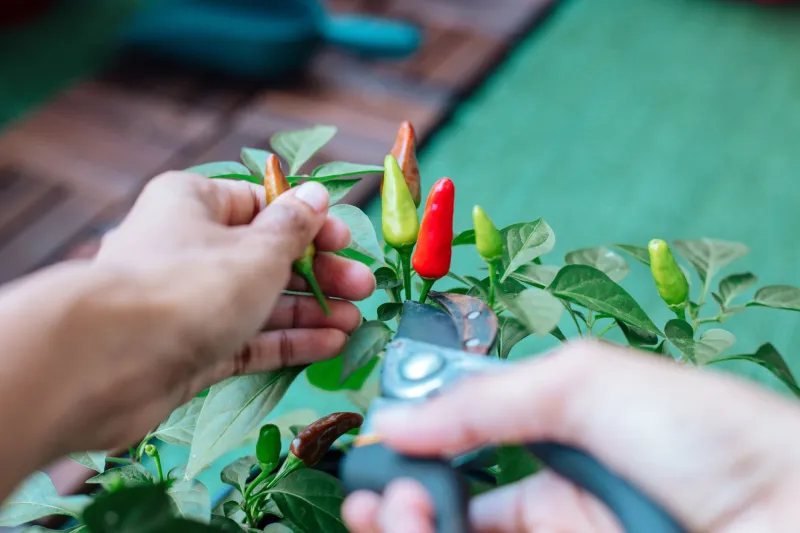
Here's a scenario that plays out on patios and balconies across America every single summer. Someone — maybe you — spends real time and real money getting a container garden going. The seeds germinate. The plants take off. By midsummer, there are tomatoes blushing red, basil threatening to bolt, and a pepper plant absolutely loaded with fruit.
And then... nothing. The tomatoes get soft. The basil flowers. The peppers shrivel on the stem. And the gardener stands there, coffee in hand, feeling vaguely guilty about the whole thing.
This isn't a rare failure. It's practically a rite of passage. And the reason it happens has almost nothing to do with gardening skill.
The Harvest Paralysis Nobody Talks About
Growing food and cooking food feel like they should be the same hobby. They're not. Gardening scratches a patient, nurturing itch. Cooking demands decisiveness. You have to pick something, commit to a recipe, and use it now — before it turns.
That tension creates what behavioral researchers call decision fatigue. When you walk out to your pots and see twelve different things that could theoretically be ready, your brain stalls. Do you pick the zucchini today or wait until tomorrow? Is that eggplant actually ready, or does it need another week? What are you even going to make?
For a lot of container gardeners, the easier answer is to go inside and order pizza. And the produce sits.
The fix isn't a better recipe collection. It's changing how you think about the harvest moment itself.
The Unfamiliar Variety Problem
Here's another wrinkle that doesn't get enough airtime: a lot of container gardeners — especially the ones drawn to heirloom and specialty seeds — end up growing things they've genuinely never cooked before.
You planted a Cherokee Purple tomato because the description sounded incredible. Now it's ripe, and it looks kind of weird, and you're not totally sure if that greenish shoulder is normal or a sign that something went wrong. You wanted to try a Jimmy Nardello pepper because you read it was sweet and amazing, but now you're holding a handful of them and you have absolutely no idea where to start.
This is intimidation masquerading as procrastination. The produce waits while you wait to feel more confident. Neither thing happens.
Specialty varieties — the exact kinds that container gardeners tend to love — often have the least recipe support online. You can find a thousand ways to use a Roma tomato. Finding a solid weeknight use for a Mortgage Lifter takes a little more digging. That friction adds up.
The "Save It for Something Special" Trap
There's also a sentimental factor at work that's honestly kind of beautiful and kind of destructive at the same time.
When you've grown something from seed — watched it germinate on your windowsill, transplanted it, kept it alive through a heat wave — it starts to feel precious. Too precious, sometimes, to just throw in a weeknight pasta.
So you wait. You want to make something worthy of the effort. A dinner party, maybe. A special occasion. Something that does justice to the work you put in.
But produce doesn't wait for special occasions. It peaks and then it doesn't. The window between "perfectly ripe" and "compost pile" in a container garden is genuinely short — pots heat up faster than ground soil, which accelerates ripening and decline. That heirloom tomato you were saving for the weekend is going to be mealy by Saturday.
The most respectful thing you can do for something you grew is eat it at its best, even if that's a Tuesday.
Rethinking the Whole Relationship
The container gardens that actually feed people — the ones where the pots and the kitchen are genuinely connected — tend to operate on a different mental model.
Instead of growing first and figuring out the cooking later, the most successful pot-to-table gardeners start with the meal. What do you actually cook on a regular Tuesday? What herbs do you reach for? What vegetables do you actually buy at the store?
That's your planting list.
This sounds obvious, but it cuts directly against how most people approach seed shopping. We browse, we get excited, we plant the things that sound amazing. And then we harvest a pile of tomatillos and realize we've never actually made salsa verde from scratch and now we're in over our heads.
There's nothing wrong with growing adventurously — that's half the fun. But anchor your containers in at least a few things you already know how to use. Basil if you make pasta. Cilantro if you cook a lot of Mexican food. Cherry tomatoes if you eat salads. Build from the familiar outward.
Small Habits That Actually Bridge the Gap
Beyond the mindset shift, a few practical habits make a real difference in whether your harvest gets eaten.
Walk your pots with a bowl, not just your eyes. When you go out to check on things, bring something to put produce in. The act of harvesting into a container — rather than just looking and leaving — changes the whole dynamic. You come back inside with ingredients instead of intentions.
Pick earlier than you think you need to. Most container-grown vegetables are at their best before they look fully ready by grocery store standards. A zucchini at six inches is better than one at ten. A pepper that's just starting to color is often more flavorful than one that's fully turned. Harvesting slightly early takes the pressure off the timing and gives you a day or two of flexibility in the kitchen.
Keep a running "use this now" list on your fridge. Literally just a sticky note. "Basil — use by Thursday. Cherry tomatoes — ready today." Externalizing that information gets it out of your head and into your cooking decisions.
Give yourself a one-ingredient challenge. When you're overwhelmed by a big harvest, pick one thing and cook something — anything — with just that. A handful of herbs folded into scrambled eggs. A bowl of cherry tomatoes roasted with olive oil and salt. Starting simple breaks the paralysis and reminds you that this stuff doesn't need to be complicated.
The Whole Point of the Pots
Container gardening is genuinely one of the most accessible ways to reconnect with where food comes from. A pot of herbs on an apartment balcony, a couple of tomato plants on a back porch — these things have real power to change the way you eat, the way you cook, and the way you think about food.
But only if the food makes it inside.
The gap between the pot and the plate isn't a gardening problem. It's a human problem — a tangle of hesitation, ambition, and mismatched expectations. Naming it is most of the battle. Once you see it for what it is, you can stop waiting for the perfect moment and just make dinner.
Your plants did their part. Now it's your turn.