One Pot, One Bowl: Building a Container That Ripens All Four Salsa Ingredients at Once
Photo: Petar Milošević, CC BY-SA 4.0, via Wikimedia Commons
Salsa looks like a recipe. It's actually a scheduling problem. Four ingredients, four different clocks: tomatoes want roughly 65 days from transplant, peppers want 70 to 80, cilantro bolts the moment the weather turns warm, and bunching onions need about two months to reach pencil thickness. In a garden bed, that mismatch gets absorbed by space. In a container, it shows up as a bowl of tomatoes and a sad, flowering stalk where your cilantro used to be.
The fix isn't a bigger pot. It's picking varieties whose clocks line up, then staggering the one crop that refuses to cooperate.
Pick Varieties That Finish Together
This is where most container salsa plans fall apart — not at harvest, but at the seed rack. A full-size beefsteak in a 20-gallon pot will set fruit in September and ripen half of it before frost. You want compact, early, and determined.
| Ingredient | What to grow | Why |
|---|---|---|
| Tomato | 'Tiny Tim', 'Orange Hat', 'Patio Choice Yellow', or 'Bush Early Girl' | Determinate or micro-dwarf habit; 50–65 days from transplant; fruit ripens in a concentrated window instead of dribbling out |
| Pepper | 'Jalapeño', 'Fresno', 'Padrón', or 'Cherry Bomb' | Compact plants that set heavily and can be picked green at 50–55 days or left to redden |
| Cilantro | 'Santo' or 'Calypso' | Slow-bolt types buy you two or three extra weeks before flowering |
| Bunching onion | 'Evergreen Hardy White', 'Nabechan', or 'Guardsman' | Slender scallions, 60–70 days from seed, happy at the rim of a shared pot |
Skip tomatillos unless you're planting two — they need a partner for pollination, and that's a different pot and a different problem.
One Big Pot or Three Smaller Ones?
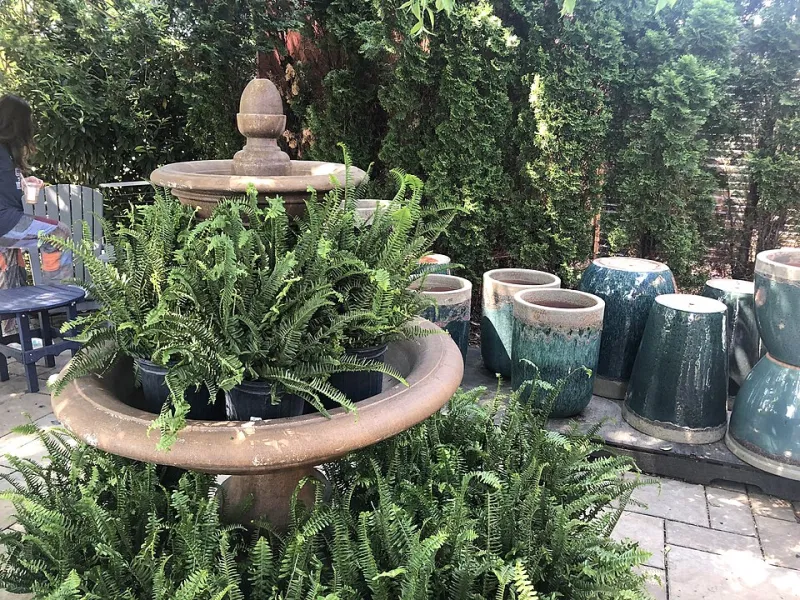
Both work. A single 25- to 30-gallon pot reads as a statement piece on a patio and shares water and mulch. A trio is easier to manage: a 20-gallon pot for the tomato, a 5-gallon for peppers, and a 5-gallon for cilantro and onions.
I lean toward the trio, and the reason is cilantro. It wants cooler soil and afternoon shade; tomatoes want full sun and steady moisture. Separating them means you can move the cilantro pot behind a chair in July without dragging the tomato along.
Whichever way you go:
- Use a pot with real drainage holes. Salsa ingredients rot faster than they ripen in a swampy pot.
- Fill with a quality potting mix cut with about a quarter compost by volume. Garden soil in a container compacts into brick.
- Add a slow-release organic fertilizer at planting and a calcium source — crushed eggshell is folk medicine, but gypsum or a tomato-formulated feed actually helps head off blossom end rot.
- Mulch the surface. Bare mix in July dries out in a morning.
Spacing a Pot That Has to Feed a Bowl
In a single large container, put the tomato at the back or center with a sturdy stake or a small cage, then set two pepper plants at opposite rims, roughly 10 inches apart. Run a ring of bunching onions around the front edge, sown thick and thinned to an inch apart — you'll pull them as scallions, so tight spacing is fine. Tuck cilantro into one corner and plan to replace it.
Don't crowd the pepper feet against the tomato stem. Airflow is what keeps container plants off the fungicide shelf.
Cilantro Is the Weak Link — Succession Sow It
Everything else in this pot will wait for you. Cilantro won't. Once soil temps push past the mid-70s, it decides its life's work is flowers.
Sow cilantro every 18 to 21 days, starting about two weeks before your last frost date and continuing through mid-July. In a 5-gallon pot, that's a pinch of seed in one quadrant each round. Give it afternoon shade if you can. Harvest by cutting the whole plant an inch above the soil rather than plucking leaves — you'll get one big flush instead of a slow decline.
And let a plant or two flower on purpose. The flowers feed beneficial wasps, and the green seed — coriander — is genuinely good in salsa.
The Harvest Plan
Here's the sequence for a Zone 6 garden, where last frost lands around early May:
- Late June: first green jalapeños, first scallions, cilantro flush number one. This is salsa number one, and it's green.
- Early to mid-July: tomatoes start coloring. Chop green tomatoes with the peppers and cilantro for a tart, crunchy salsa that most people have never made.
- Late July through August: ripe tomatoes, red peppers if you left them, second and third cilantro sowings, and scallions you can pull by the handful. This is the bowl you were picturing.
- September: the pot slows down but doesn't quit. Green tomato salsa again, and the last peppers.
Shift the whole calendar about two weeks earlier in Zones 7–8 and two to three weeks later in Zones 4–5. In Zones 9–10, flip it: plant in fall and harvest through winter, because summer will cook the cilantro before it's knee-high.
What You'll Still Be Buying
Garlic. It wants to be planted in October and dug in July, and it does not want to share a pot with a tomato. Buy a head at the market and don't feel bad about it. Same for limes, salt, and cumin.
Everything else — the tomatoes you watched color up, the peppers you picked green because you couldn't wait, the cilantro you cut a minute before chopping — comes out of one container on your patio. That's the whole point.