Your Garden Doesn't Have to Stay Behind: Moving a Container Garden Across State Lines
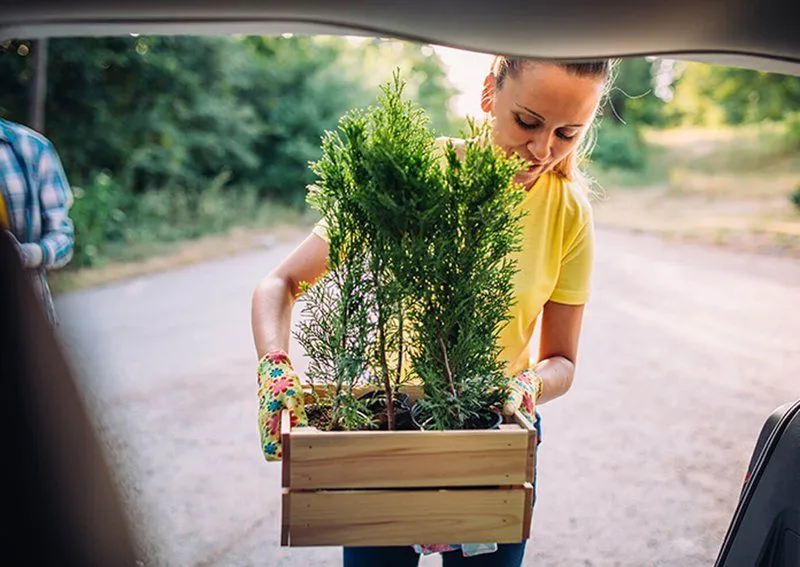
Photo: person packing potted plants into car for moving trip, via i.pinimg.com
Here's an opinion I'll defend anywhere: if you rent, container gardening isn't a compromise — it's the superior form of gardening. Garden beds are the only asset class you can invest five years of sweat into and then abandon at the closing table. A container garden, by contrast, is portable wealth. It rolls with you.
I've moved a potted garden three times, once across four state lines, and I can tell you the plants care far less about the trip than you'd think. What they can't survive is careless prep. So let's talk logistics.
Which Plants Are Road Warriors
Some crops shrug off a move; others sulk for weeks. From experience and plenty of trial and error:
Travel like champs: Herbs (rosemary, thyme, sage, oregano), peppers, chard, kale, and established perennials in pots. Succulents could cross the country in a shoebox and never notice.
Handle it with care: Tomatoes mid-fruiting and full-size lettuces are fragile — they'll drop fruit and wilt dramatically, but most recover in a week or two.
Leave behind or reseed: Root crops (carrots, beets) and anything in peak delicate production. Radish seeds cost $2; your sanity on moving day is worth more.
If a move falls in your shoulder season — early spring or fall — you can genuinely relocate almost everything. A July move to Phoenix in a hot truck? Cut your losses and start seeds at the new place.
The Breakdown, Step by Step
Two weeks out: Stop fertilizing and prune back leggy growth by a third. A slightly hungry, compact plant travels better than a lush, top-heavy one.
Three days out: Water deeply, then let pots drain fully. Wet soil is heavy — a 14-inch pot can weigh 30-plus pounds — and soggy roots sloshing around in transit invites rot.
Moving day: Wrap pots in bubble wrap or old towels and nestle them snugly in boxes so they can't tip. For the car ride, keep the most valuable plants in the climate-controlled cabin, not a hot trailer. Tall plants get loosely staked; a tomato cage wrapped in burlap does double duty as armor.
Never move soil with pests or disease issues — if a pot's contents look sketchy, dump the soil and travel with the plant root-balled in damp paper.
Re-Establishing in a New Zone
Here's where it gets interesting. Your USDA hardiness zone might shift by two or three numbers, and your plants will notice before you do.
First, resist the urge to plant everything immediately. Give potted plants a week in a sheltered spot — a porch, dappled shade — to adjust to new light angles, humidity, and wind patterns. A basil that thrived in muggy Ohio might scorch in dry Colorado sun until it hardens off.
Second, recalibrate your watering instincts. Desert air wicks moisture from pots astonishingly fast; the Pacific Northwest means the opposite problem. Stick a finger in the soil daily for the first two weeks and let the plants, not your old routine, set the schedule.
Third, check the local frost dates before assuming anything about timing. Your tomato might arrive in zone 9 with months of season left, which feels like a gift — because it is.
The Bigger Point
Renters are told, implicitly, that gardening is something you do when you've settled down. Nonsense. A container garden is the most honest kind of garden: it goes where you go, adapts to whatever soil you can buy in a bag, and asks nothing of a landlord but a sunny spot. When the moving truck pulls away, your garden should be riding shotgun.