Your Own Seed Library Starts Here: How to Save, Swap, and Grow Smarter Every Season
Let's be honest — buying seeds every spring adds up fast. A packet here, a variety there, and suddenly you've spent $40 before you've even filled a single pot. But here's the thing most new gardeners don't realize: the seeds you need next year are probably already sitting in your best-performing plants right now, just waiting to be collected.
Building a personal heirloom seed library isn't complicated, and it doesn't require any fancy equipment. What it does require is a little patience, some basic know-how, and the willingness to think of your garden as something that keeps giving — season after season, year after year.
Why Heirloom Seeds Are Worth Saving in the First Place
Not all seeds are created equal when it comes to saving. Hybrid varieties — the kind labeled "F1" on most commercial packets — won't reliably reproduce their parent plant's traits. You might get something close, or you might get something completely unpredictable. Heirloom varieties, on the other hand, are open-pollinated, which means the seeds they produce will grow into plants that look, taste, and behave almost exactly like the ones you harvested from.
That consistency is the whole point. When you save seeds from a cherry tomato that thrived in your third-floor apartment balcony through a scorching July, you're essentially capturing a plant that already knows how to handle your specific conditions. Do that for a few seasons in a row, and you've got a strain that's quietly adapting to your microclimate. That's something no commercial seed company can sell you.
Getting Started: The Easiest Seeds to Save from Container Plants
If you're brand new to seed saving, start with plants that make it easy on you. These are solid beginner picks for container gardeners:
Tomatoes — Let one or two fruits go past peak ripeness on the vine. Scoop out the gel-covered seeds into a small jar of water and let them ferment for two to three days. This process breaks down the coating that can inhibit germination. Rinse well, spread on a paper plate or coffee filter to dry completely, then store in a labeled envelope.
Peppers — Even easier than tomatoes. Let a pepper ripen fully (past the green stage, usually to red, orange, or yellow). Slice it open, scrape the seeds onto a paper towel, and let them air dry for a week or two. Done.
Beans and peas — These might be the most forgiving seeds to save. Just leave a few pods on the plant until they're dry and papery, then shell them out and store. Pole beans in a container work especially well since you can easily keep an eye on which pods are ready.
Basil and other herbs — Let a few stems bolt and go to flower. Once the flower heads dry out, snip them into a paper bag and shake. You'll be surprised how many seeds fall out.
Lettuce — Allow one or two heads to bolt in late spring. The plant will shoot up a tall stalk covered in tiny yellow flowers that eventually become seed heads. When they start to look fluffy and dry, snip the whole stalk into a bag.
Drying and Storing: Don't Skip This Part
Moisture is the enemy of stored seeds. Even a small amount of residual dampness can cause mold, which ruins an entire batch. After cleaning your seeds, spread them out in a single layer somewhere warm and dry — not in direct sun — for at least one to two weeks. A countertop away from your stove works well.
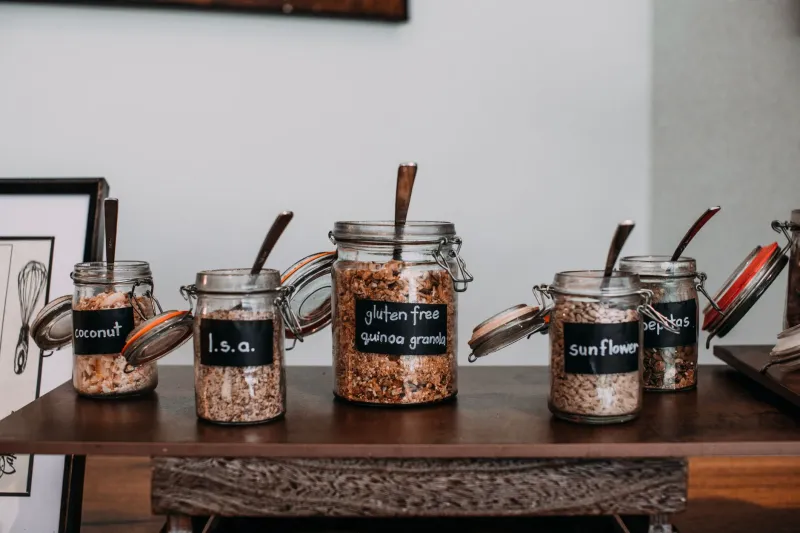
Once they're fully dry, store them in small paper envelopes (coin envelopes from an office supply store are perfect), labeled with the variety name, the date, and any notes you want to remember — like "produced tons in a 5-gallon bucket" or "great flavor, slow to germinate."
Keep your envelopes in a sealed glass jar in a cool, dark location. A cabinet away from heat sources is fine. Some gardeners toss in a small silica gel packet to absorb any remaining moisture. Most vegetable seeds stay viable for two to five years when stored properly, though germination rates do decline over time.
The Economics Are Hard to Argue With
Here's a quick reality check on the numbers. A single packet of heirloom tomato seeds typically runs $3 to $5 and contains maybe 20 to 30 seeds. One healthy tomato fruit can yield 50 to 100 seeds or more. Save seeds from just three or four fruits at the end of the season and you've got enough to plant your entire patio setup next year — plus plenty to share.
Over time, those savings stack. A gardener who saves seeds from five or six varieties each year can realistically stop buying most of their seeds within two to three seasons. The upfront cost is minimal: some envelopes, a few mason jars, and a permanent marker. That's it.
Seed Swaps: Where Your Collection Really Takes Off
Saving your own seeds is great, but swapping them is where things get genuinely fun. Seed swaps — whether they happen at a local library, community garden, farmers market, or online — let you trade your extras for varieties you've never tried, often for free.
In the US, seed libraries have become increasingly common at public libraries, especially in cities with active gardening communities. Places like Portland, Austin, Denver, and Asheville have well-established networks. But even smaller towns often have informal swaps organized through local gardening clubs or Facebook groups. Search "seed swap [your city]" and you might be surprised what comes up.
Online communities are just as active. Sites like Seed Savers Exchange (based in Decorah, Iowa) and various Reddit communities dedicated to gardening regularly facilitate trades by mail. The etiquette is usually simple: label your seeds accurately, include the year they were saved, and be honest about germination rates if you know them.
When you show up to a swap with well-labeled, properly stored seeds from plants that actually performed well in your containers, you become a valuable trading partner. People remember the gardener who brought the basil that actually survived a hot, dry summer on a rooftop patio.
Keeping Track Without Overthinking It
You don't need a spreadsheet to manage a seed library, though some gardeners love that kind of organization. A simple index card box with dividers by plant type works just as well. Jot down where you got each variety, when you saved it, and how it performed. Over a few years, you'll have a personal growing record that's genuinely useful — not just for planting, but for knowing which varieties to prioritize saving again.
The goal isn't perfection. It's building something that works for you — your balcony, your window boxes, your five-gallon buckets, your climate, your taste buds. That's a seed library no store can replicate.
Start this season with just one or two plants. Save the seeds. Label them. See how they do next year. That's all it takes to begin something that could end up feeding you for years to come.