Does Size Really Matter? Matching the Right Pot to Every Vegetable and Herb You Want to Grow
Let's be honest: when most people start container gardening, pot selection goes something like this — find something that holds dirt, drop a seed in, hope for the best. And sometimes that works! But more often, undersized containers stunt root development, oversized ones hold too much moisture and invite root rot, and the harvest suffers either way.
The good news is that container sizing isn't complicated once you understand what each plant actually needs underground. Root depth, water retention, and airflow all play into the equation — and once you match the pot to the plant, everything else gets a lot easier.
Why Container Size Is More Than Just a Space Issue
A plant's root system is its engine. Roots pull in water and nutrients, anchor the plant, and in many cases directly influence how much fruit or foliage the plant produces above the soil line. When roots hit the wall of a container and have nowhere to go, the plant gets stressed. That stress shows up as slow growth, poor fruiting, early bolting in greens, and in some cases, off-flavors in herbs.
On the flip side, an oversized container isn't automatically better. A small basil seedling in a giant pot means a lot of wet, unoccupied soil — which can stay soggy between waterings and create conditions where fungal issues take hold.
The goal is a fit that's snug but not tight — room to grow without excess.
The Depth Factor: What's Actually Happening Below the Soil Line
Before matching specific vegetables to pots, it helps to think in terms of root depth categories:
Shallow rooters (6–8 inches deep): Herbs, lettuce, radishes, most greens Medium rooters (10–14 inches deep): Bush beans, kale, chard, peas, peppers Deep rooters (16–24+ inches deep): Tomatoes, cucumbers, eggplant, zucchini, carrots
When you're shopping for containers, the listed depth on the product matters more than the diameter for many crops. A wide, shallow planter is great for a salad mix. That same planter will starve a tomato plant.
Matching Crops to Containers: The Practical Breakdown
Tomatoes
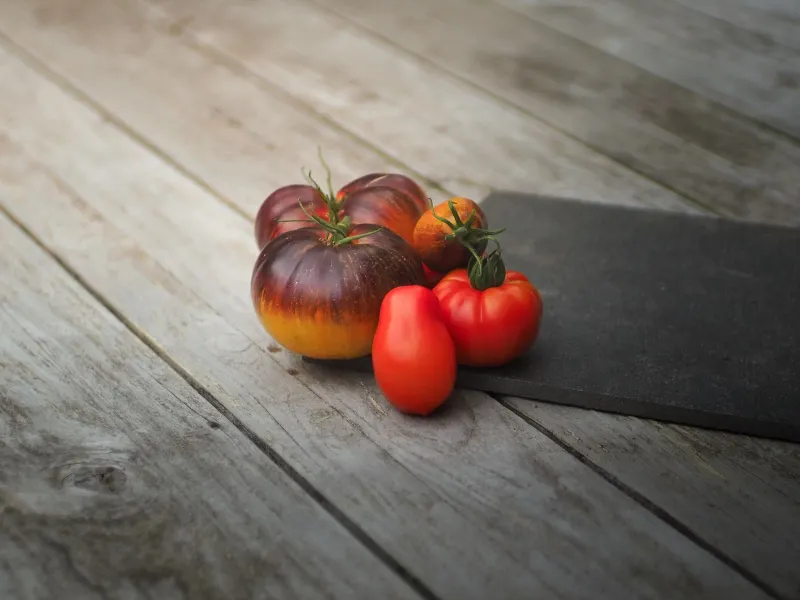
This is where most container gardeners underestimate. Tomatoes — especially indeterminate (vining) varieties — are heavy feeders with aggressive root systems. You want a minimum of 5 gallons for compact determinate varieties like 'Patio' or 'Tumbling Tom.' For full-size heirlooms like 'Brandywine' or 'Cherokee Purple,' go with 10–15 gallons or more.
A standard 5-gallon bucket (the kind from any hardware store) is a perfectly legitimate tomato container — it's roughly 11–12 inches deep and wide enough for one plant. Drill drainage holes in the bottom and you're set.
Undersized tomato containers are one of the top reasons home growers get small, mealy fruit. The plant can't access enough nutrients or water to support proper fruit development, no matter how often you fertilize.
Peppers
Sweet bells and hot peppers are a bit more forgiving than tomatoes but still need room. A 3–5 gallon container (10–12 inches deep) works well for most pepper varieties. Compact hot peppers like 'Thai Hot' or 'Lemon Drop' can even get by in a 2-gallon pot if drainage is solid.
Peppers like warmth, so dark-colored containers that absorb heat can actually boost yield in cooler climates — a nice bonus when you're working with limited space.
Cucumbers and Zucchini
These are space hogs, full stop. Cucumbers grown vertically on a trellis need at least a 5-gallon container per plant, and something in the 7–10 gallon range gives them room to really perform. Zucchini plants are large and thirsty — give them at least 10 gallons and a pot wide enough (14–18 inches) to support the spread of their leaves.
For balcony growers with tight space, compact bush varieties like 'Bush Pickle' cucumbers or 'Patio Star' zucchini are worth seeking out. They're bred specifically for container life.
Leafy Greens and Salad Crops
This is the sweet spot for small-space growers. Lettuce, arugula, spinach, and most salad mixes are perfectly happy in containers as shallow as 6–8 inches deep. A standard window box (24 inches long, 6 inches deep) can support a productive cut-and-come-again salad garden.
Kale and chard, which grow larger, prefer 10–12 inch depth and at least a 2-gallon volume per plant.
Herbs
Herbs are wonderfully adaptable, but they're not all the same:
- Basil: 6–8 inch pot minimum; prefers warmth and good drainage
- Mint: At least a 12-inch-wide container — and keep it isolated. Mint will take over anything it shares a pot with.
- Rosemary: Deep-rooted and drought-tolerant; goes in a 10–12 inch deep pot with excellent drainage
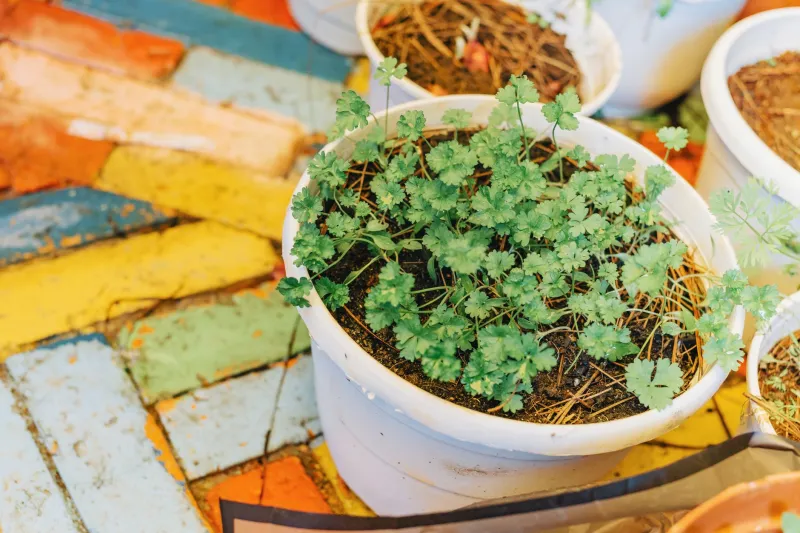
- Chives, parsley, cilantro: All do fine in 6–8 inch containers
- Thyme and oregano: Shallow-rooted; 6-inch depth works, but they need very good drainage and airflow
Root Vegetables
Carrots, beets, and radishes are often overlooked for container growing, but they do great — if you give them enough depth. Radishes are the exception; they're done in 6 inches. But carrots need at least 12 inches of depth, and longer varieties like 'Imperator' need 16+ inches. Stick with shorter varieties like 'Chantenay' or 'Danvers' for most containers. Beets are happy in 10–12 inches.
Budget-Friendly Container Alternatives
You don't need to spend a fortune on fancy ceramic planters or branded grow bags. Some of the most productive container gardens in the US are built around:
- 5-gallon buckets from hardware stores (~$5 each; great for tomatoes and peppers)
- Fabric grow bags (inexpensive, excellent airflow, prevent root circling — a real advantage over plastic)
- Wooden wine crates (line with burlap for drainage; charming and functional for herbs)
- Galvanized stock tanks (pricier upfront but long-lasting; ideal for large mixed plantings)
- Foam coolers (surprisingly good insulation; drill drainage holes and use for a season or two)
The one non-negotiable across all of these: drainage holes. No matter how perfect the container size, waterlogged soil will kill most vegetable crops.
The Drainage Detail Nobody Talks About Enough
Drainage isn't just about having holes at the bottom — it's about the whole soil column. Heavy potting mixes in deep containers can stay wet at the bottom even when the top looks dry. For deep containers (12 inches or more), consider adding a layer of coarse perlite at the bottom third, or mixing perlite throughout your potting mix at roughly a 20–25% ratio.
And skip the gravel-at-the-bottom trick — research has consistently shown it actually creates a perched water table that keeps moisture higher in the pot, not lower.
One Last Thought: Start Snug, Then Upsize
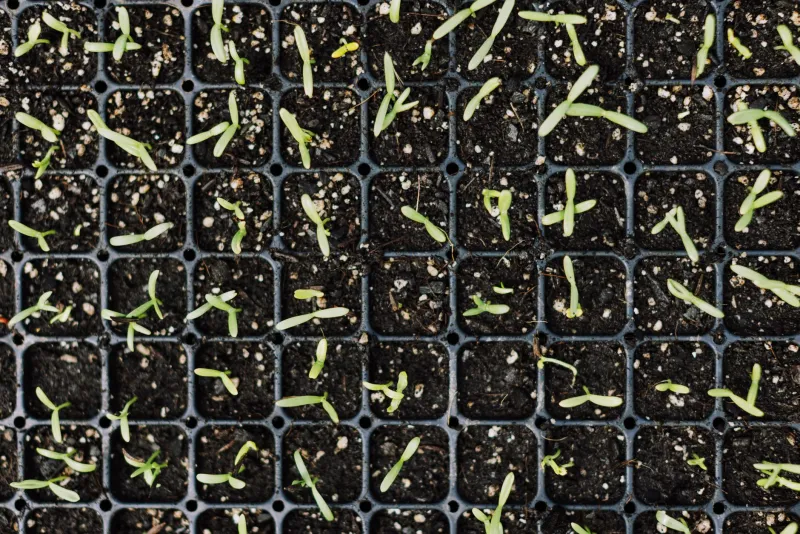
If you're starting plants from seed (which, at All Pot Seeds, we're obviously fans of), begin in small cells or 2–3 inch pots, then transplant up as the plant develops. Starting a tiny seedling in a huge container isn't a head start — it's a recipe for damp, slow-draining soil that discourages root development.
Match the pot to where the plant is right now, and upgrade as it grows. Your plants will reward you with stronger roots, better flavor, and a whole lot more to harvest.