Grow It, Pot It, Gift It: How to Turn Seeds Into the Most Thoughtful Present in the Room
Somewhere between a generic candle and a gift card sits a category of present that most people don't think to give: something alive. Something that was grown with care, packaged with personality, and comes with a little story attached. A potted plant you grew from seed isn't just a gift — it's an experience the recipient gets to continue.
And right now, a quiet movement of home gardeners across the US is leaning into exactly this idea. They're growing heirloom herbs for hostess gifts. They're potting up decorative edibles for wedding favors. They're tucking seed packets and handwritten growing notes into birthday bags alongside something small and rooted. It's thoughtful in a way that Amazon can't replicate.
Here's how to do it well.
Choosing the Right Seeds for Gifting
Not every plant makes a great gift. You want varieties that are visually appealing, practically useful, and — critically — sturdy enough to survive the journey from your house to someone else's.
Heirloom herbs are a natural starting point. They come with stories, which automatically makes them more interesting than a generic grocery store herb pot. Consider Genovese basil, an Italian heirloom with a rich history and the kind of fragrance that stops people in their tracks. Or lemon balm, which has been grown in American gardens since colonial times and makes a lovely tea. Spilanthes (sometimes called the toothache plant) is a conversation-starter with its unusual button-like flowers and a mild numbing sensation on the tongue — bizarre and delightful in equal measure.
Compact, slow-to-bolt varieties work best for gifting because they stay attractive longer. Look for dwarf or bush varieties of basil, compact thyme cultivars, and miniature rosemary plants that stay tidy in a small pot. You want the recipient to receive something that looks beautiful and continues looking beautiful for weeks without requiring expert care.
Edible flowers are a sleeper hit in the gifting world. Nasturtiums are practically foolproof to grow, come in gorgeous warm tones, and the flowers are genuinely edible with a peppery kick. Violas and pansies are equally charming and useful as cake decorations or salad garnishes. These make wonderful gifts for people who love to cook but might not think of themselves as gardeners — the novelty of eating something they grew is irresistible.
Hardy peppers — particularly ornamental varieties like Medusa peppers or bolivian rainbow peppers — double as decorative houseplants and actual food. They're colorful, long-lasting in a pot, and endlessly fascinating. A small ornamental pepper plant in a painted clay pot is a genuinely striking gift.
Getting the Timing Right
This is the part that trips people up. Growing gifts from seed takes time — typically six to twelve weeks from sowing to a gift-ready plant, depending on the variety. That means you need to plan ahead.
For holiday gifts in December, start seeds in September or October. For spring weddings, start in late winter. For a summer birthday, count backward from the date and give yourself at least eight weeks, more if you're growing something slow like rosemary.
The upside of that lead time is that you can really nail the presentation. A plant you've been tending for two months feels different to give than something you grabbed off a shelf. You know its quirks. You've watched it grow. That care comes through.
Decorating Pots on a Budget
The container is part of the gift, and it doesn't have to cost much to look great.
Terra cotta pots are inexpensive and take paint beautifully. A few coats of chalk paint in a muted color, some hand-lettered text (the plant's name, a quote, the recipient's initials), and a coat of sealer makes a pot look like something from a boutique garden shop. You don't need to be an artist — simple block letters and geometric patterns are completely achievable with basic craft supplies.
Thrifted mugs, colanders, and vintage tins can make charming one-of-a-kind containers for smaller herb plants. Just make sure there's drainage or add a layer of gravel at the bottom. A mint plant in a vintage enamel mug with a handwritten tag is a gift that photographs beautifully and costs almost nothing.
Fabric pot covers — simple cloth sleeves or burlap wraps tied with twine — dress up a plain plastic nursery pot without any painting required. Add a dried flower or a sprig of the plant itself tucked into the twine, and the whole thing looks intentional and lovely.
For weddings and large events where you're making multiples, consistency is key. Pick one pot style, one color palette, and one ribbon or tie. A row of twenty identical small terra cotta pots, each holding a sprig of lavender with a hand-stamped label, looks stunning as a favor display and is completely achievable on a reasonable budget if you start early.
Writing Growing Instructions That Actually Help
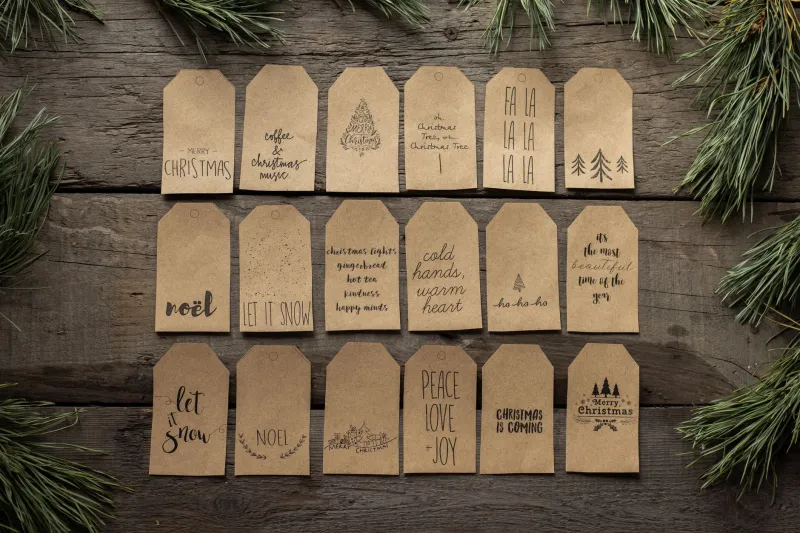
A living gift without care instructions is a setup for disappointment. Most people want to keep the plant alive — they just don't know how. A simple care card attached to the pot removes that anxiety and makes the gift feel complete.
Keep it short and friendly. Something like:
"I'm a Genovese basil! I love sun (at least 6 hours a day), warm temperatures, and a good drink of water when my soil feels dry an inch down. Pinch off my flower buds to keep me bushy and productive. Use my leaves in pasta, on pizza, or just torn over fresh tomatoes with good olive oil and salt. Enjoy!"
First-person plant voice is charming and memorable. You can also include a QR code that links to a longer growing guide if you want to go the extra mile — this works especially well for wedding favors where you're giving the same plant to many people.
Include your name and a note about where the seeds came from. If you're using heirloom seeds, mention it. People love knowing that the basil they're growing has a lineage, that someone saved and passed down these seeds for generations. It makes the gift feel like it's connected to something larger.
Making It a Tradition
The best thing about gifting plants you've grown from seed is that it scales beautifully with your own gardening practice. The more you grow, the more you have to share. Many experienced container gardeners find that gifting becomes a natural extension of their hobby — they're already starting seeds, already tending pots, and it takes relatively little extra effort to start a few extra trays with the intention of giving them away.
Over time, you build a reputation as the person who gives the best gifts. People start requesting specific plants. They report back on how the basil is doing, or that the pepper plant is finally fruiting. A living gift creates an ongoing connection in a way that almost nothing else does.
Start with one or two gifts this season. See how it feels to hand someone something you grew with your own hands, watching their face when they realize what it is. Then try to go back to giving candles.
You won't be able to.