Leave Them Out Until It's Cold: Why Five Container Crops Taste Better After a Freeze
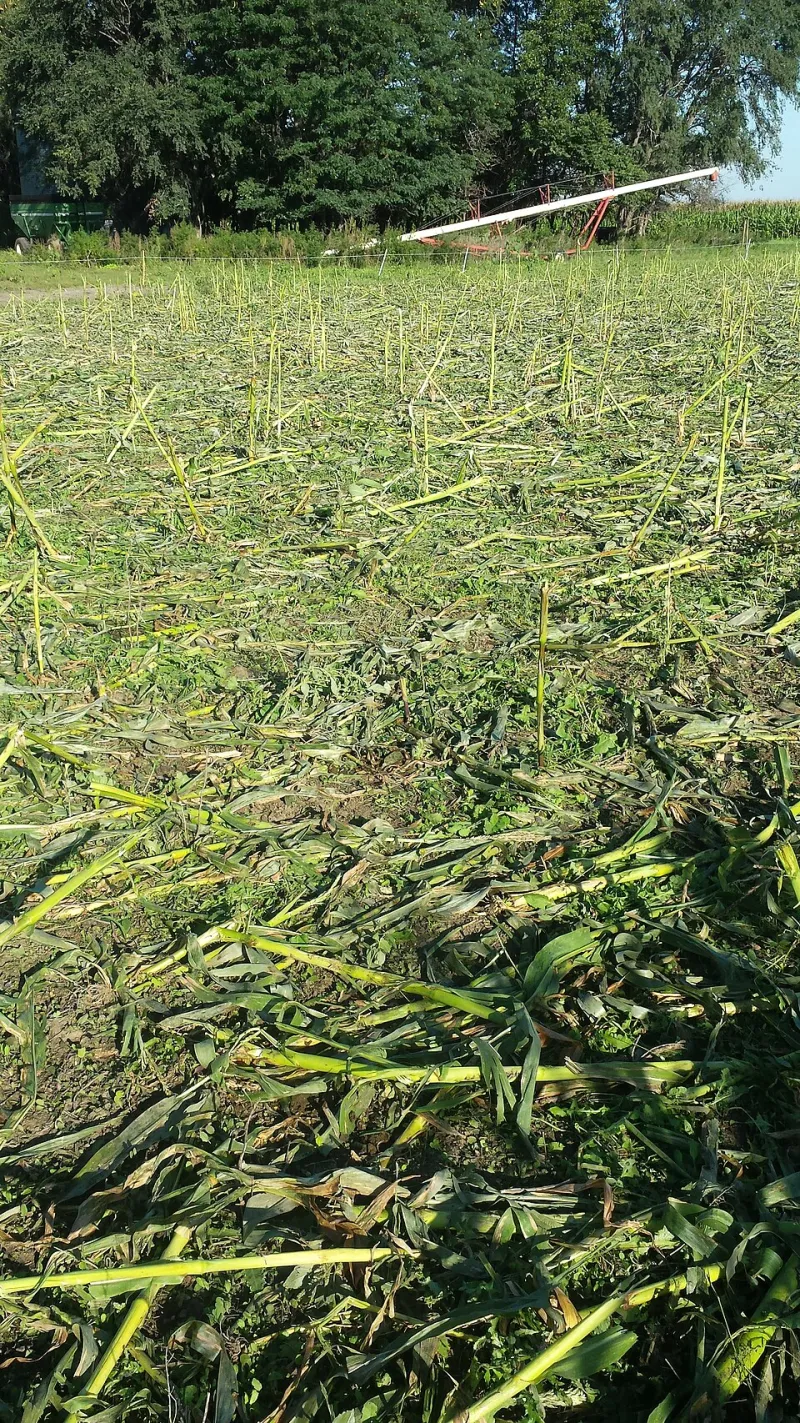
Photo: USDA NRCS South Dakota, Public domain, via Wikimedia Commons
There's a moment every late fall when a container gardener pulls a carrot, eats it standing up in the cold, and looks genuinely confused. Same seed packet. Same soil. Completely different vegetable.
That's not imagination. Cold triggers a real chemical shift inside the plant, and it's one of the few things in gardening you get for free — no fertilizer, no extra work, just weather. The trick is knowing which crops respond, how cold is cold enough, and how to keep a pot alive long enough for the change to happen.
Starch Out, Sugar In
Through the summer, a carrot is a storage organ full of starch. Come cold weather, the plant starts converting that starch into simple sugars — sucrose, glucose, fructose — and pumping them into the cells. There are two reasons. Sugar water freezes at a lower temperature than plain water, and dissolved sugars help stabilize cell membranes when ice forms around them. The plant is literally making its own antifreeze, and we get to eat it.
Cold nights slow respiration, too, so the sugars don't get burned back off as fast as they're produced. Sunny, chilly days are the sweet spot: the plant still photosynthesizes, but it stops spending.
One honest caveat — the conversion happens in the living plant. A carrot that spent the summer warm won't sweeten much sitting in your fridge. Cold storage nudges things slightly, but the plant does the real work.
Five Crops That Take the Hint
Kale
A hard frost knocks the bitterness back and pushes sugar forward. 'Lacinato' (also sold as dinosaur kale) and 'Redbor' both handle low-20s without cover. In a pot, harvest outer leaves only, always leaving at least four to six in the center, and the plant will keep producing until the soil itself freezes solid.
Carrots
Any carrot sweetens, but sturdy storage types hold best in cold, wet soil: 'Napoli', 'Bolero', 'Danvers'. Give them two or three hard frosts before you start pulling. In a deep pot — 12 inches minimum — they'll keep in place for weeks under mulch.
Parsnips
This is the crop people plant once and never shut up about. Parsnips need 100 to 120 days, so start early, then wait for frost before harvesting. Crown rot is the risk in a wet pot, so keep drainage honest and hold back on water from October on.
Brussels sprouts
Sprouts get sweeter and less sulfurous after cold, and the plants are the most frost-tolerant thing on this list — good to the low 20s. 'Jade Cross' and 'Long Island Improved' are the reliable standards. About three to four weeks before your first expected frost, pinch out the growing tip so the plant puts its energy into sizing the sprouts that already exist.
Spinach
Cold turns spinach mild and almost buttery. 'Bloomsdale' and 'Space' will over-winter in Zones 6 and up under a frost blanket. Cut outer leaves and it keeps coming back.
Pots Get Colder Than Beds — Use That
A container's root zone sits above grade, exposed on five sides instead of one. That's an advantage in November and a hazard in January. Coax the upside, guard the downside:
- Go bigger than you think. A 15-gallon pot of soil holds far more heat overnight than a 5-gallon one.
- Group pots together and shove them against a south- or southeast-facing wall. Radiant heat off brick or siding is real.
- Insulate the sides, not just the top. Straw bales, a wrap of bubble wrap, or piled leaves around the pot's exterior does more than mulch alone.
- Skip the saucer from November on. Standing water plus a freeze equals cracked ceramic and drowned roots.
- Choose frost-safe containers. Glazed ceramic and thin terracotta will spall. Wood, thick frost-proof stoneware, and fabric grow bags survive; fabric pots do freeze solid, so wrap them.
- Water before a hard freeze, not after. Hydrated tissue handles cold better than drought-stressed tissue — but never leave the pot waterlogged.
Ease Off the Nitrogen
Late-season nitrogen produces soft, sappy growth that freezes first. Switch to a low- or no-nitrogen feed by early September, or stop feeding entirely. Keep watering, just less often and less deeply.
When to Expect the Flavor Shift, by Zone
| USDA Zone | Typical first frost | Flavor shift window | How far you can push it |
|---|---|---|---|
| 3–4 | Sept 10–25 | Late Sept into Oct | Kale and spinach into November with cover; carrots under heavy mulch |
| 5 | Oct 1–15 | Mid to late Oct | Carrots and parsnips into December with insulation |
| 6 | Oct 15–31 | Late Oct into Nov | Brussels sprouts through Thanksgiving; spinach over-winters |
| 7 | Nov 1–15 | Mid-November | Most of this list stays harvestable into January |
| 8 | Nov 15–Dec 5 | Early December | Carrots and kale basically all winter |
| 9–10 | December–January, mild | Rarely a hard freeze | Chill is short; harvest after the coldest nights you get |
Harvest Without Wrecking the Plant
- Wait for a thaw, then pick at midday. Cutting frozen tissue shatters cells and shortens storage life.
- Carrots: water the pot the day before, then twist and pull. Harvest every other root and leave the rest to keep sizing.
- Parsnips: leave them in the pot under 6 inches of leaves or straw and dig as needed. Come February they turn woody, so finish them by mid-winter.
- Brussels sprouts: pick from the bottom of the stalk upward, snapping each one off. The top sprouts are the last to mature.
- Kale and spinach: always leave the growing point and a few inner leaves.
The best-tasting thing on your patio this week might be the thing you've been ignoring since August. Go pull one and see.