Plant a Decoy: The Case for One Sacrificial Pot on Every Patio
Container gardeners fight pests in a shoebox. There's no hedgerow to hide beneficials in, no fallow corner where a bug can go be someone else's problem. When aphids find a pot of peppers on a balcony, they find all of it.
So stop trying to defend everything. Plant something you're willing to lose, put it in the pests' flight path, and let them commit. This is trap cropping, and it's one of the few pest strategies that works better in containers than in a garden bed — because you can pick the decoy up and walk it to the trash.
The Argument in One Paragraph
Insects locate food by scent and color, and most of them have a clear preference ranking. Give a pest its favorite host, offered early and placed between the pest and your crop, and it will land there instead. Then you remove the plant — with the pests still on it — before they finish a generation and spread. Your harvest pot stays clean, you never touch a sprayer, and the whole thing costs about three dollars in seed.
The catch is discipline. A trap crop left in place past the point of infestation is not a trap. It's a nursery.
Three Decoys and What They Actually Catch
| Trap crop | Target pest | Pot size | Where it goes |
|---|---|---|---|
| Nasturtium | Aphids (especially black aphid on peppers) | 3–5 gal | Upwind edge, 2–3 feet from harvest pots |
| Dill | Tomato and tobacco hornworm; also draws parasitic wasps | 3–5 gal | Near tomatoes, not touching |
| Radish (daikon or oilseed type) | Flea beetles on brassicas | 3–5 gal, or sow direct | Ground level, nearest the lawn or weedy border |
Nasturtium: the aphid sponge
Aphids adore nasturtium more than they adore your peppers, and that's the whole trick. Sow it two to three weeks before you set out your main crop so it's already lush and pumping out scent when the first aphids blow in. The trailing types are ideal — they spill over the pot and make an easy landing pad.
Check the undersides of leaves twice a week. You're looking for two things: colony size, and whether any of the aphids have wings. Winged aphids are the signal that the colony is overcrowded and about to disperse. That's your pull date.
Dill: hornworm bait and a wasp hotel
Dill does double duty. Hornworm moths work at dusk and follow plant volatiles; a dill pot near the tomatoes pulls some of that attention away. More importantly, dill flowers feed the tiny parasitic wasps that hunt hornworms — the ones that leave those white rice-grain cocoons on a caterpillar's back. Let some dill bolt on purpose. That's not neglect, that's infrastructure.
Check dill for hornworms in the evening with a flashlight. Pick them off by hand and drop them in soapy water, or feed them to the chickens if you have them.
Radish: the flea beetle sacrifice
Flea beetles chew pinhead-sized shot holes in brassica leaves and can skeletonize a young kale plant in a week. They also vastly prefer radish. Sow radish seed thickly in an edge pot, or direct-seed a row at the base of the pot nearest your lawn, weeds, or whatever the beetles overwintered in.
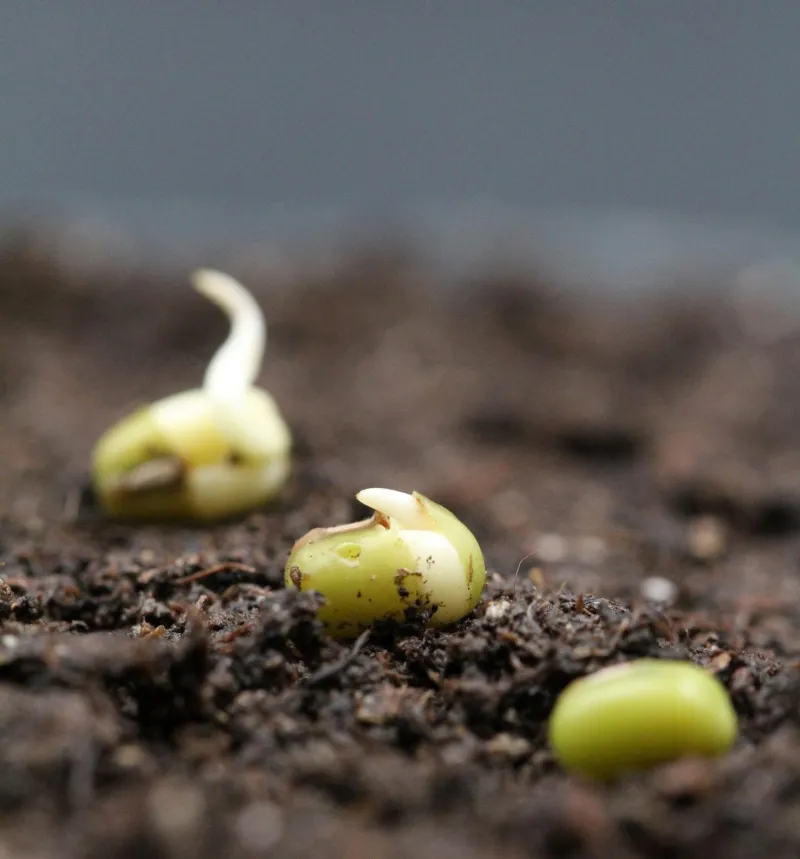
The advantage of radish is speed — it germinates in days and gives you a wide, tender leaf surface exactly when flea beetles emerge in spring. The disadvantage is that it's also fast to bolt, so plan on reseeding every three weeks through early summer.
Placement Is the Whole Ballgame
Put the decoy between the pest and the prize. Not next to it. Between it.
- Aphids blow in on wind — set nasturtium on the upwind side, a couple of feet from the harvest pot. Close enough to intercept, far enough that aphids don't walk across.
- Flea beetles jump and crawl from ground level — radish goes low, right at the edge nearest the infestation source.
- Hornworm moths fly and lay eggs directly on foliage — dill sits just upwind of the tomato, close but not touching, so the canopies don't merge into one bridge.
- Never let the trap pot touch your harvest pot. Overlapping leaves turn a decoy into a corridor.
Keep the trap crop well watered and slightly overfed. You want it soft and delicious. That feels wrong, and it is the point.
The Rule That Makes This Work: Pull Early
A trap crop you don't destroy is just a pest farm with good branding.
- Aphids: pull when colonies are dense and you spot your first winged individuals — or when the underside of half the leaves is coated.
- Flea beetles: pull when the shot-hole damage gets heavy but before the radish flowers and sets seed, since bolting radish sends beetles looking for a new host.
- Hornworms: handpick. If you find more than a handful on a small dill pot, that pot has done its job — bag it.
When you pull, seal the plant in a trash bag and put it in the municipal bin. Do not compost it. Do not shake it out over the garden. Do not let it go to seed, and do not save seed from a trap plant that hosted pests — you'll just be selecting for the pests' favorite food.
Refresh on a Schedule
Set out the first decoys two to three weeks before you transplant your main crop. Replace them every three to four weeks through the season, because a trap crop that's past its prime stops producing the volatiles that do the luring. Mid-July, sow a second round — many pests run a second generation right when your fall brassicas are going in.
What Trap Cropping Won't Do
It won't fix a cramped, soggy pot, and it won't stop fungus gnats, which breed in wet potting mix — that's a job for mosquito dunks and letting the top inch dry out. It won't rescue a plant that's already overwhelmed. And it works best as one part of a plan that includes decent airflow, honest spacing, and a willingness to squish things.
But as a first line of defense on a patio, one sacrificial pot is about the best return on three dollars you'll find.