Before You Buy Another Packet: The Late-Fall Seed Audit That Saves Spring
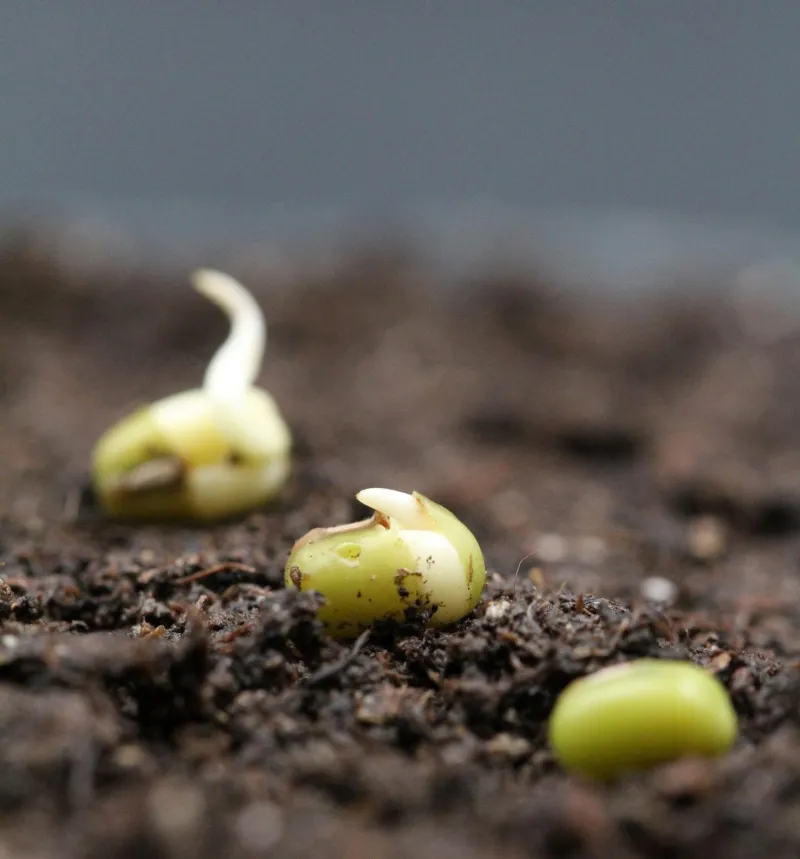
Photo: seed packets spread on table with paper towel germination test and mason jar, via scx2.b-cdn.net
Every gardener has a seed drawer with a past. There is the half-empty tomato packet from the year you swore you would grow twelve plants. There is the fancy lettuce blend you bought because the photo looked like a Dutch still life. There is a rubber-banded stack of envelopes with handwriting you cannot quite read. November is the right time to deal with all of it.
The plants are done, the pots are settling in, and spring is far enough away that you can be honest. A seed audit is not glamorous. It is, however, one of the cheapest gardening moves you can make. You will stop buying duplicates, you will stop sowing dead seed, and you will go into spring knowing what you actually have.
Dump the Drawer, Not Your Standards
Start by emptying everything onto a table. Sort into three piles: keep, test, and toss. Packets with a clear label and a recent year go in the keep pile. Mystery packets, torn envelopes, and anything older than its expected viability go in the test pile. Packets that are damp, moldy, or full of dead insects go in the toss pile. Do not romanticize a soggy envelope. It is not a heritage artifact.
Use a pencil to write the year on every packet you keep. If you are feeling ambitious, add a note about where you bought it and whether it performed well. Future you will not remember that the cherry tomato was from the farmers market seed swap. Future you will be grateful for the note.
The Paper-Towel Test That Tells the Truth
You do not need a laboratory to find out if old seed still germinates. Count out ten seeds from a packet. Fold them into a damp, not dripping, paper towel. Slide the towel into a labeled zipper bag and put it somewhere warm, roughly 65 to 75 degrees Fahrenheit. Check every day or two. Once you see a white root tip emerge, the seed has germinated.
After seven to fourteen days, count how many sprouted. Ten out of ten is excellent. Eight or nine is fine. Five to seven means the packet is tired but usable if you sow more thickly. Two or three means you should not build your spring plan around it. Zero means compost.
The percentage matters more than a simple pass or fail. If a lettuce packet tests at 50 percent, you can still grow lettuce. You just need to sow twice as many seeds as you normally would and plan to thin. If a tomato packet tests at 90 percent, treat it like fresh seed.
Which Seeds Are Savers and Which Are Renters
Some seeds hold their viability for years. Others are basically annual purchases. Tomatoes, peppers, beans, squash, cucumbers, and brassicas often keep for three to five years or more when stored well. Lettuce and spinach are usually good for two to three years. Carrots, onions, parsley, and parsnips are the short-timers. Parsnips and onions are especially quick to fade. If you are planning a fall or spring crop of either, buy fresh.
Heirloom or open-pollinated status does not automatically make a seed long-lived, and hybrid status does not automatically make it short-lived. Storage conditions matter more than the label. Pelleted seed and primed seed tend to have shorter shelf lives than raw seed. Treat those packets as use-it-or-lose-it.
Store Them Like You Mean It
The enemy is heat, humidity, and light. A closed mason jar in a cool closet is better than a cardboard box on a sunny shelf. Add a small silica packet if you have one. Keep the jar away from the refrigerator door, where temperature swings cause condensation. If you use the freezer, seal the seeds in an airtight container first and let the container come to room temperature before you open it. Otherwise, moisture will condense right onto the seeds.
Label the jar with the year and the contents. A big jar of unidentified envelopes is just a drawer in a nicer outfit. If you have room, sort by crop type: tomatoes in one bag, greens in another, roots in another. It makes spring sowing faster and stops you from buying a third packet of the same kale.
Adjusting Spring Sowing for Tired Seed
When germination is below 70 percent, do not pretend the packet is fresh. Sow more thickly, mark the row or pot clearly, and give the seeds steady warmth. Do not drown them. Old seed has less energy to push through wet, heavy mix. A little bottom heat can help. Wait to fertilize until the seedlings have true leaves.
For direct-sown crops like carrots and radishes, mix old seed with a little sand or use radish seeds as row markers. Thin aggressively if too much comes up. For transplanted crops, sow two or three seeds per cell and snip the extras. The goal is a good stand, not perfect math.
A Twenty-Minute November Ritual
Do the audit now, while the garden is quiet. Make a list of what you need to buy and what you can safely use up. Tape the list inside your seed jar. When spring catalogs arrive, you will shop with a plan instead of a feeling. At All Pot Seeds, we like a seed drawer that tells the truth. A little work in November makes for a much calmer spring.