Growing a Garden That Outlasts You: How to Build a Container Setup the Next Generation Will Actually Keep
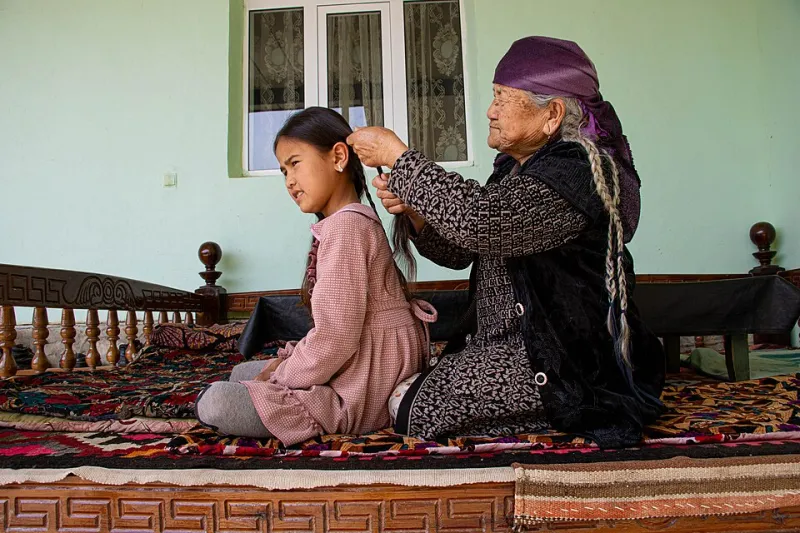
Photo: Sinchalak Musulmon, CC BY-SA 4.0, via Wikimedia Commons
Most container gardens are deeply personal. You know which pot drains a little slow. You know the tomato on the south-facing corner needs water a day earlier than everything else. You know the basil bolts fast once the heat hits and you need to pinch it back hard. That knowledge lives in your head, and when you're gone — whether you're moving, passing the garden to a family member, or just planning ahead — it goes with you.
But it doesn't have to work that way.
A container garden can be designed from the start to be inheritable. Not just the physical pots and plants, but the logic behind them — the why behind every choice, simple enough that someone with zero experience can step in and keep things alive and productive. If that sounds like a lot of work upfront, it is. But the payoff is a garden that keeps growing long after you're done tending it yourself.
Start With Pots That Will Actually Last
Plastic pots are cheap and lightweight, but they don't age well. UV exposure makes them brittle. They crack, fade, and generally look sad within a few years. If you're building a garden meant to be passed down, invest in containers that hold up.
Thick-walled terracotta, glazed ceramic, or high-quality fiberglass pots are worth the upfront cost if longevity is the goal. Fabric grow bags are excellent for root health but have a shorter lifespan — fine for annual crops, but not the backbone of a permanent setup.
For the core containers — the ones that will anchor the garden for years — look for pots with drainage holes that won't clog easily, walls thick enough to buffer temperature swings, and sizes large enough to accommodate a range of plants. A 15-gallon container is more versatile than a 6-inch pot, and versatility matters when someone else is making planting decisions.
Label the pots. Not with a marker that fades in a season, but with a metal or engraved tag that says what the pot is best for, what size plant it supports, and how often it typically needs water. That's the kind of information that saves a new gardener from a dozen early mistakes.
Choose Varieties That Perform Reliably, Season After Season
This is where seed selection becomes a genuine act of generosity toward whoever comes next.
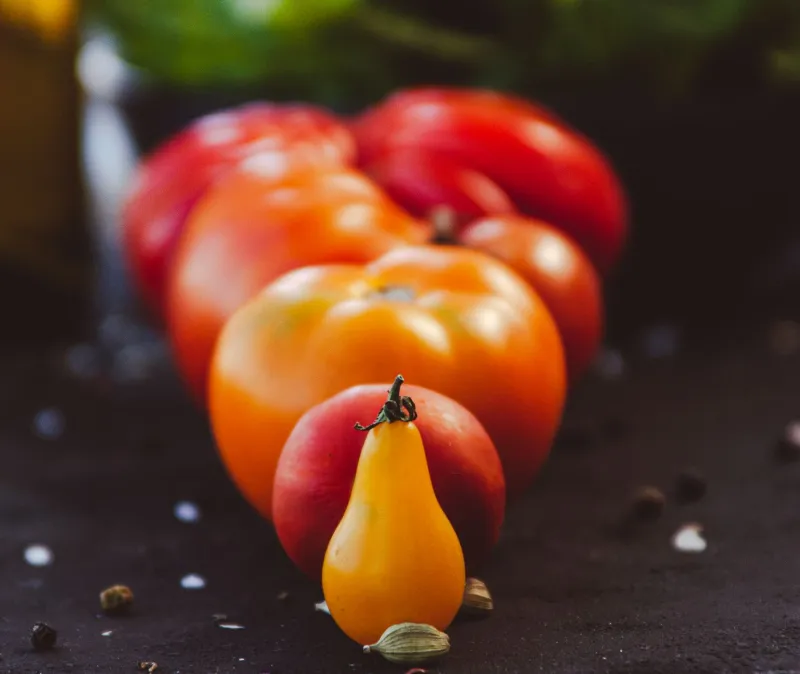
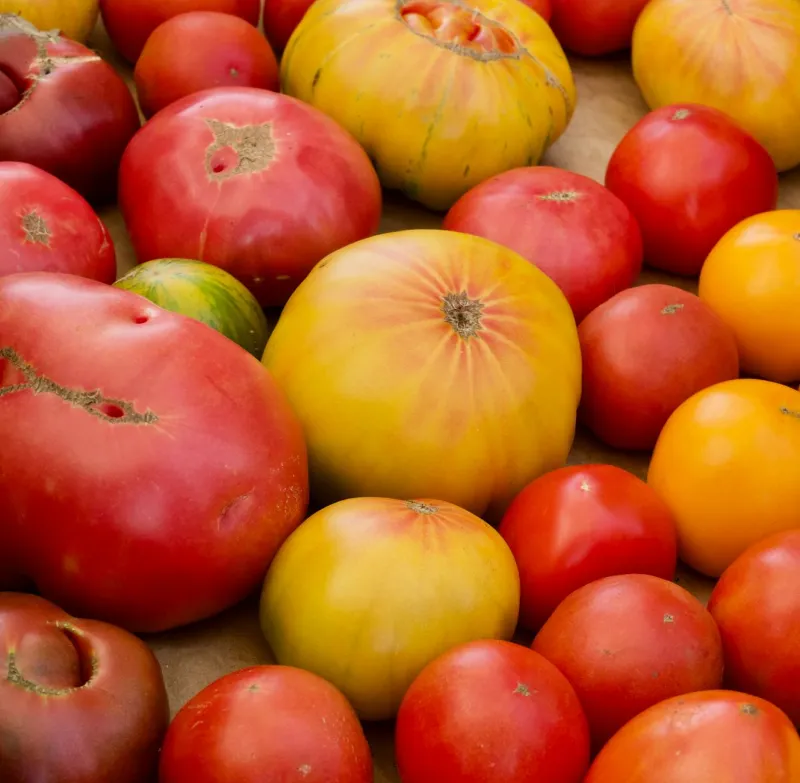
Hybrid seeds often produce spectacular results, but they don't breed true — meaning if the next gardener tries to save seeds and replant, they won't get the same plant. For an inheritable garden, heirloom and open-pollinated varieties are the smarter foundation.
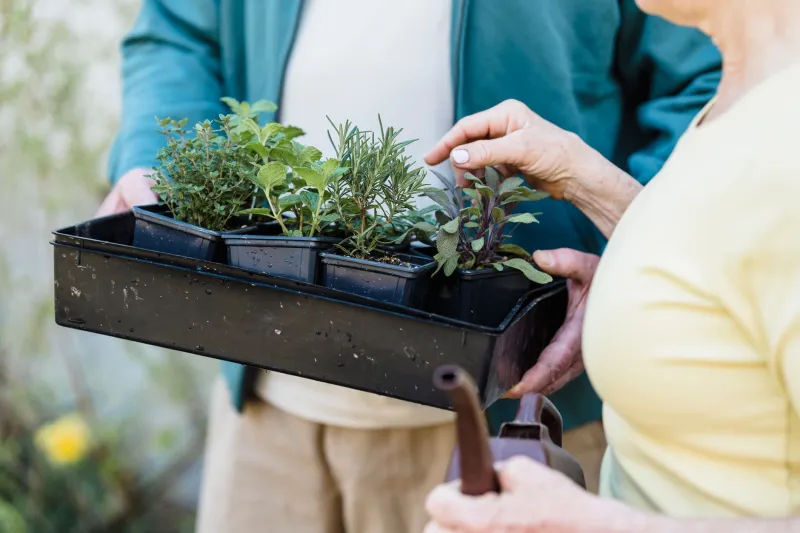
Look for varieties with a long track record of container performance. Herbs like 'Genovese' basil, 'French Thyme', and 'Fernleaf' dill are reliable producers that anyone can grow successfully. For vegetables, compact heirlooms like 'Tumbling Tom' tomatoes, 'Jimmy Nardello' peppers, and 'Spacemaster' cucumbers consistently deliver in pots without requiring intensive management.
The bonus of heirloom varieties in an inherited garden: the next gardener can save seeds from their own harvest and replant the following year. That creates continuity — the same plants, the same flavors, the same genetic story running through every season. Over time, those seeds adapt slightly to your specific microclimate, becoming even more reliable. That's something worth passing down.
Include a small seed-saving kit with your garden handoff — paper envelopes, a fine-tip marker, and instructions for which plants are worth saving from and how to do it. A laminated one-page guide is worth more than a detailed notebook nobody will read.
Build a Documentation System That Actually Gets Used
Here's the hard truth about garden documentation: most of it never gets read. A thick binder of notes, a complicated spreadsheet, a journal with your seasonal observations — these are valuable to you and completely overwhelming to someone who just wants to know when to water.
Design your documentation for the person who knows nothing, not for the person who knows everything.
A simple approach that works: create a laminated card for each pot or growing zone. Front side has the plant name, watering frequency, and when to harvest. Back side has what to do when something looks wrong — yellowing leaves, no fruit, pests. That's it. Keep it short enough to read in thirty seconds.
For the bigger picture, a single-page seasonal calendar — what to plant when, what to expect in terms of harvest timing, what to do when the season ends — gives a new gardener enough structure to get through a full year without calling you for help every week.
If you want to go further, record a short video walking through the garden and explaining each pot. A ten-minute phone video stored in a shared folder is more useful than any written document for someone who learns visually.
Make the First Season Easy on Purpose
The biggest risk with an inherited garden isn't that the new gardener will kill everything. It's that they'll get overwhelmed and just stop.
Design the garden's first handoff season to be as low-stakes as possible. Before you pass it along, replant with forgiving varieties — herbs are ideal, since they tolerate irregular watering and bounce back from mistakes. Skip anything that requires precise timing or careful monitoring.
Leave the garden in good condition: fresh potting mix or a solid mid-season refresh, clean pots, no pests or diseases to deal with right away. A new gardener who walks into a healthy, manageable setup is far more likely to stick with it than one who inherits a struggling garden that immediately needs troubleshooting.
Consider leaving behind a small stock of seeds — three or four varieties that you know perform well in your specific setup. Seeing seeds germinate and grow is what turns a reluctant caretaker into a committed gardener. Give them that experience early.
The Garden as Family Story
There's something worth naming here that goes beyond the practical.
An heirloom tomato that your grandmother grew in a pot on her Chicago apartment balcony, whose seeds you saved and replanted every year, and whose seeds you're now passing to your daughter — that's not just a plant. It's a thread connecting people across time through something as simple and immediate as a meal.
Container gardens are intimate in a way that in-ground gardens sometimes aren't. They live on porches, balconies, kitchen windowsills. They're part of daily life in a way that a backyard bed isn't. That intimacy makes them worth preserving.
Build yours like it matters. Because if you do it right, it will keep growing long after the season you planted it.