Small Pot, Big Taste: How Picking the Right Seed Variety Crushes Everything Else You Could Do for Your Garden
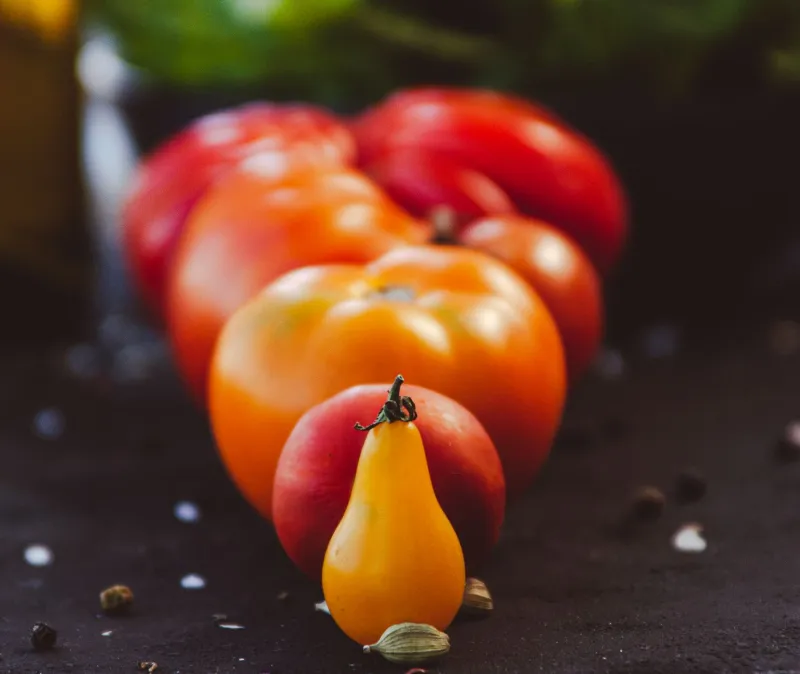
Here's a scenario that probably sounds familiar. You spend a whole season carefully tending your container tomatoes — perfect watering schedule, premium potting mix, the right-sized pot — and at the end of it, you bite into a tomato that tastes like a slightly warmer version of what you'd find at the grocery store. Disappointing doesn't even cover it.
The frustrating truth? You might have done everything right except the one thing that mattered most: choosing a variety that was actually bred for flavor.
Seed selection is the most underrated decision in home gardening. It happens before you touch a single trowel, and it determines your ceiling — no matter how skilled or attentive you are as a grower. A mediocre variety grown perfectly will still produce mediocre food. But a flavor-forward variety grown in a modest pot on a city balcony? That's where the magic lives.
What Actually Makes Food Taste Like Something
Flavor in fruits, vegetables, and herbs isn't random. It's the result of specific chemical compounds — volatile aromatics, sugars, acids, and phenolic compounds — that accumulate in plant tissue as it grows and matures. Different varieties of the same crop produce wildly different concentrations of these compounds, and that difference is almost entirely genetic.
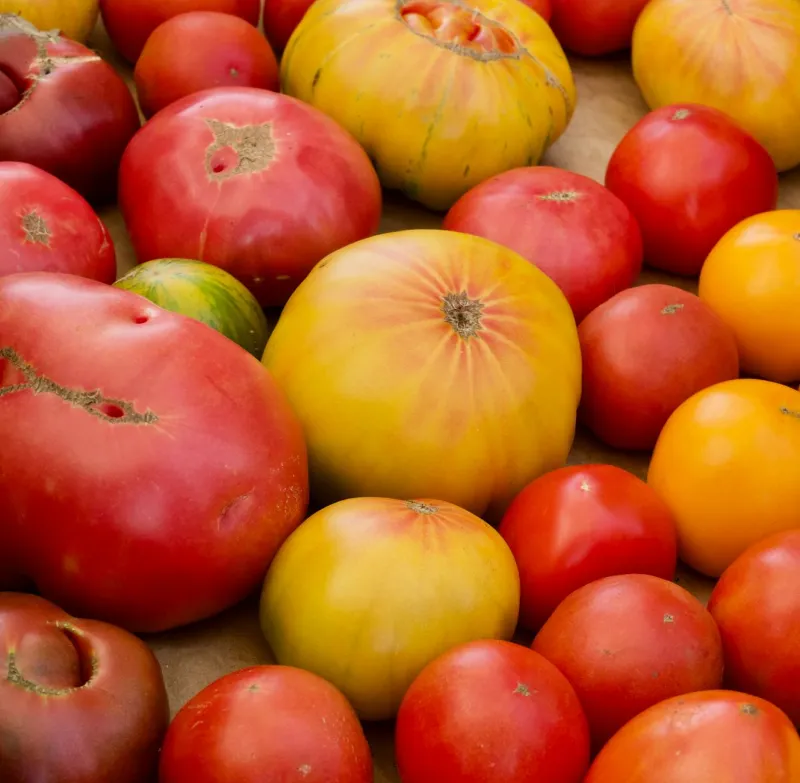
Take tomatoes. The varieties bred for commercial production are optimized for shelf life, uniform appearance, and shipping durability. Flavor is genuinely secondary in that equation. The compounds responsible for that rich, complex tomato taste — things like geranylacetone, beta-ionone, and various glutamates — are often present in much lower concentrations in commercial cultivars than in older or specialty varieties.
Heirloom and open-pollinated varieties, by contrast, were selected over generations specifically because they tasted extraordinary. Nobody was saving seeds from a bland tomato in 1920. That selective pressure built flavor compounds directly into the genetics.
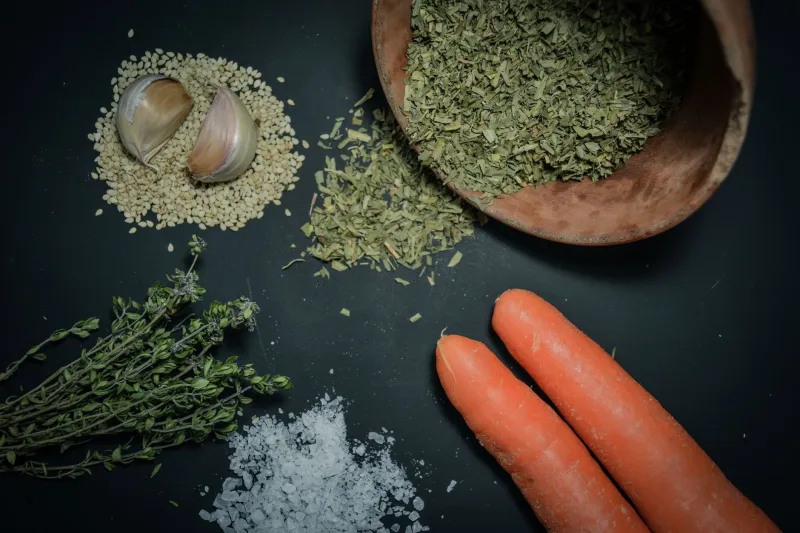
The same logic applies to herbs. A Thai basil variety carries significantly different essential oil profiles than Italian sweet basil. A lemon thyme has a completely different aromatic fingerprint than common thyme. These aren't just aesthetic differences — they translate directly to how your food tastes when you cook with them.
Decoding Seed Packet Descriptions Like a Pro
Seed packets and catalog descriptions are actually packed with flavor clues once you know what to look for. Most gardeners skim past the marketing language, but there's real signal buried in there.
Look for specific flavor descriptors over vague ones. "Delicious" tells you nothing. "Rich, wine-forward flavor with low acidity" tells you a lot. Specificity in a seed description usually means the breeder or seed company actually grew and tasted the variety carefully enough to characterize it.
Pay attention to Brix ratings when listed. Brix is a measure of dissolved sugar content, and higher Brix often correlates with more complex flavor in fruiting crops. Some seed catalogs list Brix values for tomatoes, melons, and peppers — when you see that data, use it.
Check the origin and lineage. Varieties with documented regional heritage — a pepper from Oaxaca, a tomato from the Ozarks, a melon from the Midwest — were often developed in specific microclimates and culinary traditions where flavor was the whole point. That provenance matters.
Watch for terms like "high volatile content" or "intense aroma" in herb descriptions. These signal high concentrations of the essential oils responsible for flavor, which is exactly what you want when you're growing herbs for cooking.
Note the days to maturity. Longer-maturing varieties often (not always) develop more complex flavor because they have more time to accumulate sugars and aromatic compounds. Fast-maturing varieties are convenient, but flavor sometimes takes a back seat.
Building Your Flavor-First Container Garden
You don't need a lot of space to grow something extraordinary. What you need is intentionality. Here's a framework for putting together a small container setup that delivers serious culinary impact.
Start with one anchor crop and go deep on variety selection. Pick the ingredient you cook with most — tomatoes, peppers, basil, whatever — and spend real time researching variety options before you buy anything. Read reviews from other home growers, not just catalog copy. Forums, seed swap communities, and gardening Facebook groups are goldmines for honest variety feedback.
Prioritize varieties that aren't available at grocery stores. This is where container gardening becomes genuinely irreplaceable. If you can buy it at Whole Foods, growing it yourself is satisfying but not transformative. If you're growing a Mortgage Lifter tomato, a Fish pepper, or a Genovese basil with true DOP heritage, you're accessing flavor that simply isn't available through commercial channels.
Think in flavor profiles, not just plants. A container garden built around a specific cuisine or flavor direction will be more useful and more satisfying than a random assortment of whatever looked good at the garden center. If you cook a lot of Mexican food, build around poblanos, tomatillos, and epazote. If you're into Italian cooking, go deep on San Marzano-type tomatoes, Genovese basil, and flat-leaf parsley. Coherence in your selections means every pot contributes to something bigger.
Don't overlook the supporting cast. Flavor-forward herbs and aromatics can do more for your cooking than any single vegetable. A pot of properly grown French tarragon, a container of lovage, or a well-tended lemon verbena plant can transform your kitchen even if it's the only thing you grow all season.
The Compounding Returns of Variety Knowledge
Here's something nobody tells beginner gardeners: the more you pay attention to variety selection, the faster your results improve. Every season you grow a specific variety, you learn something — how it performs in your specific conditions, what it tastes like at different stages of maturity, whether it's worth saving seeds from. That knowledge compounds.
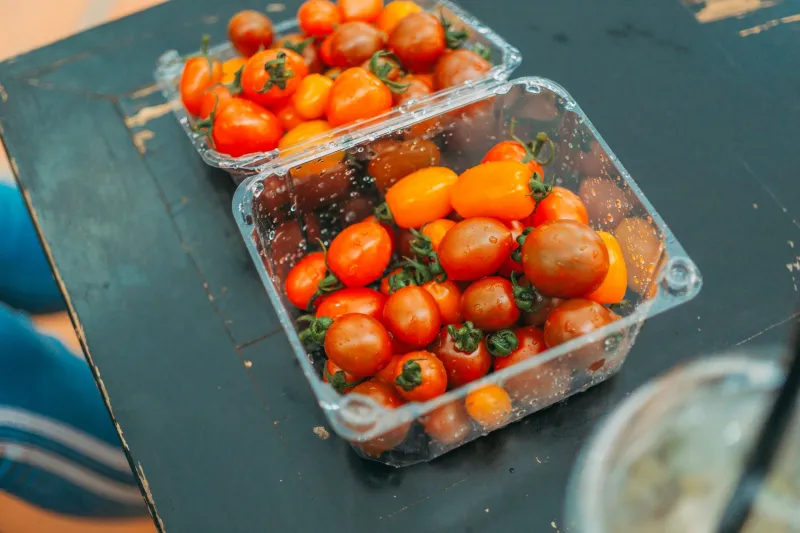
Gardeners who've been doing this for a few years often have strong opinions about specific variety names. They'll tell you that Sungold cherry tomatoes are worth the extra trouble, that Shishito peppers are more consistent than Padron for container growing, that Spicy Globe basil holds its flavor longer in hot weather than standard sweet basil. That's the kind of granular, flavor-focused knowledge that comes from prioritizing variety selection from the start.
Saving seeds accelerates this process dramatically. When you save seeds from the best-performing, best-tasting plants in your container garden, you're essentially running your own micro breeding program. Over several generations, you can develop a strain that's genuinely adapted to your specific growing conditions and your specific palate.
The Bottom Line
A 10-gallon pot with the right variety will consistently outperform a raised bed full of the wrong ones. Flavor lives in the genetics, and genetics start with the seed. Before you spend another dollar on fertilizer, another hour researching grow lights, or another weekend rearranging your patio layout — spend that time on your seed selection.
That's where the real return on investment lives. And honestly? It's the most fun part of the whole process.