Cook First, Then Plant: How to Choose Seeds That Actually Match the Way You Eat
Here's a question most seed catalogs never ask you: What did you cook for dinner last Tuesday?
Because honestly, that's where your seed selection should start. Not with what's on sale, not with what has the prettiest illustration on the packet, and definitely not with whatever got the most five-star reviews from people who live in a completely different climate and cook totally different food than you do.
If you're growing in containers—which is exactly what we're about here at All Pot Seeds—you've got limited real estate. Every pot counts. So filling that space with a variety that looks gorgeous but doesn't actually fit the way you cook is a quiet kind of waste. Let's fix that.
The Problem With Growing by Aesthetics Alone
Seed marketing is good. Really good. Those deep purple tomatoes and striped heirloom peppers are genuinely beautiful, and it makes total sense that you'd want them on your patio. But beauty and culinary utility don't always overlap.
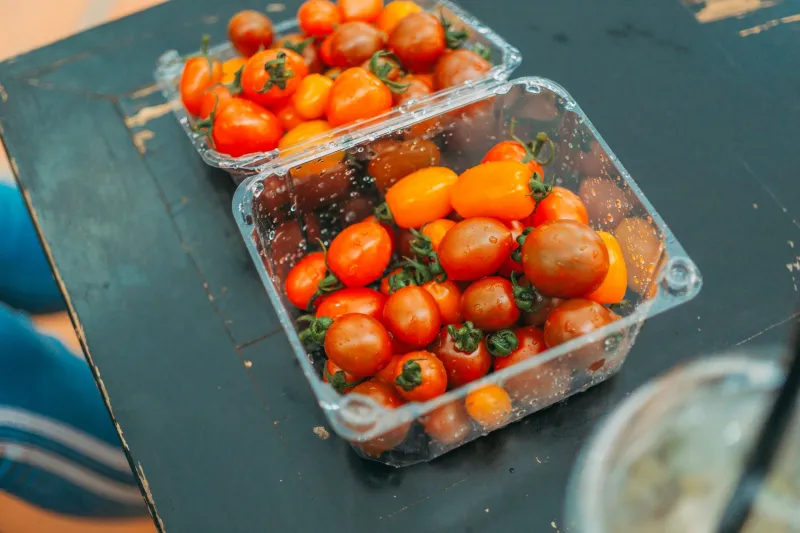
Take tomatoes as an example. A Brandywine looks stunning and tastes incredible fresh off the vine, but if you're primarily a sauce maker, its high water content and thin skin make it a frustrating choice for reducing down into a rich marinara. You'd be better off with a paste variety like Amish Paste or San Marzano Redorta—neither of which gets the same glossy catalog treatment, but both of which will absolutely transform your Sunday sauce game.
The same logic applies across every category of edible plant. Flavor compounds, texture, moisture content, acidity, heat level—these things matter enormously in the kitchen, and they vary wildly between varieties of the same species.
Figure Out Your Kitchen Identity First
Before you open a single seed catalog, spend five minutes thinking honestly about how you actually cook. Not how you want to cook someday, but what you're actually making week in and week out.
Are you someone who builds most meals around fresh herbs and olive oil? Do you reach for fish sauce and ginger more than anything else? Is your weeknight default a big pot of chili or a quick stir-fry? Do you meal prep on Sundays, or do you cook spontaneously and need things that hold up in the fridge?
Your answers shape everything.
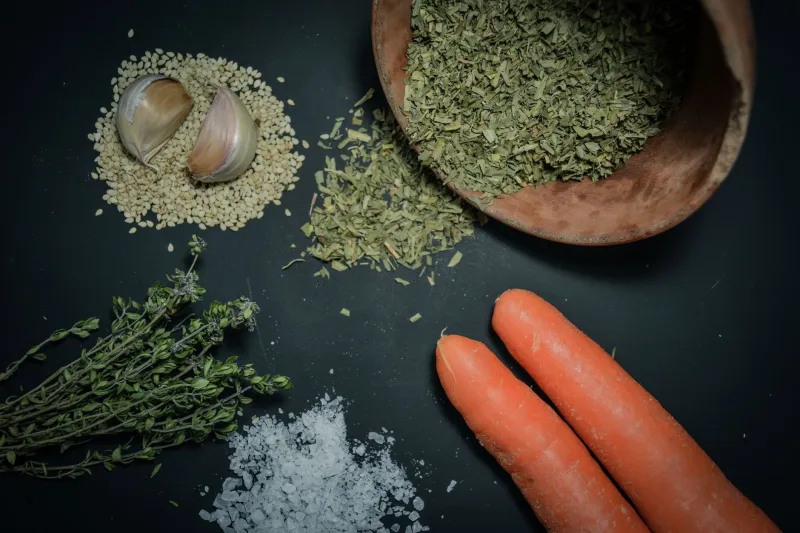
If you cook Mediterranean food regularly, your container garden should lean into high-oil herbs like Greek oregano (way more pungent than the common Italian variety), Genovese basil, flat-leaf Italian parsley, and a compact thyme like 'Doone Valley.' For tomatoes, look at Principe Borghese—a small, dense Italian heirloom that dries beautifully and concentrates into an insanely flavorful paste. Toss in a Pepperoncini pepper plant and you've got a full Mediterranean pantry on your back porch.
If Asian cuisines are your wheelhouse, the variety list shifts completely. Vietnamese coriander (rau răm) has a sharper, more complex flavor than standard cilantro and handles heat better in the pot. Shiso—both red and green—is criminally underused in American home gardens and adds something no store-bought herb can replicate to everything from rice bowls to cocktails. Thai basil, with its anise-forward flavor, holds up in high-heat cooking in a way that regular sweet basil simply doesn't. And if you're growing peppers, Thai Bird's Eye chiles bring a clean, piercing heat that's different from any Latin variety.
Salsa and Mexican cooking enthusiasts should be building around tomatillos (yes, they work in large containers), Anaheim or Poblano peppers for roasting, and cilantro varieties that are slow to bolt—like 'Leisure' or 'Calypso'—because nothing derails a fresh salsa faster than cilantro that's already flowering and turning bitter by mid-July.
Think in Flavor Compounds, Not Just Categories
This is where it gets a little nerdy, but stick with us—it's genuinely useful.
Different varieties of the same plant produce meaningfully different concentrations of flavor compounds. Basil is the clearest example. Sweet basil is dominated by linalool and eugenol, which give it that classic Italian sweetness. Thai basil has higher levels of estragole, producing that distinctly anise-like character. Lemon basil is loaded with citral, making it bright and citrusy in a way that pairs beautifully with seafood.
These aren't subtle differences. They're the difference between a dish that sings and one that just... sits there.
Same deal with peppers. Capsaicin levels are the obvious variable, but peppers also differ in fruity esters, smokiness, and even a compound called dihydrocapsaicin that creates a slower, longer-lasting burn compared to the sharp front-of-mouth heat from standard capsaicin. A Mulato Isleno pepper has a deep, chocolatey smokiness that a Jalapeño never will. If you're making mole, that matters.
Lesser-Known Varieties Worth Growing in Containers
Once you start thinking variety selection through a culinary lens, a whole world of underrated options opens up.
- Tolli's Sweet Italian Pepper — Thin-walled, almost no heat, and intensely sweet when roasted. Compact enough for a 12-inch pot and incredible on pizza or in antipasto.
- Windowbox Red Tomato — Bred specifically for container growing, produces small but genuinely flavorful fruit that works great halved in salads or roasted.
- Spilanthes (Toothache Plant) — Sounds weird, tastes electric. Used in Southeast Asian cooking for its buzzing, numbing quality. A single plant in a 6-inch pot is all you need, and it's a conversation starter at any dinner party.
- Perilla (Korean Sesame Leaf) — A different species from Japanese shiso but equally versatile. Wraps around grilled meat, works in kimchi, and grows vigorously in a container with moderate sun.
- Aji Amarillo — A Peruvian yellow pepper that's foundational to Peruvian cooking. Fruity, floral, medium heat. Nearly impossible to find fresh in US grocery stores, but it grows well in a large pot with plenty of sun.
Build Your Garden Like You'd Build a Pantry
Here's the mindset shift that makes all of this click: stop thinking about your container garden as a garden and start thinking about it as a curated ingredient collection.
A good pantry isn't random. It reflects how you cook. It has depth in the areas that matter to you and doesn't waste shelf space on things you'll never reach for. Your container garden should work exactly the same way.
If you make a lot of Thai food, grow Thai basil, lemongrass in a big pot, galangal if you can find the rhizomes, and Bird's Eye chiles. If you're a barbecue person, grow smoked pepper varieties, fresh thyme for rubs, and maybe a compact rosemary plant that'll overwinter on your porch. If you bake, grow culinary lavender, lemon verbena, and a few edible nasturtiums for garnish.
Every pot should earn its place based on what you'll actually use.
One Last Thing Before You Order Seeds
Write down three dishes you make constantly. Then ask yourself: what fresh ingredient in those dishes would taste significantly better if I grew it myself instead of buying it? Start there. That's your seed list.
The prettiest packet in the catalog isn't always the right one. But the variety that makes Tuesday night dinner genuinely better? That one's worth every inch of patio space you've got.