Hidden Gems in Every Pot: The Obscure Heirloom Varieties That Blow Farmers Market Finds Out of the Water
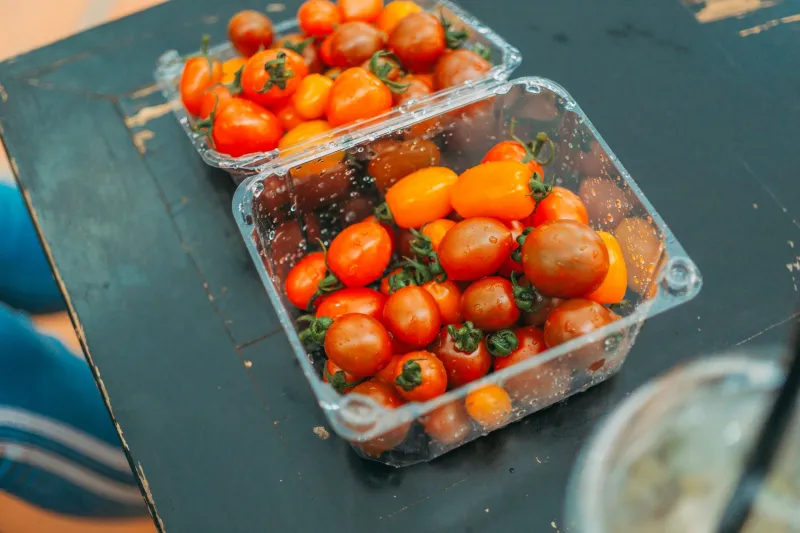
You've done the farmers market rounds. You've paid the premium for the heirloom tomatoes, the fancy basil, the fingerling potatoes with the hand-lettered sign. And yeah — they're good. Better than the grocery store, for sure. But here's the thing nobody at that Saturday market booth is going to tell you: some of the most extraordinary-tasting vegetables and herbs on the planet never make it to market at all.
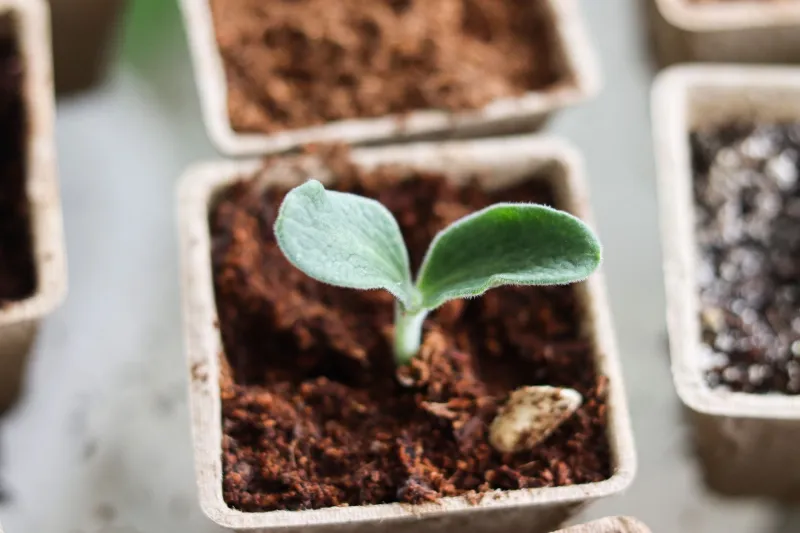
They live in seed libraries. In the catalogs of small specialty suppliers. In the gardens of obsessive home growers who've been quietly passing seeds down through generations. And with a pot, some decent soil, and a little patience, you can grow them yourself.
Let's talk about why these obscure varieties taste so different — and which ones are worth hunting down.
Why Rare Cultivars Often Out-Flavor the Popular Ones
Here's a quick piece of flavor science that changes how you think about seeds. Modern commercial varieties — even the "heirloom" ones sold at big box stores — are typically selected for a combination of yield, shelf life, disease resistance, and visual uniformity. Flavor is often a secondary consideration, because flavor doesn't ship well and it doesn't photograph as cleanly as a perfectly round, blemish-free tomato.
Older, rarer cultivars were selected under entirely different pressures. Before refrigerated transport and industrial agriculture, a variety survived because it tasted good enough that someone saved its seeds and grew it again next year. Full stop. That's a brutal but honest flavor filter, and it ran for hundreds — sometimes thousands — of years.
The result? Many obscure heirlooms have dramatically higher concentrations of volatile aromatic compounds, natural sugars, and acids that create what food scientists call "flavor complexity." In plain English: they taste like something. Like, actually taste like something.
The other factor is what growers call "terroir" — the influence of your specific soil, microclimate, and growing conditions on the final flavor of the plant. Commercial growers flatten terroir out of the equation. When you grow in a pot on your own patio, you're putting it back in. Rare varieties, especially ones that haven't been hybridized into uniformity, tend to express terroir more vividly.
The Short List: Seven Varieties Worth Tracking Down
1. Mortgage Lifter Tomato
Okay, this one you might have heard of — but most gardeners still haven't grown it. Developed in the 1930s by a West Virginia man named Radiator Charlie, who literally paid off his mortgage selling plants of this variety, it produces massive, meaty, low-acid tomatoes with a flavor that sits somewhere between sweet and savory in a way that's almost unsettling. It grows beautifully in a large 15-gallon container with strong support. The fruit can hit two pounds, which means you don't need many plants to feel very, very rich.
2. Jimmy Nardello Sweet Pepper
This Italian heirloom is named after the man who carried its seeds from Basilicata to Connecticut in 1887. It's a thin-walled frying pepper with almost no heat and an intensely sweet, fruity flavor that deepens when sautéed in olive oil. You will not find this at a farmers market with any regularity. It's fragile, it doesn't ship, and it looks nothing like the blocky bell peppers that stores want. In a 5-gallon pot in full sun, it's wildly productive and frankly one of the most delicious things you can grow.
3. Dragon Tongue Bean
A Dutch heirloom bush bean with yellow pods streaked in purple — it looks like something from a fantasy novel and tastes the way a green bean is supposed to taste before modern varieties had the flavor bred out of them. Buttery, slightly nutty, with a tender snap. Grows fast in containers, doesn't need staking, and matures in about 55 days. The purple streaks disappear when cooked, which is either disappointing or a fun party trick, depending on your outlook.
4. Lemon Drop Pepper (Ají Amarillo)
This Peruvian heirloom is a cornerstone of South American cooking and almost completely absent from US grocery stores. It brings a fruity, citrusy heat — somewhere around 15,000–30,000 Scoville units — with a flavor complexity that jalapeños simply don't have. It thrives in containers, loves heat, and produces prolifically in pots as small as 3 gallons. If you've ever wondered what's making certain Peruvian dishes taste so distinct, this is usually a big part of the answer.
5. Chioggia Beet
An Italian heirloom that's been grown since the 1840s, the Chioggia beet has red-and-white candy-striped flesh that looks stunning raw and tastes notably sweeter and less earthy than the standard red beets you'd find at the store. It grows well in deep containers (at least 12 inches) and matures in about 55 days. Raw in a salad with goat cheese, it's genuinely restaurant-caliber.
6. Speckled Amish Lettuce
Most container gardeners default to Buttercrunch or a generic mesclun mix. Speckled Amish — an heirloom loose-leaf variety with beautiful red-speckled green leaves — has a richness and subtle bitterness that makes grocery store lettuce taste like wet paper by comparison. It's incredibly cold-tolerant, making it a great choice for early spring and fall container growing, and it bolts more slowly than many other varieties when temperatures rise.
7. Tiger Tom Tomato
A lesser-known heirloom with orange-red striped skin and an almost tropical sweetness, Tiger Tom is compact enough to thrive in a 5-gallon container without the sprawling habit of larger indeterminate varieties. The flavor is intensely sweet with just enough acid to keep things interesting — the kind of tomato you eat standing over the sink with a little salt and nothing else. It's genuinely hard to find in stores and even at most farmers markets, which makes growing your own the only real option.
Where to Actually Find These Seeds
This is where the hunt gets real. Your local garden center probably stocks approximately zero of these. What you're looking for are specialty seed suppliers — small operations that prioritize genetic diversity and flavor over commercial viability. Look for suppliers that are members of the Seed Savers Exchange, or browse their own catalog directly at seedsavers.org. Baker Creek Heirloom Seeds (rareseeds.com) is another excellent source, especially for international heirlooms like the Jimmy Nardello pepper and Ají Amarillo.
For truly obscure finds, regional seed libraries and seed swaps are worth exploring. Many public libraries now run seed lending programs, and regional gardening groups on social media often organize swaps where you can trade saved seeds with other growers. That's how a lot of the rarest varieties stay alive — not through commerce, but through community.
Growing Tips for Container Success
Most of these varieties were developed long before anyone thought about container gardening, so a few adaptations help. Go bigger on pot size than you think you need — most vegetables want more root space than a standard pot provides. Use a high-quality potting mix amended with compost, and don't skip fertilizing; containers leach nutrients faster than in-ground beds. Consistent watering matters more with rare varieties because stress can cause them to bolt, drop fruit, or lose the flavor complexity you're growing them for in the first place.
The payoff, though? It's real. There's a particular satisfaction in eating something that almost nobody else is eating — something with a history, a story, and a flavor that no amount of money at the farmers market can reliably buy you. That's the whole point of growing your own, and rare heirlooms are where that point gets sharpest.