Same Packet, Wildly Different Tomatoes: The Hidden Genetics Behind Your Garden's Flavor Surprises
You planted two Cherokee Purple tomatoes in side-by-side containers on your back deck. Same potting mix, same watering schedule, same afternoon sun. Come harvest time, one of them tastes like something you'd pay twelve dollars a pound for at a specialty market. The other one is... fine. Just fine. Nothing special.
What gives?
This is one of the most common — and most fascinating — mysteries in home gardening, and it happens with herbs, peppers, lettuces, and pretty much anything you grow from open-pollinated or heirloom seed. The short answer is genetics. The longer answer is a whole lot more interesting.
Open-Pollinated Seeds Are Not Clones
Here's something a lot of gardeners don't fully appreciate when they tear open a seed packet: those seeds are not genetically identical copies of each other. Hybrid seeds (the F1 varieties you see in big-box stores) are bred specifically to produce uniform plants, but open-pollinated and heirloom seeds carry natural genetic diversity within the variety.
That diversity is actually the whole point. It's what allowed these varieties to survive and adapt across generations without human intervention. A population of heirloom tomato plants isn't a single genetic profile — it's more like a family, with shared traits and a lot of individual variation underneath the surface.
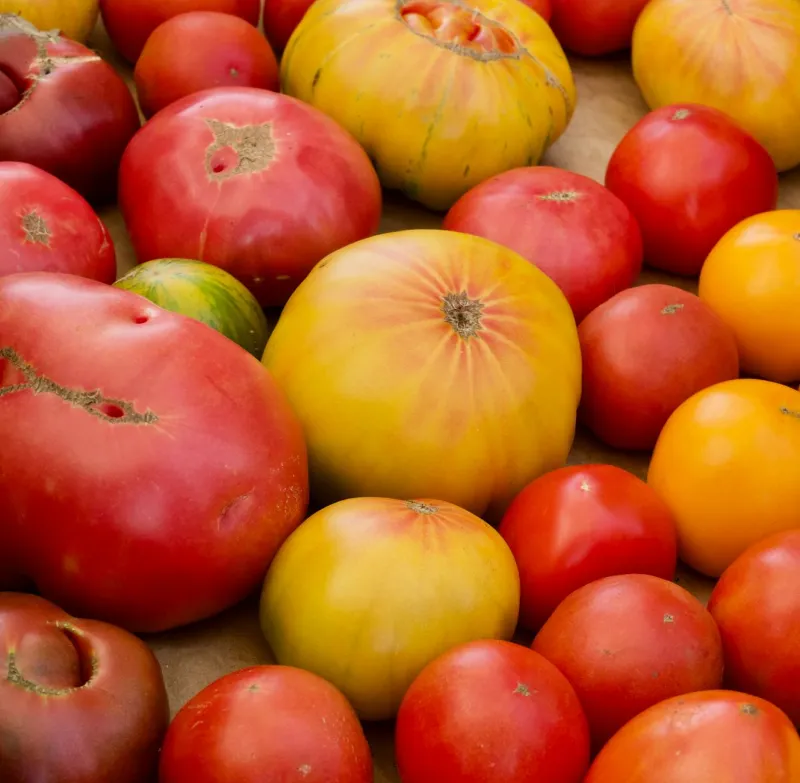
Some of that variation shows up visibly: slightly different leaf shapes, varying fruit sizes, different ripening times. But a lot of it plays out in ways you can only detect when you bite into the fruit. Sugar content, acid balance, aromatic compounds, texture — all of these can vary from plant to plant, even within the same named variety.
Why Flavor Varies So Much (And What Controls It)
Flavor in vegetables and herbs isn't a single trait. It's a combination of dozens of compounds — sugars, acids, volatile aromatics, tannins — each influenced by different genes. When you grow a population of open-pollinated plants, you're essentially running a small-scale genetic lottery every time.
Some plants in that population will express more of the genes associated with high sugar production. Others might carry alleles that ramp up the volatile compounds responsible for that complex, almost wine-like depth you get in a really exceptional heirloom tomato. Still others might lean toward higher acidity, which reads as bright and fresh rather than rich and complex.
Environmental factors layer on top of this. Container growing actually amplifies genetic expression in interesting ways — because you have more control over soil composition, moisture, and root space, the genetic differences between plants become more apparent rather than being masked by inconsistent field conditions. Your pots are basically a controlled experiment running in your backyard.
How to Spot the Standout Performers in Your Container Garden
This is where seed saving gets genuinely exciting. Once you understand that your container garden is a population of genetically diverse individuals, you can start selecting for the traits you actually care about.
Start by tasting everything with intention. Don't just grab a tomato and eat it over the sink. Taste fruit from each plant separately and take notes — even rough ones on your phone. What you're looking for are the plants that consistently produce something exceptional: deeper flavor, better texture, more aromatic punch, longer shelf life after harvest.
Pay attention to timing too. Some plants in a variety will ripen earlier or later than their siblings. If you're growing in containers and you want a longer harvest window, an early-ripening outlier is worth noting. If you're in a hot climate and you need plants that hold their flavor even when temperatures spike, look for which individuals in your collection are still producing great-tasting fruit when the others have gone bitter or mealy.
Mark your standouts. A simple piece of garden tape with a marker works fine. You want to know exactly which plant produced those seeds before harvest time arrives.
Saving Seeds from Your Best Plants
Once you've identified your flavor champions, saving seed from them is how you start building something genuinely your own. Over multiple seasons of selecting and saving from your best performers, you'll gradually shift the genetic profile of your seed stock toward the traits you value most.
For tomatoes, the process is simple: scoop the seeds from a fully ripe fruit, ferment them in a small jar of water for two to three days to remove the gel coating, rinse thoroughly, and dry completely on a paper plate before storing. For herbs like basil or cilantro, let a few plants bolt and collect the dried seed heads before they scatter.
The key rule: only save from open-pollinated or heirloom varieties. Saving seeds from hybrid plants is a dead end — the offspring won't reliably carry the parent's traits, and you'll end up with unpredictable results that don't reflect the plant you loved.
Also keep isolation in mind. If you're growing multiple varieties of the same species in close proximity — say, two different pepper varieties in neighboring pots on your patio — there's a chance they've cross-pollinated. Seeds saved from those plants might produce something interesting or something disappointing. If consistency matters to you, either grow one variety at a time or look up the isolation distances for whatever you're growing.
Building Your Own Seed Lineage, One Container at a Time
This is the part of seed saving that most people don't talk about enough: you're not just preserving a variety when you save seeds from your best plants. You're actively shaping it.
Gardeners have been doing this for thousands of years — selecting for the sweetest melon, the most flavorful pepper, the herb with the strongest scent — and that's exactly how most of the heirloom varieties we grow today came to be. The Cherokee Purple tomato you're growing didn't emerge from a laboratory. It came from generations of someone doing exactly what you can do right now: growing a population of plants, tasting everything, saving seeds from the best ones, and repeating.
Your container garden, even if it's just a few pots on an apartment balcony, is a legitimate breeding ground. The genetic diversity in those seed packets isn't a flaw — it's an invitation.
So next time you notice that one basil plant smells significantly more complex than the others, or one pepper plant produces fruit with noticeably more heat and depth, don't just enjoy it and move on. Mark it. Save its seeds. Grow them again next season and see what comes up. You might be a few generations away from something genuinely exceptional — a flavor profile that's entirely yours, grown one pot at a time.